

What are the cost factors involved in powder coating aluminium?
The cost of powder coating aluminium is mainly determined by the part’s size and complexity, the preparation required, the powder finish selected, batch quantity, masking requirements and collection or delivery arrangements. A quotation should therefore be based on the component’s dimensions, condition, specification and production volume rather than a standard price alone.
The cost of powder coating aluminium is made up of the coating material, preparation and processing work needed to produce a consistent, durable finish. For an accurate assessment, a coater also needs to consider the aluminium alloy, component design, required coating specification, production method, inspection standard and any additional handling or packaging.
Aluminium grade and component condition can affect the work involved before coating begins. Extrusions, sheet components and castings may require different preparation. Cast aluminium can contain pores or residues that release gas during curing, potentially causing pinholing or surface defects. Previously coated, painted, anodised or contaminated parts may also need more extensive treatment than clean, untreated aluminium. The cost is therefore influenced not only by the visible condition of a part, but by the preparation necessary to achieve a suitable coating surface.
Part geometry affects processing efficiency. Deep recesses, narrow channels, sharp internal corners and areas that are difficult to reach can require careful gun positioning or additional handling. Components must also be positioned so that they can be cleaned, coated and cured without damaging the finish. A simple flat panel may use the production equipment more efficiently than a three-dimensional assembly with restricted access, even where their overall dimensions are similar.
Hanging and jigging requirements are another aluminium-specific consideration. Parts need secure electrical contact during electrostatic application, while the contact point may need to be concealed, trimmed or touched up afterwards. Unusual shapes may require dedicated hooks, frames or alternative loading arrangements. If a part has few suitable contact points, it may need extra care during loading and unloading, adding handling time to the quotation.
The performance specification can change the price. A decorative indoor finish generally has different material and testing requirements from a coating intended for external exposure, chemical contact, abrasion or electrical insulation. The required colour, gloss level, texture and surface appearance can affect powder consumption, application settings and quality-control checks. Special performance requirements should be stated before quotation because they may require a particular powder chemistry, film build or curing schedule.
Curing can introduce further processing costs. The oven must bring the coating to its specified metal temperature for the required period. Thick aluminium sections and assemblies with substantial thermal mass may need a different loading pattern or longer process control than lightweight parts. Parts that combine different thicknesses can also require careful attention to ensure that the coating cures correctly across the whole component without affecting dimensional tolerances or heat-sensitive fittings.
Colour changes and production sequencing may influence the final charge. Changing between powders requires cleaning and setting adjustments to prevent contamination between colours or finishes. Where several components share one specification, processing them together can reduce duplicated setup work. Conversely, a small run requiring a separate colour, gloss level or special finish may carry more setup cost in proportion to the number of parts.
Quality requirements should be matched to the application. Inspection may include visual checks, coating thickness measurements, adhesion testing or examination of masking and contact areas. Tighter cosmetic tolerances, defined film-build limits and documented inspection records require more control than a basic visual approval. If the finished component will be assembled with another part, allowable coating thickness on mating surfaces, threads, bores and slots should be identified in the specification.
Packaging and post-coating handling can also form part of the price. Finished aluminium is vulnerable to scratching, rubbing and impact before installation, particularly where components have prominent edges or large visible faces. Individual wrapping, separators, protective films, special stacking or returnable packaging may require additional materials and labour. The required presentation should be agreed before work starts rather than treated as an afterthought.
When comparing quotations, businesses should check that each price is based on the same assumptions. Useful information to provide includes:
- the aluminium alloy and whether the parts are new, previously finished or contaminated;
- drawings, photographs or representative samples showing dimensions, geometry and critical surfaces;
- the required colour, gloss, texture, durability and any technical coating standard;
- areas to be masked, left uncoated or protected from powder;
- permitted coating thickness and tolerances on threads, bores, joints and mating faces;
- the number of parts, repeat order pattern and preferred packing arrangement; and
- any inspection records, testing or traceability requirements.
A low apparent price may not represent the lowest overall cost if it excludes preparation, masking, testing, protective packaging or the treatment of difficult areas. The most useful quotation separates the main assumptions and identifies any items that could change after inspection. For aluminium components, supplying complete technical information and explaining the required end use gives the coater a sound basis for pricing the actual process rather than applying a generic rate.
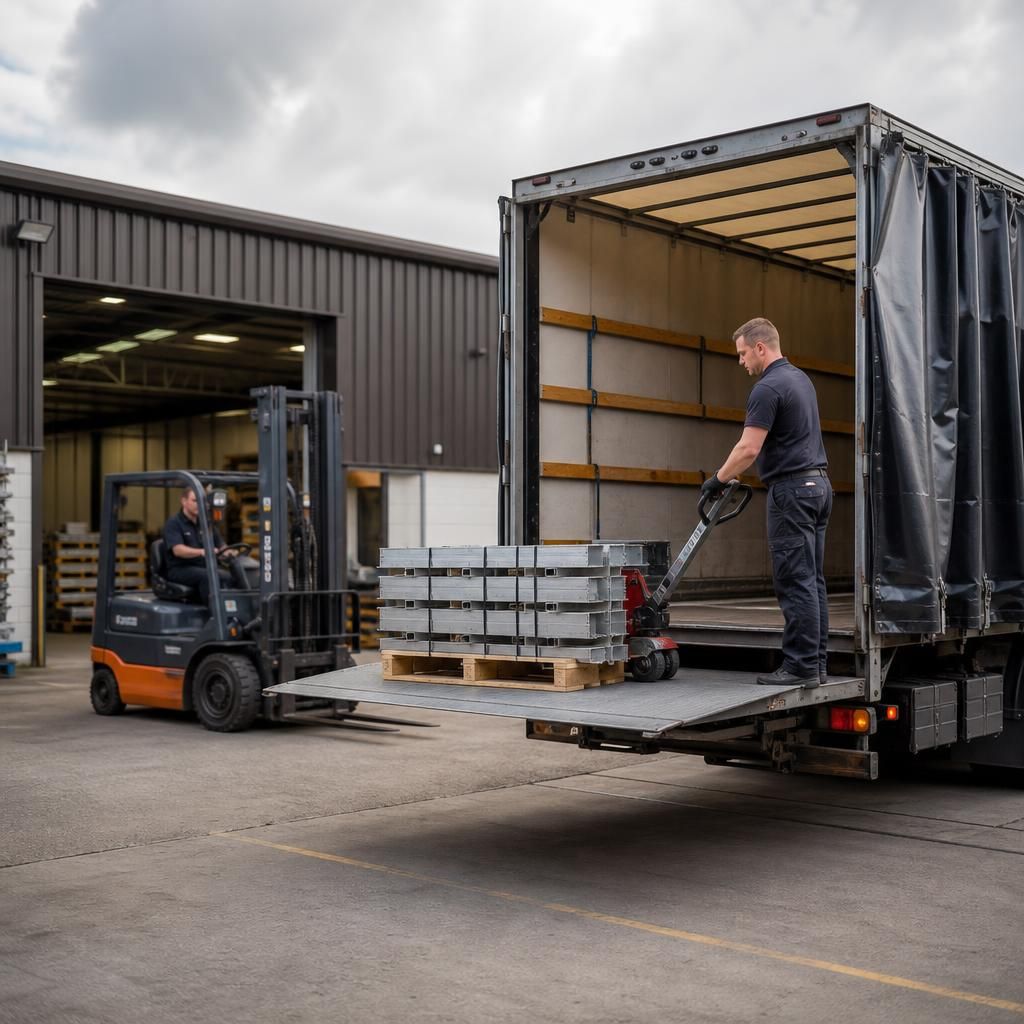
Collection and delivery arrangements can form a separate part of the powder coating aluminium cost. Charges may be affected by the distance involved, the dimensions and weight of the load, the number of transport movements required and any special handling needed to keep finished components secure.
Transport should be considered alongside the coating price rather than added afterwards. Providing the coater with the collection location, approximate load details and delivery requirements allows the quotation to reflect the complete service and helps avoid unexpected handling or carriage costs.