

How do special coatings like nylon affect the overall cost of powder coated aluminium?
Specialist nylon coatings usually increase the cost of powder coated aluminium because they require different coating materials, application controls and curing conditions from standard polyester powders. The final price depends on the nylon specification, required film thickness, component design, surface preparation and batch size, balanced against the additional wear, impact or chemical resistance the coating provides.
Specialist nylon affects the cost of powder coated aluminium mainly by adding process stages and tighter specification requirements beyond a standard decorative finish. The price is therefore influenced not only by the powder itself, but also by how the aluminium is prepared, coated, inspected and handled to achieve the required performance.
Powder consumption is a key cost consideration. Nylon coatings are often selected where a more substantial protective layer is required. A thicker coating uses more material and may require additional control during application to maintain an even finish across edges, recesses and broad flat areas. Complex components can also produce more overspray or require slower handling, increasing the amount of coating work associated with each part.
The coating specification must be matched to the intended service. Nylon is not a single, universal finish. The required grade and finish characteristics may vary according to whether the aluminium will face abrasion, impact, friction, moisture, chemicals or repeated handling. A specification based on performance testing, colour, texture, gloss or film build can affect both material selection and the amount of inspection required. A coating intended for a demanding industrial environment will normally need a more carefully defined specification than one chosen for appearance alone.
Preparation can add to the quoted price. Aluminium surfaces may require cleaning, removal of existing coatings, treatment of oxidation and other preparation before the nylon can be applied reliably. Any oil, residue, corrosion or incompatible previous finish can affect adhesion and may require extra preparation or rework. Where components arrive with mixed conditions, the preparation time may vary between parts rather than being a simple repeatable operation.
Component design also affects the economics of nylon coating. Deep recesses, narrow sections, sharp edges, threaded areas and adjoining materials can require special handling or masking. Parts may need plugs, caps or other temporary protection to keep coating away from tolerances, contact faces and fixing points. These tasks are priced according to the access, quantity and precision involved, not simply the overall dimensions of the aluminium component.
Application and curing requirements can influence production efficiency. Some nylon processes use different application methods from a conventional spray finish, with the selected method depending on the component, coating specification and required film build. Parts may need careful positioning, preheating or controlled curing, followed by cooling and handling that avoids marking the newly applied surface. If a job cannot be processed alongside more straightforward work, the additional set-up and handling can increase the coating charge.
Batch size matters because set-up costs are spread across the parts. A small quantity may carry a higher cost per component when preparation, masking, colour or material set-up and inspection are divided across only a few items. Larger, consistent batches generally make it easier to repeat the same process, although the total order value will still depend on the amount of aluminium, the coating specification and any required testing. Mixed batches may need separate preparation or process settings, reducing this efficiency.
When comparing a nylon finish with a standard powder coating, assess the full requirement rather than comparing material prices alone. A nylon coating may be justified where its resistance characteristics reduce damage, wear or maintenance during the component’s working life. It may not offer good value where the aluminium only needs a conventional decorative or general-purpose finish. The correct comparison should consider:
- the performance requirement and expected exposure;
- the specified coating grade, colour, texture and film thickness;
- surface condition and the preparation needed before coating;
- masking, plugging and protection of uncoated areas;
- the component’s dimensions, geometry and handling requirements;
- the number of parts and whether they can be processed as a consistent batch;
- inspection, sample approval or performance testing requirements; and
- collection, delivery and any packaging needed to prevent damage after coating.
For an accurate comparison, a coating enquiry should include drawings or clear dimensions, the aluminium grade where relevant, the required nylon specification, areas that must remain uncoated, the expected operating conditions and the batch quantity. Photographs of existing finishes or surface contamination can also help identify preparation issues before a price is produced. This gives the coater enough information to separate the cost of the nylon material from preparation, application, finishing and handling.
The most suitable option is therefore the one that meets the required duty without paying for performance that the component does not need. Nylon can carry a higher initial coating cost, but its value should be judged against the conditions the aluminium will encounter and the consequences of premature surface damage or coating failure.
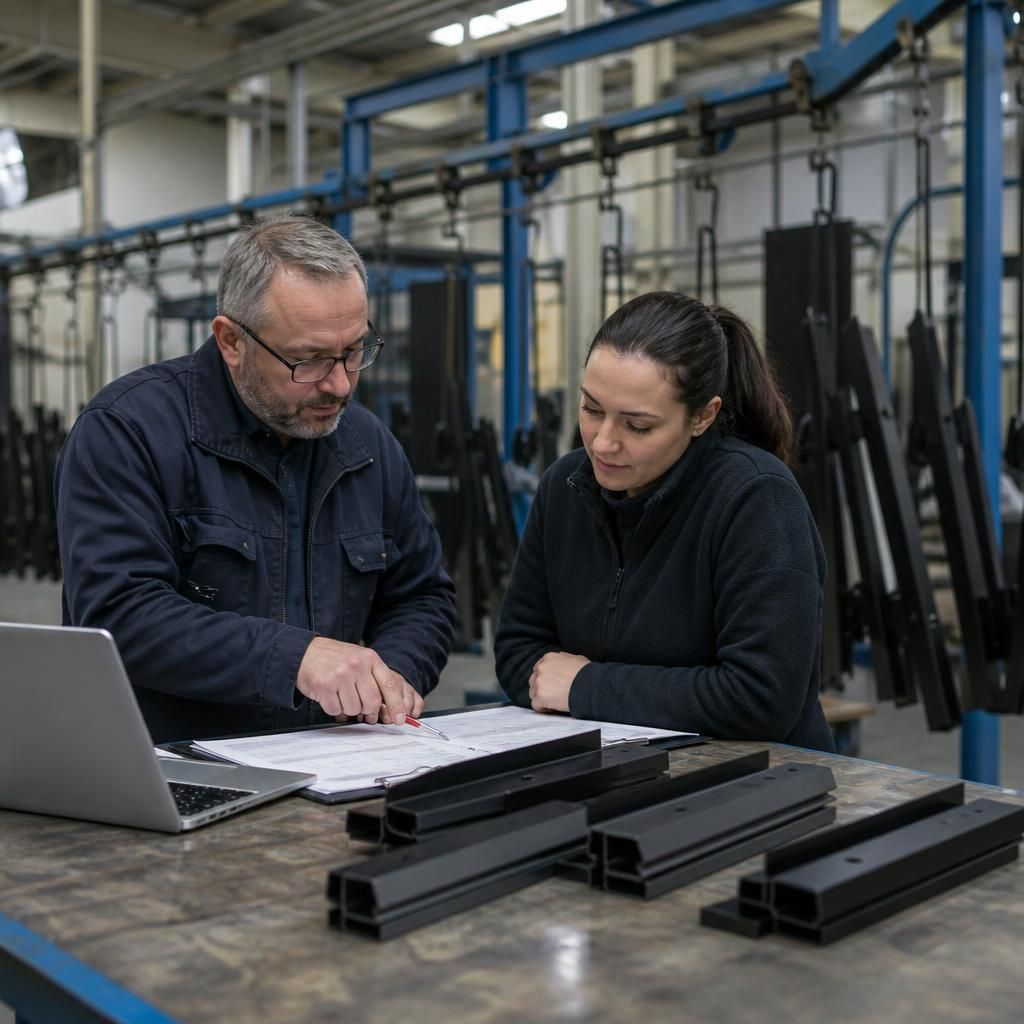
The cost of a nylon-coated aluminium component is easier to assess when one-off preparation and recurring production costs are separated. Drawing review, sample approval or process development may apply to the initial job, while material use, coating time and finishing form the repeat cost for subsequent batches.
This distinction is useful when comparing suppliers or planning repeat orders. A higher first quotation may include work needed to establish the correct coating process, whereas later orders with the same specification may require less initial preparation. Ask for the quotation to identify these elements, along with any charges for testing, packaging or special handling, so the price can be assessed against the actual production requirement.