

What materials can be best protected using nylon and specialised aluminium coatings?
Nylon coatings are well suited to steel, aluminium and other fabricated metal components that need a tough, insulating barrier against abrasion, impact, moisture and chemical contact. Specialised aluminium coatings are particularly appropriate for steel and iron parts requiring reflective, corrosion-resistant protection, including components exposed to weather or elevated operating temperatures.
The best materials for nylon and specialised aluminium coatings are manufactured metal substrates whose service conditions demand more than a decorative finish. Nylon is generally suited to components requiring a resilient, low-friction or electrically insulating surface, while specialised aluminium coatings are better matched to ferrous parts where resistance to oxidation, weathering or heat reflection is a priority. The correct choice depends on the base metal, operating environment, part geometry and required coating thickness.
Carbon steel and mild steel are among the most common substrates for both coating types. Nylon can protect brackets, guards, housings, rollers, frames and handling components where repeated contact, impact or rubbing could damage an uncoated surface. It is also useful where the coating must separate the metal electrically from another component. Specialised aluminium coatings can be appropriate for steel parts exposed to outdoor conditions, industrial atmospheres or elevated temperatures, provided the formulation and curing method are suitable for the application.
Cast iron can also benefit from these coatings, particularly for heavy components with irregular profiles. Nylon may help protect cast surfaces against moisture, abrasion and contact damage, but the casting must be properly cleaned and prepared. Porosity, embedded machining debris and outgassing can create pinholes or surface defects during curing. Aluminium-based protective finishes may suit cast iron where corrosion protection is needed without adding a thick polymer layer, subject to the condition and intended use of the casting.
Aluminium and aluminium alloys are potential substrates for nylon when the part needs improved wear resistance, a softer contact surface or electrical separation. Aluminium conducts heat efficiently, so the coating process must account for how quickly the component heats and cools. Oxide formation and contamination can also affect adhesion. Pre-treatment, masking and controlled curing are therefore important, especially on thin sections, machined faces and components with tight dimensional tolerances.
Specialised aluminium coatings can also be used on aluminium-based parts where the purpose is to provide a compatible protective or reflective finish rather than simply to change the colour. The proposed system should be checked for compatibility with the alloy, any existing conversion layer and the operating temperature. Aluminium alloys vary considerably in their composition and surface behaviour, so a coating suitable for one grade should not automatically be assumed suitable for another.
Stainless steel may be coated where the component needs additional wear protection, altered friction characteristics, colour coding or electrical insulation. Nylon is often considered for these purposes, although the naturally passive surface of stainless steel makes preparation especially important. The coating specification should identify the required level of adhesion and whether the finish must withstand cleaning chemicals, repeated handling or contact with other metals.
Zinc-coated and galvanised steel can sometimes receive nylon or aluminium-based finishes, but the existing zinc layer must be treated as part of the coating system. Excessive surface roughness, loose corrosion products, trapped moisture and gases from the zinc surface can compromise the result. The specification should make clear whether the zinc is to remain visible, be lightly prepared or receive a complete overcoat, as each option affects preparation and final appearance.
Copper and copper alloys may be suitable for nylon where electrical isolation, surface protection or resistance to handling damage is required. These metals can oxidise and may contain residues from forming, machining or polishing, so cleaning and pre-treatment need to be selected carefully. A compatibility check is also advisable where the component carries electrical current or operates at a temperature that could affect the polymer coating.
Material selection should also consider the form of the component. Nylon is generally advantageous on parts with repeated sliding contact, impact points, sharp edges that can be suitably prepared, or areas where a non-metallic interface is required. It can be considered for tubes, wire forms, mesh, brackets and fabricated assemblies, although enclosed sections and narrow cavities need particular attention to coverage and drainage. Components with threads, press fits, bearing seats or close sliding tolerances may need masking because even a relatively thin coating can affect assembly.
Specialised aluminium coatings are often considered for steel, iron and heat-exposed components such as fabricated guards, ducting, brackets, housings and industrial hardware. Their suitability depends on the coating’s formulation rather than on the word “aluminium” alone. Some systems are intended primarily to provide corrosion resistance, while others are selected for heat management, reflectivity or compatibility with a particular industrial atmosphere. The technical specification should therefore state the required function instead of relying only on the substrate name.
The surrounding environment is as important as the material itself. Assess exposure to:
- water, condensation, salt and outdoor weather;
- oils, fuels, solvents, detergents or process chemicals;
- abrasion, impact, vibration and repeated contact;
- electrical insulation or possible galvanic contact with another metal;
- continuous and intermittent operating temperatures; and
- cleaning methods, including pressure washing or chemical cleaning.
Surface preparation must be matched to both the substrate and the selected coating. It may involve degreasing, blasting, mechanical preparation, chemical pre-treatment or removal of an existing finish. The aim is to produce a clean, stable surface with an appropriate profile without distorting thin parts or damaging precision features. Welds, corners, drilled holes and folded edges deserve specific inspection because contamination or insufficient coverage in these areas can reduce protection.
For a reliable specification, provide the coater with the base-metal grade, component dimensions, coating areas, masking requirements, service temperature, chemical exposures and any critical tolerances. State whether the part needs a nylon finish for wear, insulation or impact resistance, or an aluminium-based finish for corrosion, heat or reflectivity. This information allows the process and finish to be assessed against the actual material and use, rather than selecting a coating solely by appearance.
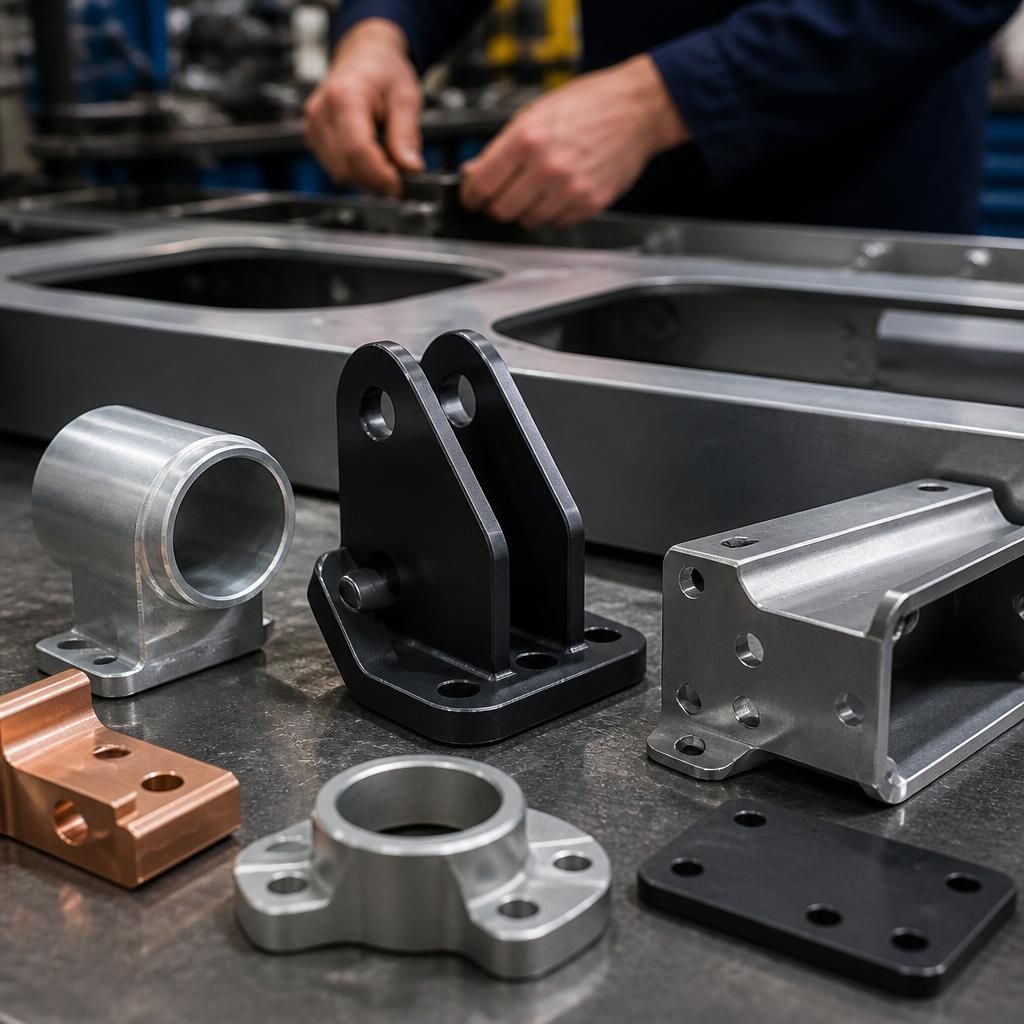
Dissimilar-metal assemblies need an assembly-level coating assessment. A nylon finish can be useful where aluminium, steel or copper components must be electrically separated or protected from direct rubbing. However, coating every mating surface may affect earthing, fastener contact, press fits or dimensional alignment. Identify which faces require insulation and which must remain conductive before preparation begins.
Specialised aluminium coatings may suit exposed ferrous components within the same assembly, while nylon may be more appropriate for contact points, guides or protective interfaces. Treat each component according to its function, then check that the combined coating specification will not create trapped moisture, interfere with assembly or introduce unwanted galvanic contact.