

What are the main benefits of choosing nylon coating for metal parts?
Nylon coating can provide metal parts with a tough, flexible surface that resists wear, impact, corrosion and many chemicals. It also offers a smooth finish and electrical insulation, making it suitable for components exposed to demanding handling or operating conditions.
Nylon coating gives metal parts a resilient polymer surface with benefits beyond basic protection. Its main advantages include consistent coverage of suitable shapes, reduced friction between moving components, quieter operation, protection for mating surfaces, easier cleaning, controllable appearance and a practical coating option for production parts that require a non-metallic outer layer.
- Coverage of edges, profiles and complex shapes: When the part design and application method are suitable, nylon can form a continuous coating over corners, bends and irregular profiles. This is useful for fabricated components where a conventional liquid finish may be more difficult to apply evenly. Good preparation remains essential, particularly around sharp edges, recesses, welds and joints.
- Lower friction between contacting parts: Nylon has useful sliding properties, so it can reduce resistance where coated components move against one another or against another surface. This makes it relevant to guides, rollers, chutes, bushes, handles and machine components. The result depends on the nylon grade, surface pressure, movement, temperature and whether lubrication is also required; coating should not be treated as a substitute for a properly specified bearing or lubricant.
- Quieter equipment operation: A nylon surface can reduce the harsh contact associated with metal-to-metal movement. It can help dampen rattling, knocking and contact noise in suitable assemblies, particularly where parts repeatedly touch during handling or operation. This can be valuable on guards, racks, conveying equipment and fabricated frames, although the overall noise level will also depend on the machinery, mounting and operating speed.
- Reduced marking of adjacent components: Metal parts can scratch, dent or leave marks on surfaces that they contact. A correctly applied nylon layer provides a less abrasive contact surface for items such as brackets, supports, clamps and handling fixtures. This is especially useful where coated components must be positioned repeatedly without damaging finished products or nearby painted surfaces.
- Simpler cleaning of a continuous surface: A well-applied nylon finish can create a sealed, relatively easy-to-clean outer layer on suitable components. Its smoothness and lack of exposed metal crevices can help remove dirt, residue and handling contamination. The cleaning chemicals and methods still need to be compatible with the selected nylon formulation, and the coating should be checked for damage if parts are exposed to aggressive wash-down procedures.
- Control over appearance and handling characteristics: Nylon coatings are available in finishes and colours selected for the intended component and environment. The coating can provide a consistent visual finish while also giving parts a warmer, less abrasive feel than bare metal. This can be useful for items that are handled regularly, used in visible assemblies or need colour coding for identification. The required colour, texture and coating thickness should be agreed before production because these factors can affect both appearance and fit.
- A practical non-metallic surface for manufactured components: Nylon can be selected where a metal part needs a polymer outer layer without changing the underlying strength and form of the substrate. This makes it suitable for fabricated and machined components that need a defined surface performance rather than a bare-metal finish. Powder-based application can also support repeatable production work, provided the substrate preparation, heating cycle, coating material and inspection requirements are properly controlled.
Whether nylon is the right choice depends on the component’s operating conditions. The specification should consider the base metal, part dimensions, coating thickness, service temperature, exposure to sunlight or chemicals, contact pressure, movement, cleaning regime and required tolerances. Holes, threads, mating faces and masked areas may need particular attention because even a relatively thin coating can affect assembly clearances.
It is also important to distinguish between the general benefits of nylon and the performance of a particular nylon formulation. Different grades can vary in hardness, flexibility, friction characteristics, colour stability and resistance to specific substances. A coating specialist can therefore assess the part drawing, expected use and preparation requirements before recommending the most appropriate system. For manufacturers and fabricators, this assessment helps ensure that the coating delivers the required surface function without compromising fit, assembly or subsequent use.
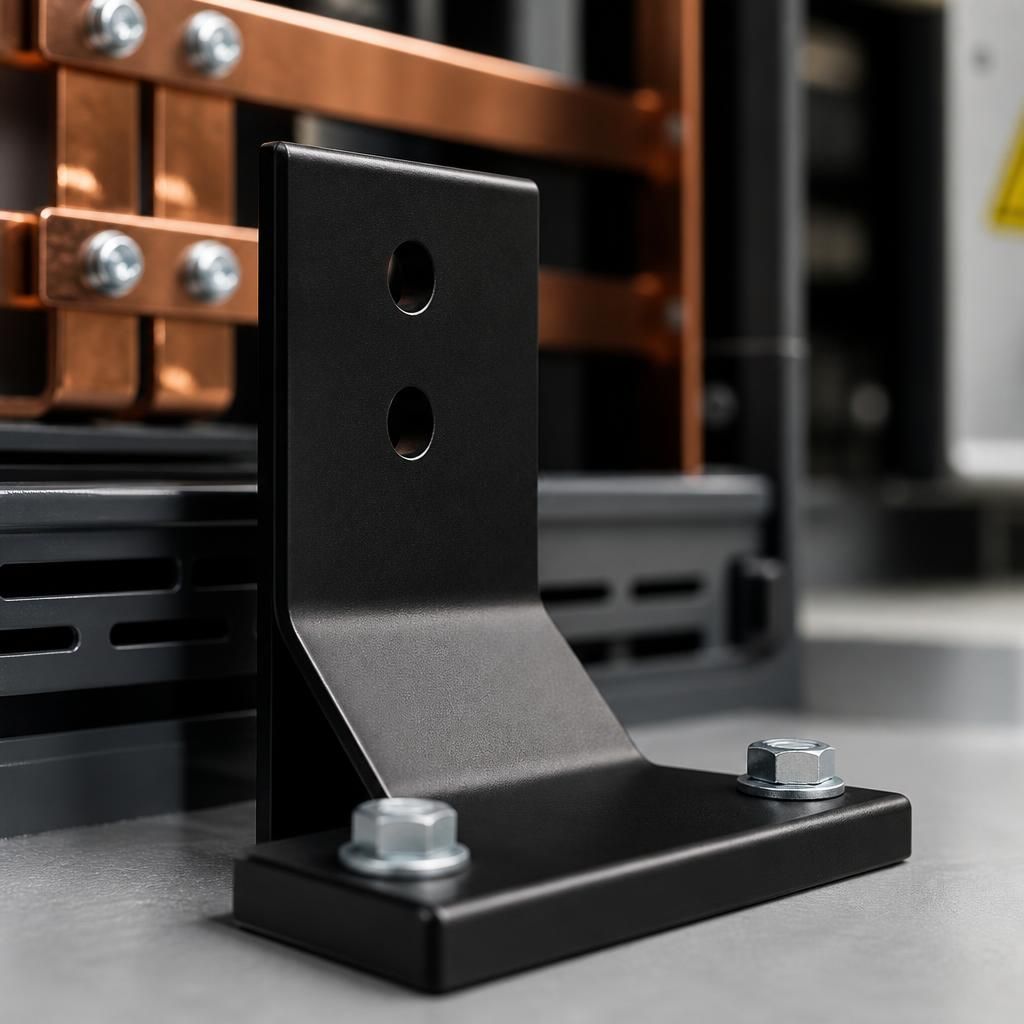
One distinct benefit of nylon coating for metal parts is electrical insulation. The polymer layer separates the conductive substrate from adjacent components, helping reduce unintended electrical contact and limiting the risk of current passing through the coated surface.
This can be useful for suitable brackets, supports, housings and other fabricated parts used near electrical assemblies. The insulating performance depends on the nylon formulation, coating thickness, surface continuity and operating conditions, so areas requiring conductivity, earthing or secure electrical contact must be masked or specified separately. Nylon coating should support—not replace—the component’s wider electrical design and safety requirements.
Discuss your nylon coating requirements
If you are assessing nylon coating for a specific metal part, share its material, dimensions, operating conditions and required coating thickness for an informed suitability review. Discuss your nylon coating requirements with the team to identify the appropriate preparation and finish for the application.