

How do matte clear and white powder coatings impact the long-term maintenance of aluminium structures?
Matte clear and white powder coatings can reduce routine maintenance on aluminium structures by providing a durable, sealed finish that helps protect the metal from weathering and surface contamination. Matte clear may make scuffs and deposits more noticeable, while white can show dirt readily, so both finishes require suitable, non-abrasive cleaning and periodic inspection for damage or corrosion at exposed edges and fixings.
Matte clear and white powder coatings influence the long-term maintenance of aluminium structures mainly through their appearance, exposure behaviour and ease of condition assessment. Both can reduce the need for refinishing when correctly specified and applied, but their maintenance profiles differ: matte clear preserves more of the aluminium’s visible character, whereas white provides an opaque, consistent appearance that can make colour change and local damage easier to identify.
Colour and gloss retention
Long-term appearance is affected by ultraviolet exposure, moisture, pollutants and the service environment. A matte finish is designed to diffuse reflected light rather than produce a high-gloss surface. This can make minor variation in sheen less obvious across broad sections, but any local polishing, abrasion or incompatible repair may create a visible difference in texture. Matte clear coatings can also reveal changes in the aluminium beneath the coating, particularly where the substrate has been marked, stained or repaired.
White powder coating gives the structure a more uniform visual baseline. Its opacity conceals the underlying aluminium and can make the overall finish easier to assess for discolouration, chalking or patchiness. However, changes in white tone may become noticeable on prominent elevations, especially where one component has been replaced or recoated with a slightly different formulation. For projects requiring future additions, retaining the original coating specification and colour reference is therefore important.
How the finish affects condition assessment
Maintenance teams should distinguish between a change in appearance and a loss of protective performance. A duller area, slight colour variation or accumulated surface film does not automatically indicate that the aluminium is corroding. Conversely, a visually acceptable surface may still have damage at cut edges, drilled areas, joints or contact points where the coating has been breached.
Matte clear finishes require particular care when assessing local defects because the visible condition of the substrate remains part of the appearance. White finishes make dark marks, rust staining from adjacent steel and sealant migration more apparent. This can lead to more frequent cosmetic attention even when the underlying aluminium remains serviceable. Inspection records should note the location, size and type of defect rather than relying only on an overall judgement of whether the structure looks clean.
Influence of structure and environment
The coating itself is only one part of the maintenance requirement. Aluminium structures exposed to coastal salt, industrial emissions, road spray or persistent moisture generally need a more considered inspection regime than components in a sheltered inland setting. Water traps, blocked drainage paths and poorly designed overlaps can prolong exposure to contaminants and place stress on the finish regardless of whether it is matte clear or white.
Details such as fasteners, brackets, welds, folded corners and interfaces with other metals should be considered during design and installation. Dissimilar-metal contact can create corrosion risks if it is not properly isolated, while movement between connected materials can damage the coating at joints. Good drainage, suitable separation materials and avoiding unnecessary contact with abrasive surfaces can therefore have a greater effect on service life than the choice between the two colours alone.
Cleaning and planned maintenance
The cleaning method should preserve the surface texture and avoid introducing a different level of sheen. Aggressive rubbing, abrasive pads, strong solvents and unsuitable pressure-washing practices can alter a matte finish or remove local surface deposits unevenly. White coatings may need more frequent appearance-led cleaning because marks are more visible, while matte clear coatings may need careful treatment to prevent polished patches.
A practical maintenance plan should include:
- checking for coating loss, bubbling, cracking or lifting at vulnerable details;
- recording changes in colour, texture or local staining separately from physical damage;
- confirming that drainage channels, joints and interfaces are not retaining debris or moisture;
- using cleaning materials and methods compatible with the specified powder coating; and
- addressing small breaches before moisture and contaminants can reach a larger area of the substrate.
Repairs and future recoating
Minor damage should be assessed according to its cause, extent and location. A local liquid touch-up may protect a small exposed area, but it may not match the texture or reflectivity of a factory-applied matte powder coating. On white surfaces, a mismatch in tone can remain visible; on matte clear surfaces, a repair may differ in both transparency and sheen. Larger or repeated defects may justify removing and recoating the affected component rather than applying multiple visible patches.
Future refurbishment is easier when the original powder type, colour reference, gloss or texture level, aluminium preparation and curing requirements have been documented. The condition of the existing coating and the suitability of the substrate must be checked before recoating, since applying a new layer over contamination, weak adhesion or untreated corrosion can shorten the life of the repair.
In practical terms, white powder coating often creates a more consistent and easily monitored appearance, but cosmetic marks can demand attention sooner. Matte clear coating can support a natural aluminium aesthetic, while making substrate condition and repair matching more technically important. For either finish, long-term maintenance is best controlled through appropriate specification, sound detailing, compatible cleaning, documented repairs and inspections focused on the structure’s exposure and vulnerable interfaces.
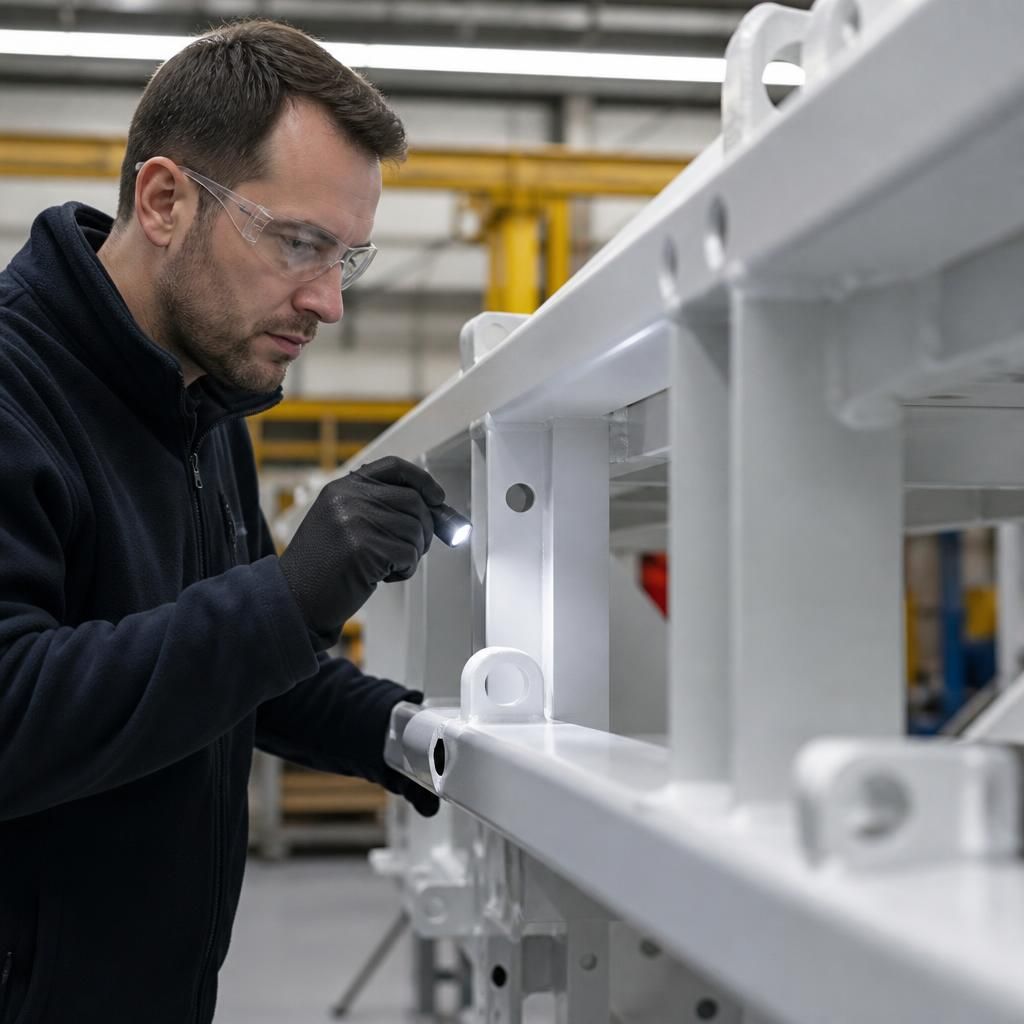
The long-term maintenance burden is strongly influenced by how well the powder coating bonds to the aluminium, not simply by whether the finish is matte clear or white. Aluminium forms a tenacious oxide layer, so suitable cleaning, conversion treatment and controlled curing are important before the powder is applied. If preparation is inadequate, loss of adhesion may develop beneath apparently sound areas and lead to flaking or local coating failure.
For this reason, maintenance records should identify the preparation and coating system used, particularly for structural components that may require refurbishment later. This information helps determine whether an affected area can be repaired locally or needs further assessment before recoating. It also prevents a new finish being applied over residues or poorly bonded material that could compromise the next maintenance cycle.