

How do matte clear and white powder coatings affect the longevity and maintenance requirements of aluminium sheet metal?
Matte clear and white powder coatings form a durable, uniform finish over aluminium sheet metal, helping protect the surface from moisture, abrasion and everyday handling while maintaining its appearance. Longevity depends on correct surface preparation, coating application and exposure conditions; routine cleaning with mild, non-abrasive products helps prevent staining and preserves the finish.
Matte clear and white powder coatings can extend the service life of aluminium sheet metal by separating the substrate from contaminants and reducing the rate at which the surface appearance deteriorates. Their maintenance requirements are broadly similar, but the two finishes age differently: matte clear retains the visual character of the aluminium, while white provides a more uniform appearance and makes some forms of soiling more noticeable.
Matte clear powder coating leaves the aluminium’s underlying tone and surface character visible. This makes it useful where a natural-metal appearance is required, but it also means that variations in the sheet, preparation marks or local discolouration may remain apparent. As the coating weathers, changes in sheen or clarity can be easier to notice because the finish is being judged against the visible aluminium beneath it.
White powder coating creates a consistent, opaque surface that conceals minor differences in the aluminium substrate. It can maintain a clean, uniform appearance when properly specified and applied, although dust, handling marks, oily deposits and runoff staining tend to show more readily against a light colour. White surfaces may therefore require more frequent visual attention even when the coating itself remains sound.
Longevity is affected by more than the selected colour or sheen. The coating system must be compatible with aluminium, and the sheet should be inspected for contamination, oxide residue, sharp edges and fabrication debris before coating. Formed sections, folded edges, holes and areas close to fixings can experience greater mechanical stress or collect moisture and dirt. Good pretreatment, complete coverage and appropriate curing are therefore important in preventing local defects that can shorten the effective service life.
Exposure conditions also influence maintenance. External sheet metal may encounter ultraviolet radiation, rainwater, condensation, industrial deposits, road salts or airborne pollutants. These can gradually affect colour, surface appearance and coating performance. A matte finish can disguise minor reflection changes, but it should not be assumed to be unaffected by weathering. White coatings can show environmental deposits sooner, while a clear coating may reveal changes in the aluminium or deposits beneath its surface. The correct coating specification should reflect the intended location and the severity of exposure.
Maintenance should focus on preserving the coating rather than trying to restore it aggressively. Inspect the sheet periodically for scratches, impact damage, lifting at edges, corrosion staining or deposits around joints and fixings. Remove contaminants before they become embedded, using a soft cloth or sponge and a cleaning method suitable for coated aluminium. Abrasive pads, harsh solvents, strong alkaline or acidic cleaners and unapproved polishing compounds can alter the matte texture, create gloss patches or damage the coating film.
Small defects should be assessed rather than simply covered. A scratch that reaches the aluminium, damage around a folded edge or coating loss near a fixing can expose the substrate to further contamination and should be repaired using a compatible system. Touch-up products may not reproduce the exact texture or reflectivity of a factory-applied matte clear or white finish, so repaired areas may remain visible. Where appearance is critical, the repair method should be agreed before work begins.
For sheet metal used in assemblies, maintenance also includes checking interfaces between coated panels and other materials. Trapped moisture, dirt held behind overlaps, incompatible sealants and movement at fixings can create localised problems even where the main face of the sheet remains intact. Drainage, ventilation and suitable detailing help reduce these risks. Coated surfaces should not be treated as a substitute for sound design or protection from persistent moisture.
In practical terms, matte clear is generally chosen when preserving the aluminium’s appearance is more important than concealing substrate variation, whereas white is often selected when a consistent opaque finish is preferred. Neither finish removes the need for suitable preparation, controlled application, inspection and planned cleaning. The most durable result comes from matching the coating specification and maintenance procedure to the sheet’s fabrication, location and expected contaminants.
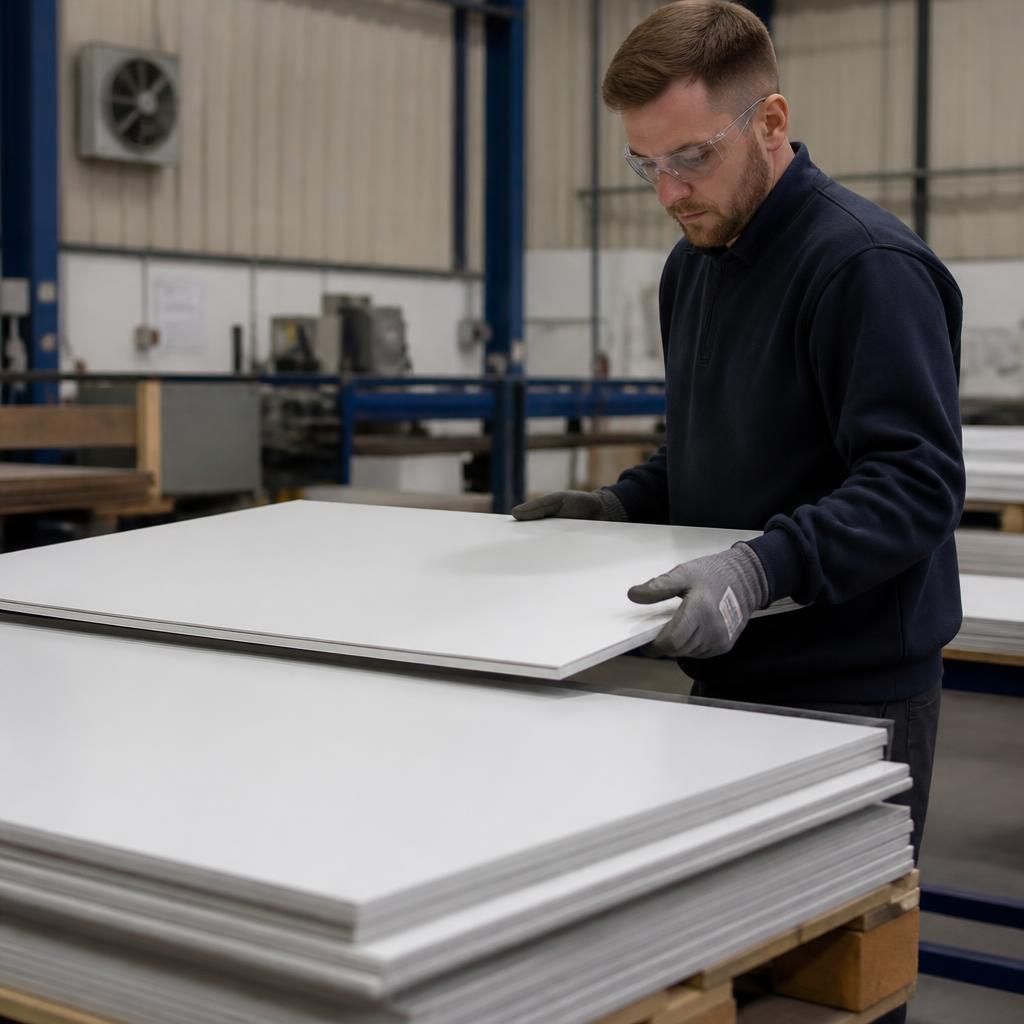
The protective life of a powder-coated aluminium sheet and its acceptable visual life are not always the same. A coating may still be firmly bonded and protecting the substrate while its colour, clarity or surface uniformity has changed enough to require attention. This distinction is particularly relevant for matte clear finishes, where changes in the visible aluminium can affect appearance, and white finishes, where accumulated surface marking may become unacceptable before the coating has materially lost its protective function.
Maintenance planning should therefore define both physical and visual inspection criteria. Check whether the film remains continuous and well bonded, but also record changes in colour, surface texture, transparency and visible marking. This helps distinguish routine cleaning from remedial work and prevents unnecessary replacement of sound sheet metal solely because its appearance has altered.
Discuss the right coating for your aluminium sheet metal
Discuss your aluminium sheet metal, intended exposure and appearance requirements with a powder-coating specialist to identify a suitable matte clear or white coating specification. Providing drawings, sample parts or details of the operating environment can help establish the preparation, application and maintenance requirements before production.