

What should I consider when evaluating the longevity and maintenance needs of edge powder coated aluminium components?
The longevity of edge powder coated aluminium components depends on surface preparation, consistent coating coverage at the edges, exposure conditions and how the parts are handled in service. Maintenance typically involves suitable cleaning, periodic inspection for damage or corrosion, and prompt repair of chips or abrasions before they spread.
The longevity of edge powder coated aluminium components should be evaluated against the coating specification, component design, service environment and expected maintenance access. A durable result is not judged by appearance alone: the assessment should consider how the finish will perform at exposed edges, around fixings and in areas subject to contact, contamination or chemical attack throughout the component’s intended service life.
Check that the coating specification matches the environment. Establish whether the components will be used internally, externally, near roads, in an industrial atmosphere, in a coastal location or where they may contact cleaning agents, oils or other chemicals. Ultraviolet exposure can affect colour and gloss, while pollutants and deposited salts can increase surface deterioration. The coating system should therefore be selected for the actual exposure rather than for appearance or initial cost alone.
Assess edge design as well as the coated surface. Very sharp edges, narrow returns, drilled holes, cut-outs and complex profiles can be more difficult to coat consistently than broad, accessible faces. These features may also receive greater contact during assembly or service. Reviewing drawings before production can identify edges that need a suitable radius, altered access, masking, drainage or a defined acceptance standard. Good design reduces the likelihood that maintenance will be concentrated in small, vulnerable areas.
Ask how performance will be verified. A useful coating specification should identify the powder type, intended finish, colour and gloss requirements, permissible visual variation, film-build requirements and the tests used for acceptance. Depending on the application, relevant checks may include coating thickness, adhesion, appearance, cure and resistance to impact or abrasion. For demanding components, request records showing that the agreed requirements were checked on representative parts or production batches.
Visual assessment should be carried out under consistent viewing conditions and from an agreed distance. Minor texture differences may be inherent to the selected finish, whereas runs, pinholes, inclusions, bare areas, excessive orange peel or inconsistent gloss may indicate a quality issue. Colour matching should also account for the viewing angle, adjacent materials and the possibility that separate production batches will not appear identical.
Separate normal ageing from coating failure. A gradual change in gloss or colour may result from weathering, while blistering, lifting, flaking, widespread cracking or corrosion staining can indicate a more serious breakdown. White or powdery deposits may be surface contamination or early degradation, and should not be dismissed without considering their location and recurrence. Keeping photographs, batch details, installation dates and the conditions in which the component is used makes later assessment more reliable.
Plan maintenance around the component’s surroundings. The required routine depends on how readily dirt, salts, metal dust, traffic film or process residues collect on the aluminium. Components beneath ledges, close to vehicle routes or adjacent to manufacturing activity may need more frequent attention than sheltered, clean indoor parts. Maintenance planning should also consider whether the item can be safely accessed without scratching the finish or placing loads on delicate edges.
Use clean water and a soft, non-abrasive cloth or brush for routine washing. A mild, compatible detergent can be used where water alone does not remove deposits, followed by thorough rinsing and drying. Avoid abrasive pads, aggressive solvents, strongly alkaline or acidic cleaners, and unapproved pressure-washing practices. Cleaning products should be checked against the coating supplier’s guidance, particularly where the component is exposed to chemicals or is part of a controlled industrial process.
When evaluating a coating provider, ask for a clear maintenance recommendation, the proposed acceptance criteria and an explanation of how edge coverage and finish consistency will be controlled. It is also sensible to clarify how non-conforming parts, transport marks and installation damage will be recorded and dealt with. A provider able to relate the specification to the component geometry and service conditions is better placed to support a predictable maintenance plan than one offering a generic finish.
For procurement and asset-management purposes, compare options by whole-life requirements rather than coating price alone. Consider the cost and practicality of cleaning, the consequences of cosmetic deterioration, access for future work, replacement difficulty and whether repairs can be made without removing the entire assembly. This approach helps determine whether a finish is suitable for the component’s real operating conditions and whether its maintenance needs are compatible with the wider installation.
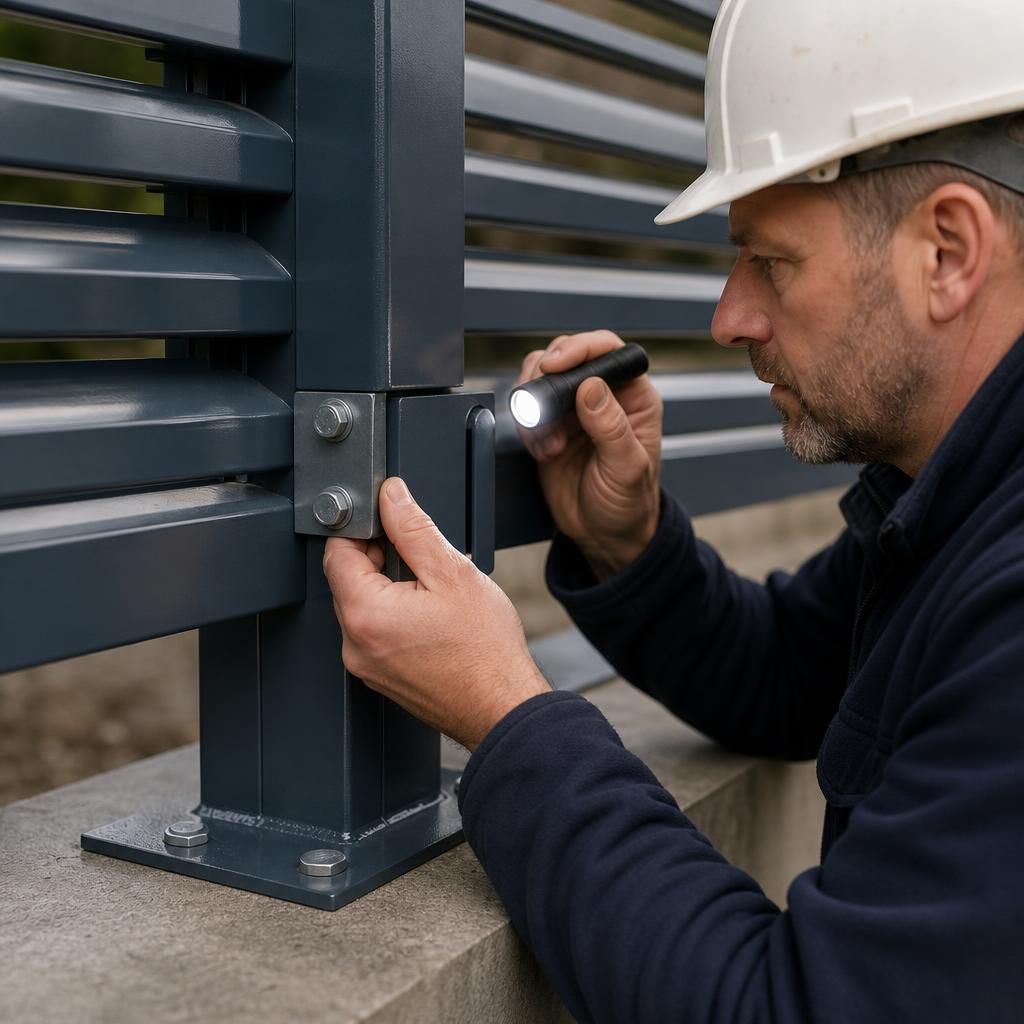
Assess how the coated aluminium interfaces with other materials, not just the exposed face. Contact with steel, copper or incompatible fixings can create local corrosion conditions if moisture becomes trapped at the joint. Isolation washers, suitable fasteners and compatible sealants can help protect vulnerable edges, provided they do not conceal damage or prevent water from escaping.
Maintenance inspections should include laps, joints, fastener heads and enclosed returns where deterioration may develop out of sight. Look for staining, swelling, sealant failure and movement that could abrade the coating. Recording the condition of these interfaces separately from the general surface makes it easier to identify whether a problem relates to the coating, the assembly design or the surrounding materials.