

What materials or surfaces can be treated with edge powder coating?
Edge powder coating is primarily used on aluminium components and other compatible metal surfaces, including steel and iron, where the substrate can withstand the preparation and curing process. It is particularly relevant to exposed edges, profiles, cut-outs and other areas that need a continuous, durable finish.
The most suitable surfaces for edge powder coating are clean, electrically conductive metal surfaces with edges that can be properly prepared and reached during spraying. For aluminium components, this includes extrusions, folded sheet, machined parts, castings, frames, enclosures and fabricated assemblies, provided the shape, condition and alloy are compatible with the preparation and curing requirements.
Common aluminium surface types
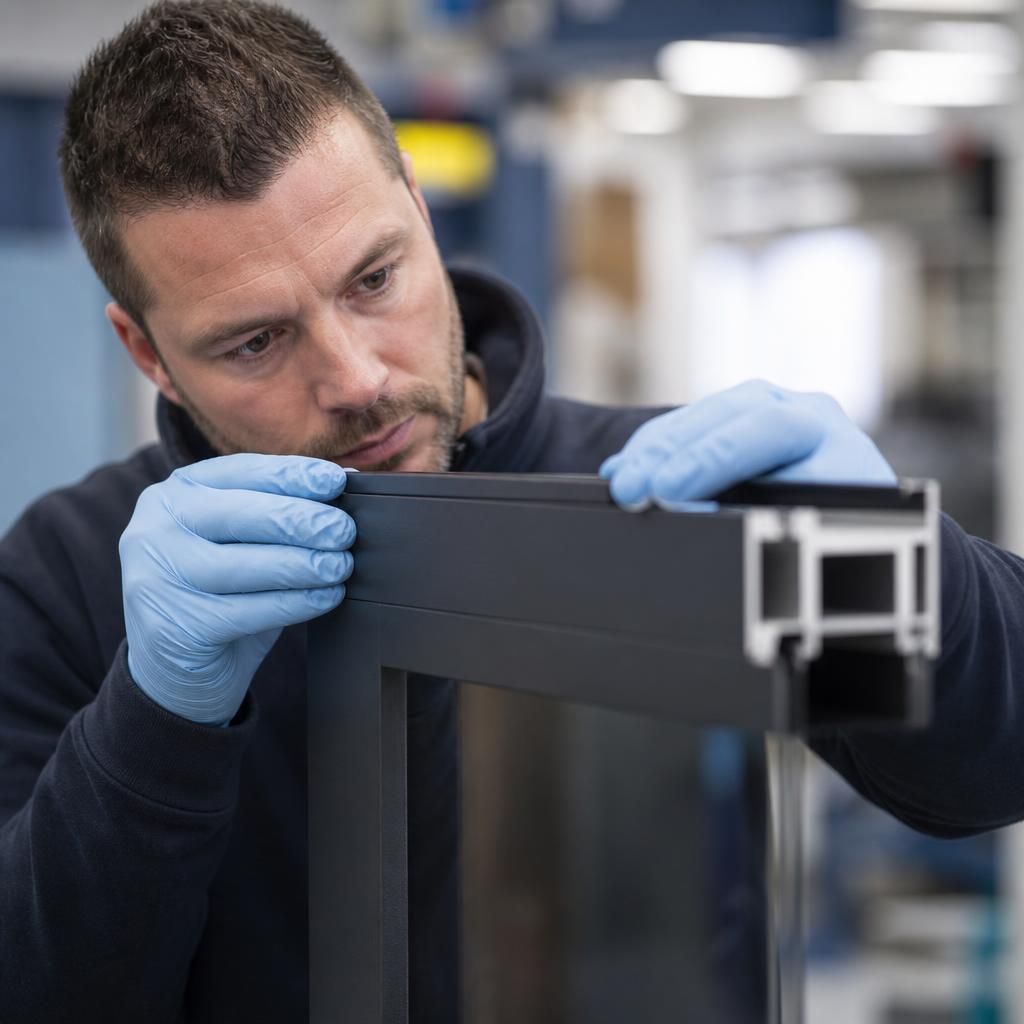
- Extruded profiles: Window, door, architectural and industrial profiles can be coated along their external edges, cut ends and formed details. Any saw marks, burrs or sharp corners should be addressed before coating.
- Sheet and folded aluminium: Panels, brackets, covers and trays can be treated where bends, returns and exposed cut edges have been designed to allow suitable pretreatment and powder coverage.
- Machined components: Machined aluminium parts may be coated, although drilling, tapping, close-tolerance faces and mating surfaces may need masking or allowance for coating thickness.
- Cast aluminium: Castings can be suitable, but their pores and surface texture may hold moisture or release trapped gases during curing. Cleaning, preheating, outgassing control and the choice of powder system are therefore important.
- Fabricated assemblies: Welded or assembled aluminium items can be coated if joints, crevices and internal faces can be cleaned effectively. Weld residue, flux, oil and other contaminants can interfere with adhesion.
Other metal substrates
Edge powder coating can also be applied to compatible ferrous components, including mild steel, stainless steel and iron-based fabrications. The preparation method differs according to the substrate. Steel may require removal of mill scale, rust, oil and fabrication residue, while stainless steel usually needs a surface treatment that promotes adhesion. Zinc-coated or galvanised parts can sometimes be coated, but they require careful cleaning and a compatible pretreatment or primer to reduce the risk of poor adhesion, pinholing or surface defects.
The existing condition of the surface matters as much as the material itself. Bare metal is generally the most straightforward starting point, while previously painted, anodised, plated or powder-coated components need assessment before processing. An old finish may need to be removed, lightly abraded or tested for compatibility. Corrosion, embedded dirt and chemical contamination cannot be reliably concealed by applying a new powder layer.
Surfaces that need special assessment
Not every item containing metal is suitable for this treatment. Components with rubber, plastic, timber, adhesives, seals or heat-sensitive inserts may be unsuitable for the curing stage unless those parts can be removed or protected. Mixed-material assemblies also need checking because different materials may expand differently, retain contaminants or prevent the coating from reaching the edge.
Very sharp edges, narrow slots, deep recesses and internal corners can affect powder distribution. The powder may thin at a sharp edge, struggle to reach a recessed area or accumulate at a corner. Designers and fabricators can improve the result by specifying suitable radii, allowing access for pretreatment and avoiding unnecessary crevices. Masking may be required where threads, bearing seats, electrical contact points or precision interfaces must remain uncoated.
Before selecting a coating system, the provider should review the substrate, alloy or grade where relevant, existing finish, component dimensions, edge geometry, intended exposure and required appearance. A small test or sample may be appropriate for unfamiliar materials, cast surfaces, mixed assemblies or parts with an existing coating. This assessment confirms whether the surface can be cleaned, electrically grounded, sprayed evenly and cured without damaging the component.
Powder coating is not a universal finish for every material incorporated into a component. Non-metallic surfaces such as glass and ceramics generally cannot be grounded for electrostatic application and may not tolerate the curing temperature. Where these materials form part of an otherwise suitable metal item, they should be removed or protected before treatment, with the coating boundary agreed around the finished component’s functional areas.
Ask about the suitability of your aluminium surfaces
If you are unsure whether your aluminium component’s edges are suitable for treatment, ask for a coating assessment based on the part’s design, surface condition and intended use. Providing drawings or sample components can help establish the appropriate preparation and coating approach.