

What are the potential challenges or limitations when using RAL 9023 aluminium powder coating in high-wear environments?
In high-wear environments, RAL 9023 aluminium powder coating can be limited by abrasion, impact and repeated contact, which may cause scuffing, local wear or exposure of the metal beneath. RAL 9023 identifies the colour rather than guaranteeing a particular wear rating, so durability depends on the coating system, film build, surface preparation, curing and the severity of service conditions.
RAL 9023 aluminium powder coating can be unsuitable for severe wear if the specified coating system does not match the type and frequency of contact involved. The main limitations are progressive surface damage, vulnerability at edges and fixings, difficulty achieving an invisible repair, and possible deterioration caused by cleaning chemicals or unsuitable maintenance methods. RAL 9023 defines the colour, not the complete performance specification, so the finish should be assessed as part of the proposed coating system.
Surface appearance may change before the coating fails completely. Repeated rubbing can create visible burnishing, dull patches or local changes in texture. These defects may be more noticeable on prominent aluminium panels, enclosures, handrails and equipment that is inspected for appearance as well as function. A coating can remain attached while its original visual uniformity has already been reduced.
Edges, corners and apertures are particularly exposed. Coating coverage can be less uniform around sharp profiles, drilled holes, cut-outs, welds and handling points. These areas may receive concentrated contact from tools, fasteners or adjoining components. Once the coating is damaged at an edge, moisture and contaminants can reach the aluminium and extend the affected area. Component design should therefore avoid unnecessarily sharp edges and should allow the coater to prepare and cover difficult features consistently.
Frequent impact or sliding contact may require a different specification. Powder coating is not a substitute for a sacrificial wear lining where parts scrape against one another continuously, carry abrasive material or are struck by hard objects. In such applications, the coating specification should consider:
- the hardness and shape of the contacting material;
- whether movement is sliding, rolling or impact-based;
- the presence of dust, grit, swarf or other abrasive particles;
- the load applied to the contact area; and
- whether damage can be inspected and repaired without removing the component.
Where service conditions are severe, representative samples or test panels can help compare the proposed finish with the actual contact conditions. Testing is more useful when it reproduces the force, movement, contamination and cleaning regime expected in service, rather than relying only on a general coating description.
Chemical exposure can add to mechanical wear. Degreasers, alkaline cleaners, solvents, road contaminants and process residues may soften, stain or reduce the appearance of a finish if they are unsuitable or left on the surface. A coating that withstands ordinary handling may not retain the same performance when abrasion and chemical attack occur together. The cleaning products, concentrations, temperatures and contact times should be reviewed as part of the specification, with the coating supplier consulted where the chemicals are not familiar.
Repairs can be visible. A damaged area can sometimes be cleaned, lightly prepared and recoated, but a local repair may not reproduce the exact surrounding gloss, texture or colour appearance. This is especially relevant where the original surface has weathered or has been polished by use. For components in demanding service, it is sensible to establish whether repair will be practical, whether replacement panels can be kept, and whether the part can be removed for controlled reworking.
Durability can be improved by selecting a coating system intended for the actual service environment, specifying suitable aluminium pretreatment, controlling application and curing, and protecting vulnerable areas through component design. During use, remove abrasive deposits with a compatible, non-abrasive cleaning method and avoid harsh pads, dry scraping and unapproved solvents. Regular inspection should focus on corners, contact points, fasteners, joints and areas where the finish has become visibly thin or damaged.
For high-wear applications, the correct question is therefore not whether RAL 9023 is durable in isolation, but whether the complete RAL 9023 coating specification is appropriate for the expected wear mechanism and maintenance regime. Where appearance, corrosion protection and service life are critical, the proposed system should be agreed against the operating conditions before production coating begins.
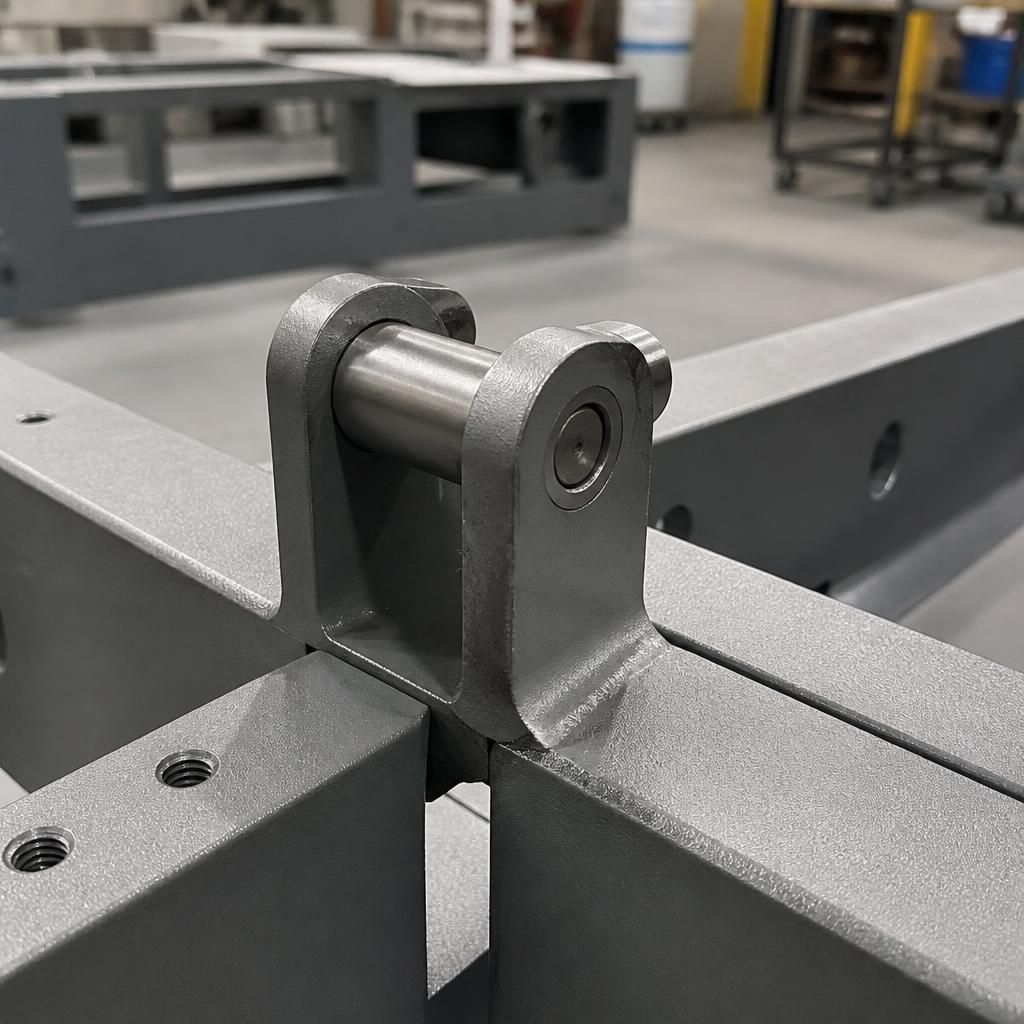
In high-wear assemblies, RAL 9023 powder coating can affect fit at mating surfaces because the applied film adds thickness and may wear unevenly where components move against one another. This can lead to tight clearances, restricted movement or local exposure of the aluminium, even when the surrounding finish remains intact.
Interfaces such as sliding seats, hinges, threaded connections and close-fitting covers should therefore be identified before coating. The specification may require controlled masking, suitable clearances or a separate treatment for load-bearing and moving surfaces. Checking assembled parts after coating is also important, particularly where dimensional accuracy and smooth movement are essential to the equipment’s operation.
Discuss Your RAL 9023 High-Wear Coating Requirements
Discuss your RAL 9023 requirements with the powder-coating team, providing details of the component, contact conditions, cleaning regime and any dimensional constraints. This allows the proposed coating specification to be assessed against the actual high-wear application.