

Can RAL 7035 powder coated aluminium be recycled after use?
Yes. RAL 7035 powder coated aluminium can be recycled after use because the aluminium remains a recyclable metal and the cured powder coating is managed during the recycling process. For best results, separate aluminium components from other materials and use an appropriate metal recycling stream.
Recycling RAL 7035 powder coated aluminium depends mainly on the component’s construction, cleanliness and the recycling facility’s acceptance criteria. The RAL 7035 designation identifies the light grey colour; it does not create a separate recycling category. In most cases, the aluminium is processed through a non-ferrous metal recycling route, while the cured organic coating is dealt with as part of that process.
During industrial recycling, aluminium components are typically sorted, prepared and remelted. The powder coating is not recovered as a useful aluminium material. Instead, it may break down during the high-temperature stage, with residues managed by the recycling plant’s filtration and waste-control systems. The presence of a coating can therefore influence processing, but it does not automatically make the component unsuitable for recycling.
Before sending components for recycling, consider the following:
- Remove attached plastic, rubber, timber and other non-metallic parts where practical.
- Separate steel fixings or mixed-metal assemblies if the recycling facility requests this.
- Drain or remove oils, sealants, adhesives and other substances that could contaminate the metal stream.
- Keep aluminium items separate from general waste and from ferrous metals.
- Identify inserts, bonded sections or complex assemblies that cannot be dismantled economically.
- Tell the recycler that the material is powder coated aluminium, rather than presenting it as uncoated scrap.
Large fabricated parts may need dismantling before collection. For example, an aluminium frame containing steel brackets, polymer seals and glazing is not the same recycling proposition as a clean, single-metal extrusion. Separating the materials can improve sorting and reduce the risk that the whole assembly is rejected or sent to a less suitable waste route.
Condition also matters. Ordinary surface dirt is generally addressed during preparation, but heavy deposits of oil, chemicals, mortar or other process residues may require specific handling. Components used in industrial environments should be assessed for contamination before they leave the site, particularly where they have been exposed to substances that could make the scrap hazardous.
Recycling is usually preferable to disposal, but reuse can be considered first where the part remains structurally suitable and its dimensions and finish meet a new application’s requirements. Reuse avoids the need to remanufacture the component, while recycling is appropriate when the item is damaged, obsolete or no longer practical to use.
For a business managing end-of-life coated aluminium, the most reliable approach is to obtain the receiving recycler’s specification before dismantling or consigning the material. Requirements can differ according to the recycler’s equipment, minimum load, contamination limits and preferred preparation. Retaining information about the aluminium alloy, any attached materials and previous industrial use can also help the recycler select the correct route.
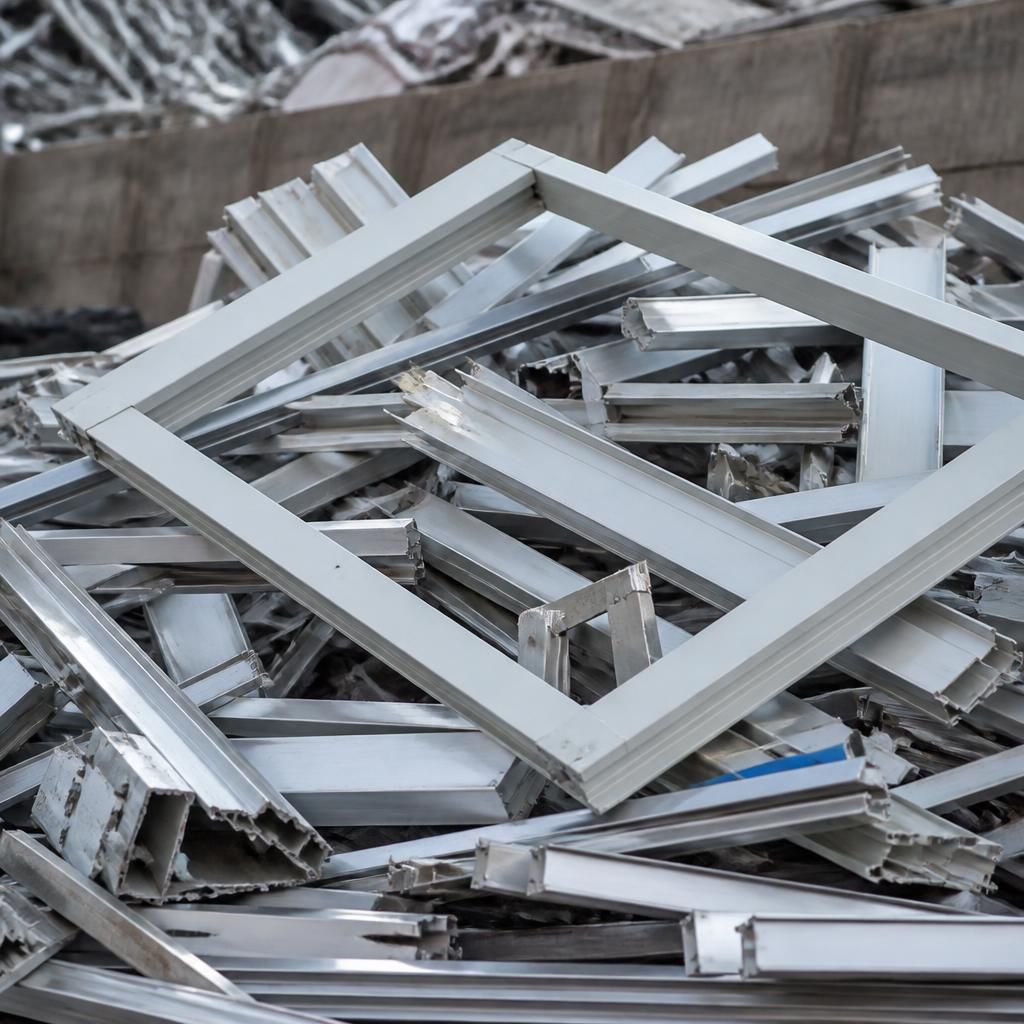
Powder coating does not normally need to be stripped from aluminium before recycling. The RAL 7035 finish is removed or dealt with within the recycler’s established preparation and remelting process, so attempting to abrade, burn or chemically remove it beforehand can add unnecessary work and introduce further residues. The aluminium substrate remains the valuable recyclable material.
For that reason, businesses should follow the receiving recycler’s instructions rather than choosing a coating-removal method independently. A recycler may prefer the component intact, particularly where mechanical separation could distort extrusions or damage identifiable alloy material. The key requirement is to describe the scrap accurately as RAL 7035 powder coated aluminium and confirm the accepted route before processing it.