

What are the maintenance requirements for aluminium surfaces coated with Interpon D2015 and D2525 finishes?
Aluminium surfaces coated with Interpon D2015 and D2525 finishes generally require routine cleaning with a mild, non-abrasive detergent, followed by thorough rinsing and drying. Regular inspections should identify dirt build-up, staining, scratches or local damage early, so suitable remedial work can be arranged before the coating’s protective performance is affected.
Maintenance of aluminium coated with Interpon D2015 or D2525 is mainly preventive: protect the coating from unsuitable chemicals, abrasion and prolonged contamination, and deal with local damage using compatible repair materials. The coating should not normally require routine refinishing when it remains intact, but its condition and the surrounding installation still need to be managed appropriately for the exposure conditions.
Maintenance procedures should be adapted to the environment in which the aluminium is installed. Coastal locations, industrial areas, sites exposed to traffic emissions and places where contaminants can collect may place greater demands on the finish than sheltered, clean environments. The maintenance plan should therefore consider the type of exposure, the position of the component, its orientation and whether water or debris can remain trapped against the coated surface.
Use only cleaning agents and procedures that are suitable for the coating. Strongly acidic or alkaline products, abrasive powders, scouring pads, wire brushes, sharp scrapers and aggressive solvents can dull, scratch or soften the finish. Pressure-washing should also be controlled so that it does not force water into joints, seals, fixings or concealed areas. If a specialist stain or graffiti-removal product is required, it should be confirmed as compatible with the particular finish and tested first in an inconspicuous area.
Pay particular attention to locations where the coating may be damaged mechanically. Common causes include impact from tools, contact with other metalwork, movement at joints, poorly protected storage and abrasion from adjacent components. Damage should be assessed promptly rather than covered with an unverified paint or sealant. A suitable repair normally involves removing loose or poorly bonded material, preparing the exposed aluminium and applying a compatible repair coating in accordance with the relevant product instructions.
Small local repairs may be possible with an approved touch-up system, but colour, gloss and texture may not match the original factory-applied finish exactly. Larger damaged areas, corrosion at the substrate, widespread loss of adhesion or damage around edges and fixings may require preparation and recoating by a suitably experienced coating specialist. Repairs should not simply bridge over loose coating, trapped contamination or moisture.
Design details also affect long-term maintenance. Check that drainage paths remain clear and that water cannot collect at interfaces, laps, recesses or behind attached fittings. Sealants, gaskets, fasteners and other adjoining materials should be compatible with the coated aluminium. Where dissimilar metals meet, the connection should be assessed for the risk of galvanic corrosion, particularly in damp or salt-laden environments.
Maintenance records are useful for commercial and industrial installations. Record the areas treated, the products used, any damage identified and any repair work completed. Retain the coating specification and product guidance so that future cleaning or remedial work uses compatible materials. If the finish is subject to a project-specific warranty, maintenance should follow its stated requirements, including any restrictions on chemicals, repair products or alterations.
Before carrying out remedial work, confirm whether the issue is superficial contamination, coating damage, loss of adhesion or corrosion beneath the finish. These conditions require different responses, and treating them all as a simple touch-up can leave the underlying problem unresolved. For extensive or uncertain damage, obtain a coating assessment before specifying the repair method.
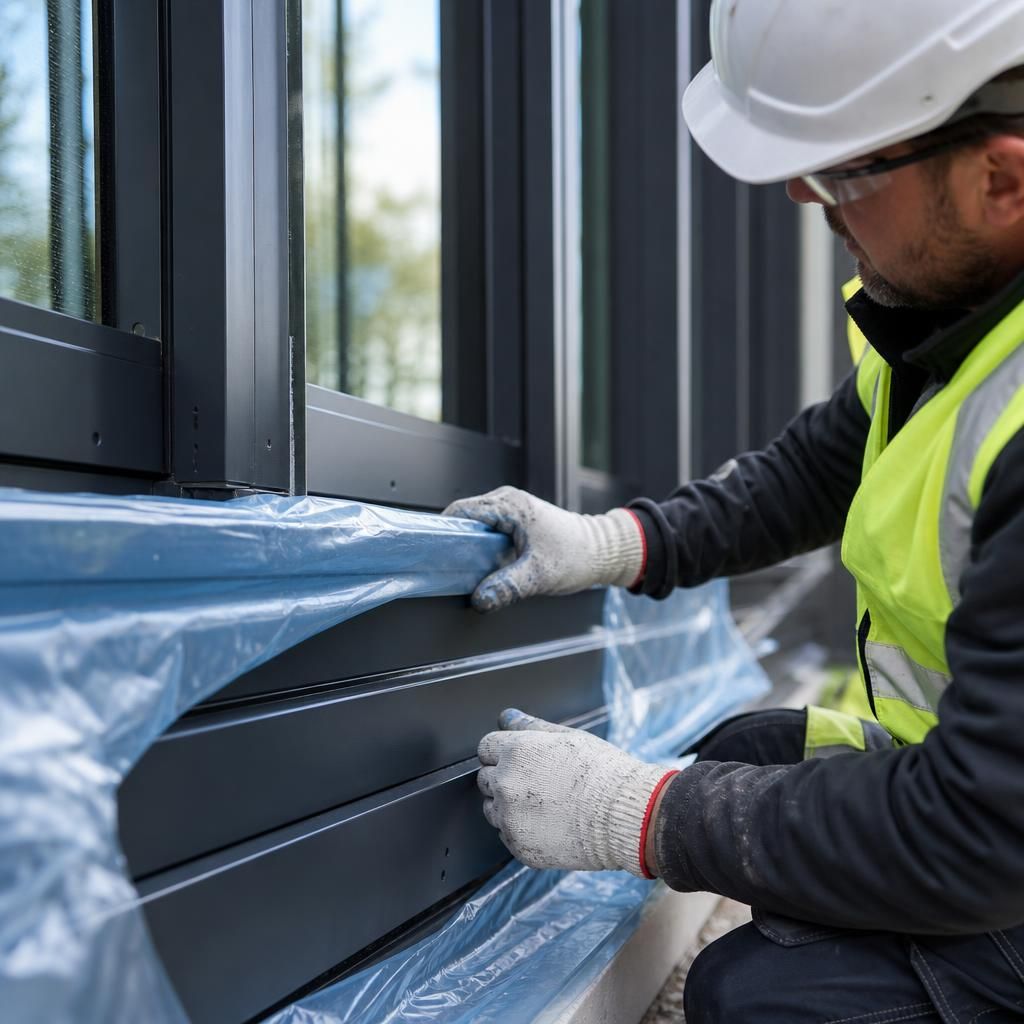
Protecting the finish during later installation or maintenance work is an important part of caring for aluminium coated with Interpon D2015 or D2525. Do not use coated components as work surfaces, and prevent contact with wet cement, plaster, sealants, metal swarf or other construction residues. Temporary coverings should be clean, non-abrasive and suitable for the surface, then removed without dragging debris across the coating.
Any subsequent drilling, fitting or adjustment should be planned to avoid unnecessary abrasion and should leave the surrounding coating free from residue. If work introduces exposed edges or new contact points, these should be assessed and treated using materials compatible with the original coating system rather than relying on an unverified household paint or sealant.
Discuss Maintenance Requirements for Your Coated Aluminium
For guidance on maintaining or repairing aluminium finished with Interpon D2015 or D2525, discuss the coating specification, exposure conditions and any visible damage with a powder-coating specialist. This helps establish whether cleaning, local repair or professional recoating is the appropriate next step.