

How do I maintain the appearance and longevity of powder coated aluminium?
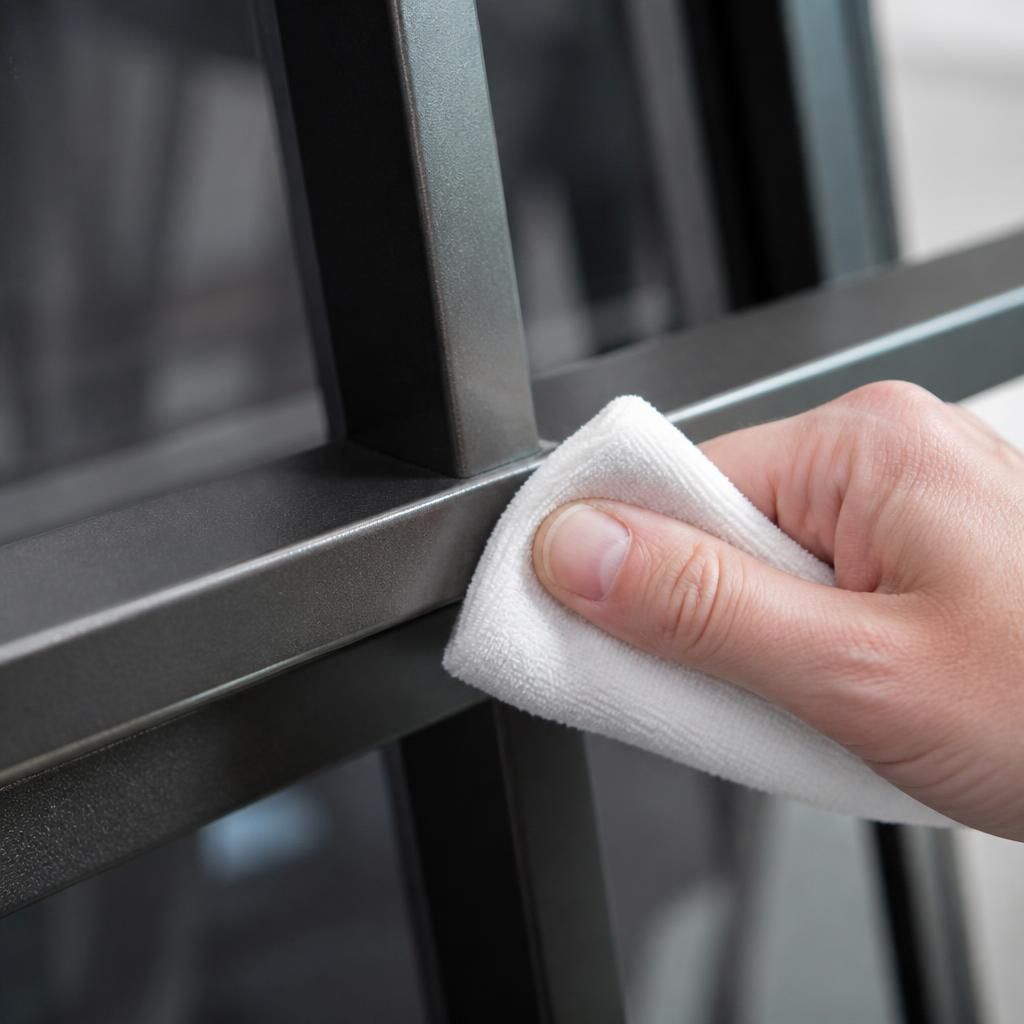
Maintain powder coated aluminium by washing it with clean water and a mild, pH-neutral detergent using a soft cloth or sponge, then rinsing and drying it thoroughly. Avoid abrasive cleaners, harsh chemicals and aggressive tools, and inspect the coating regularly for chips or damage so affected areas can be assessed and repaired before corrosion develops.
Maintaining powder coated aluminium depends on more than routine washing. The coating’s service life is influenced by the original powder specification, the surrounding environment, the way the component is designed and installed, and how quickly damage or contamination is dealt with. A suitable coating can retain its colour and finish for many years, but correct care is needed to limit fading, staining, corrosion at exposed areas and mechanical damage.
Consider the exposure conditions when selecting the coating. Aluminium used indoors generally faces less severe weathering than components exposed to strong sunlight, persistent moisture, industrial pollutants or coastal conditions. Ultraviolet exposure can gradually affect colour and gloss, while salt deposits and airborne contaminants can hold moisture against the surface. Where the component will be installed in a demanding environment, the powder system and pretreatment should be selected for that exposure rather than chosen on appearance alone.
Colour and finish also influence how ageing is perceived. Dark or highly saturated colours may show dust, water marks and light surface scratches more readily than pale, lower-sheen finishes. Gloss finishes can make surface contamination more noticeable, whereas textured or matt finishes may disguise minor marks but can be more difficult to clean if deposits become embedded in the texture. This does not mean one finish is universally more durable; the suitability of the coating system and the conditions of use remain the more important factors.
Prevent water and debris from becoming trapped. Good component design and installation should allow rainwater to drain away rather than collect in corners, joints, recesses or around fixings. Persistent dampness can encourage corrosion where the coating has been breached and can leave visible staining on the aluminium. Drainage holes should remain clear, and sealants, gaskets and adjacent materials should not create pockets that retain moisture. Components should also be installed so that coated faces are not placed in constant contact with wet, dirty or chemically contaminated surfaces.
Take care when handling and installing coated parts. Dragging aluminium across work surfaces, stacking components without suitable separation, or tightening fixings against the coating can cause scratches, pressure marks and local damage. Protective packaging should be removed in accordance with the coating supplier’s guidance, particularly where adhesive residues could remain on the surface. If temporary protection is used, it should not be left in place for longer than recommended or exposed to conditions that could bond it to the finish.
Keep incompatible materials away from the coating and exposed aluminium. Contact between aluminium and certain metals can create galvanic corrosion when moisture is present. Suitable washers, spacers, coatings or sealants may be needed where dissimilar metals meet. Wet concrete, mortar, plaster, cement dust and some building chemicals can also mark or attack a coated surface. During construction, coated components should be protected from splashes and dust, and any deposits should be removed using a method compatible with the coating rather than scraped away after they have hardened.
Inspect areas that receive frequent contact or movement more closely than protected faces. Edges, corners, drilled holes, cut ends, fasteners, hinges and sliding interfaces are more vulnerable because the coating may be thinner, interrupted or subject to friction. A maintenance record can help identify recurring problems, such as water collecting at one joint or repeated impact at a loading point. Correcting the cause is preferable to repeatedly treating the visible mark.
Deal with coating damage according to its extent. A small superficial mark may be suitable for an approved repair product, but touch-up paint is not automatically equivalent to the original baked powder coating. It may differ in colour, gloss, texture, weathering behaviour and corrosion protection. Larger damaged areas, exposed edges, bubbling, lifting or corrosion beneath the coating should be assessed by a coating professional. Recoating may require controlled preparation, removal of contamination, treatment of corrosion and application of a compatible system; simply covering the affected area can trap the problem underneath.
When a component is being refurbished, record the existing colour, gloss level, texture and coating type where possible. Matching a finish visually can be difficult, especially after years of ultraviolet exposure. A replacement powder may look different from the surrounding aged coating even when the nominal colour reference is the same. For visible assemblies, it may therefore be preferable to plan treatment around complete faces, panels or sections rather than isolated patches, subject to the component’s design and condition.
For industrial installations, maintenance should be proportionate to the environment and the consequences of failure. Include coated aluminium in scheduled inspections, look for changes in gloss or colour as well as physical damage, and pay particular attention to joints, fixings and areas exposed to process contamination. Keeping records of the coating specification and installation conditions makes future repairs and recoating decisions more reliable. Where appearance is critical or exposure is severe, consult a powder coating specialist before selecting a repair method or replacement finish.
Adhesive labels, tapes and protective films can affect powder coated aluminium if their backing materials or residues are incompatible with the finish. They may leave staining, attract dirt or become difficult to remove after prolonged exposure to heat and sunlight. Use only products approved for powder-coated surfaces, avoid leaving them in place longer than necessary, and test removal on an inconspicuous area before applying solvents or adhesive removers to visible faces.