

What steps are involved in the application of high gloss silver powder coating on aluminium components?
High gloss silver powder coating on aluminium components involves cleaning and preparing the surface, applying any required pretreatment, masking areas that must remain uncoated, and spraying the powder electrostatically. The coated components are then oven-cured to fuse the powder into a continuous finish before the coating is inspected for coverage, appearance and defects.
Applying a high gloss silver powder coating to aluminium is a controlled finishing process in which the component is assessed, prepared, coated with a suitable silver powder and heat-cured to produce a smooth, reflective surface. The exact sequence is adjusted for the aluminium alloy, component geometry, required appearance and intended service conditions.
- Review the component and coating requirements. Before processing, the coater considers the aluminium grade, dimensions, wall thickness, jointed areas, existing finish and any features that could affect coating access. The required gloss level, colour, durability, film build and areas that must remain uncoated should be agreed at this stage. Drawings or marked-up samples can help identify threaded holes, bearing faces, electrical contact points and other critical surfaces.
- Check the incoming condition. Aluminium components are examined for oil, corrosion, oxidation, scratches, burrs, weld contamination, adhesive residue and previous coatings. Defects that remain beneath the powder can affect both appearance and adhesion, so surface condition is considered before the component enters the coating line. Any fabrication issues, sharp edges or difficult-to-reach sections may need to be addressed before finishing.
- Prepare the surface for adhesion. The preparation method is selected to remove contamination and create a suitable key without damaging the aluminium. Depending on the component, this can involve degreasing, mechanical preparation, controlled blasting or other approved cleaning methods. Aluminium oxide forms naturally on the surface, so preparation must be consistent; simply removing visible dirt is not always sufficient for a reliable coating bond.
- Apply the aluminium pretreatment. A chemical pretreatment may be used to improve adhesion and resistance to corrosion at the coating interface. The treatment must be compatible with aluminium and applied evenly, followed by the appropriate rinsing and drying stages. Poor rinsing, retained moisture or handling contamination can lead to blistering, loss of adhesion or visible defects later in the process.
- Dry and position the component. Components need to be free from moisture before powder application. They are mounted on suitable racks or fixtures, with contact points selected to support the part while limiting uncoated marks to acceptable locations. The arrangement also needs to allow the spray equipment to reach faces, recesses and edges without creating excessive shadowing.
- Protect areas that must remain bare. Heat-resistant masking materials, plugs or caps can be used for holes, threads, mating faces, earth points and other exclusion zones. Masking has to withstand the curing stage and remain secure during spraying. Its design is particularly important on high gloss finishes because overspray or a ragged mask edge is readily visible.
- Apply the powder electrostatically. The spray gun charges the powder particles, while the earthed aluminium component attracts them to its surface. The operator controls gun distance, movement, powder flow and voltage to achieve even coverage. Corners, recesses and Faraday cage areas may require adjusted technique because electrostatic forces can make powder deposition less consistent in enclosed or sharply angled sections.
- Manage the silver finish during application. High gloss silver powders can show variations caused by uneven film build, contamination, poor grounding or inconsistent spray technique. The powder must be distributed uniformly across visible faces, edges and less accessible areas. Components intended to be viewed together should be processed under consistent conditions to reduce differences in tone or reflectivity.
- Cure the coating according to the powder specification. Once sprayed, the component enters an oven where the powder melts, flows and chemically cures into a continuous film. The relevant cure condition relates to the metal temperature, not simply the time that the component spends in the oven. Component thickness, mass and loading can affect how quickly the aluminium reaches the required temperature, so the cure cycle must be suitable for the part and the selected powder.
- Inspect the finished component. After cooling, the coating is checked for coverage, gloss, colour consistency, runs, pinholes, craters, inclusions, exposed edges and masking accuracy. Where specified, checks may also include coating thickness, adhesion and cure. Inspection should take account of the component’s intended viewing distance and function, while critical faces and contact areas receive particular attention.
- Remove masking and complete the finish. Masking is removed carefully to avoid lifting the coating or leaving residue. Threads, holes and contact points are checked for obstruction, and any permitted finishing operations are carried out without damaging the surrounding silver surface. Components are then handled and packaged in a way that prevents scratching, rubbing or contamination before delivery.
Aluminium requires particular process control because it conducts heat efficiently, develops a natural oxide layer and can contain enclosed sections that retain moisture or release gases during heating. Castings and porous parts may also outgas in the oven, producing pinholes or blisters. Identifying these risks before coating allows the preparation, preheating or curing approach to be considered rather than treating defects after they appear.
For batch work, repeatability is important. Parts should be presented consistently, the powder and application settings should remain controlled, and comparable components should be cured under equivalent conditions. A sample or first-off component can be useful where the silver shade, gloss, masking arrangement or coverage of a complex shape needs confirming before a larger batch proceeds.
The finished result depends on more than the powder colour. Aluminium condition, pretreatment, grounding, application technique, film build, oven performance and handling all influence the final high gloss silver appearance. Clear technical requirements and accurate drawings help the coater select a suitable process and identify any surfaces that require special treatment before production begins.
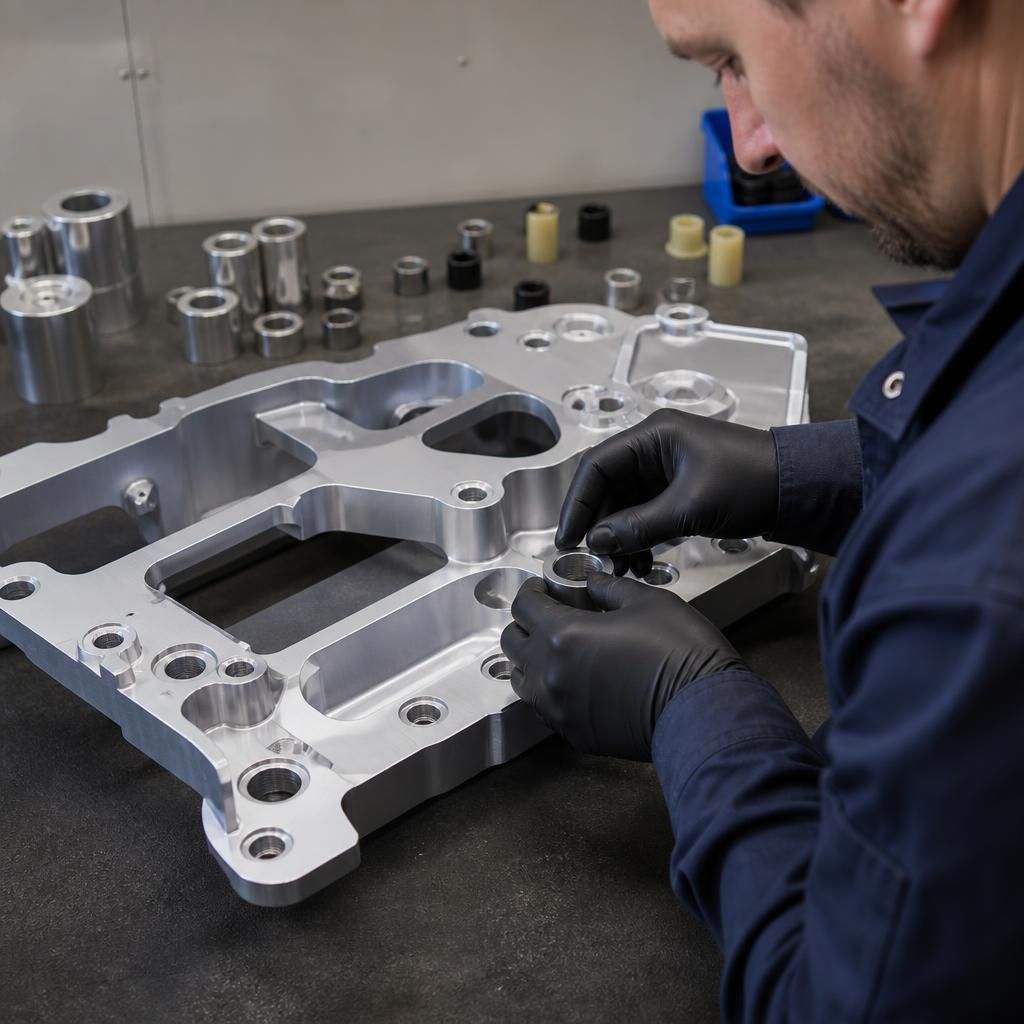
Before coating begins, the component must be suitable for both electrostatic application and oven curing. Heat-sensitive inserts, seals, lubricants, electronics or temporary assembly aids may need to be removed, while parts that cannot be electrically grounded may require a different fixture or preparation approach. Confirming these constraints before spraying helps prevent damage during curing and avoids areas where the powder cannot deposit consistently.
Discuss Your High Gloss Silver Aluminium Coating Requirements
Share your component drawings, quantities, finish requirements and any areas that must remain uncoated so the coating requirements can be reviewed accurately. Contact Powder-coatings.co.uk to discuss your high gloss silver aluminium coating project.