

What are the maintenance requirements for high gloss silver powder-coated aluminium?
High gloss silver powder-coated aluminium requires regular gentle cleaning, periodic inspection and prompt attention to chips, scratches or areas where the coating has been damaged. Use clean water with a mild, pH-neutral detergent and a soft cloth or sponge, avoiding abrasive tools, aggressive chemicals and prolonged deposits of dirt or pollutants that could mark the finish.
Maintenance of high gloss silver powder-coated aluminium is mainly preventive: control the component’s exposure to moisture, contaminants and mechanical damage, while ensuring that any coating defect is assessed before corrosion can develop beneath it. The required attention depends on the installation environment, the way the component is used and whether water, salt, chemicals or airborne pollutants can collect on its surface.
Manage the surrounding environment
- Make sure the design and installation allow water to drain away rather than remain trapped against the coated aluminium.
- Keep joints, recesses, channels and fixings free from accumulated material that could retain moisture or contaminants.
- Where components are installed outdoors or near roads, industrial processes or coastal air, account for the greater exposure to salt and pollutants when planning maintenance.
- Prevent contact with wet materials, treated timber residues, cement, mortar, plaster and other substances that may stain or attack the finish during construction or later alterations.
Protect the coating from mechanical damage
Powder coating is durable, but it is not immune to impact or abrasion. Avoid dragging aluminium parts across hard surfaces, leaning tools against them or using them as supports for other materials. During maintenance work on adjacent structures, cover the coated surface with a clean, non-abrasive protective material and prevent grit, swarf or sharp debris from becoming trapped between the covering and the finish.
Pay particular attention to edges, corners, handles, brackets, access points and areas subject to repeated contact. These locations are more likely to experience localised wear than broad, uninterrupted faces. Any impact that exposes the aluminium substrate should be treated as a repair issue rather than simply concealed with an unsuitable touch-up product.
Use compatible repair methods
Minor marks should be assessed according to their depth and extent. A superficial blemish may only affect the appearance, whereas a chip through the coating can allow moisture to reach the aluminium and surrounding coating edge. Do not abrade a damaged area aggressively or apply an unverified solvent, paint or sealant. Repair materials need to be compatible with the existing powder-coated finish and suitable for aluminium; otherwise, the repair may discolour, lose adhesion or become more visible than the original defect.
For larger damaged areas, repeated coating failure, bubbling, lifting or corrosion staining, obtain a technical assessment before attempting remedial work. Local repair may be appropriate in some situations, while extensive deterioration may require removal of the affected finish and professional recoating. The correct option depends on the substrate condition, component geometry and the cause of the damage.
Check fixings and adjacent materials
Maintenance should include the fittings and interfaces around the aluminium, not just the visible powder coat. Loose fixings can create movement and rubbing, while incompatible metals in a damp environment may contribute to galvanic corrosion. Inspect washers, brackets, joints and sealants for movement, breakdown or trapped moisture. Replace defective components with materials and finishes suitable for use with powder-coated aluminium, following the component designer’s or installer’s guidance.
Also check that sealants and gaskets have not hardened, split or pulled away from the joint. Failed seals can direct water behind the coated aluminium, where damage may remain hidden until staining, blistering or corrosion becomes visible.
Maintain the appearance of a high gloss finish
High gloss surfaces can make fine smears, water marks and uneven residues more noticeable than textured or matt finishes. After any maintenance operation, check the surface in consistent lighting for changes in sheen, streaking or localised dullness. Do not try to restore gloss by polishing with automotive compounds, abrasive pads or cutting products unless the coating manufacturer has specifically approved the method. Such treatments can alter the surface profile and produce a visibly different area.
Keep a simple record of the maintenance performed, the areas examined and any defects found. This is useful for components installed as part of a larger building, production line or vehicle-related assembly because it helps distinguish normal surface marking from progressive coating failure and supports planned remedial work.
In summary, long-term care involves controlling water and contaminant retention, preventing impact and abrasion, checking fixings and seals, and using compatible repair methods when the coating is damaged. The more aggressive the service environment or the greater the risk of physical contact, the more closely the maintenance plan should be matched to the component’s actual operating conditions.
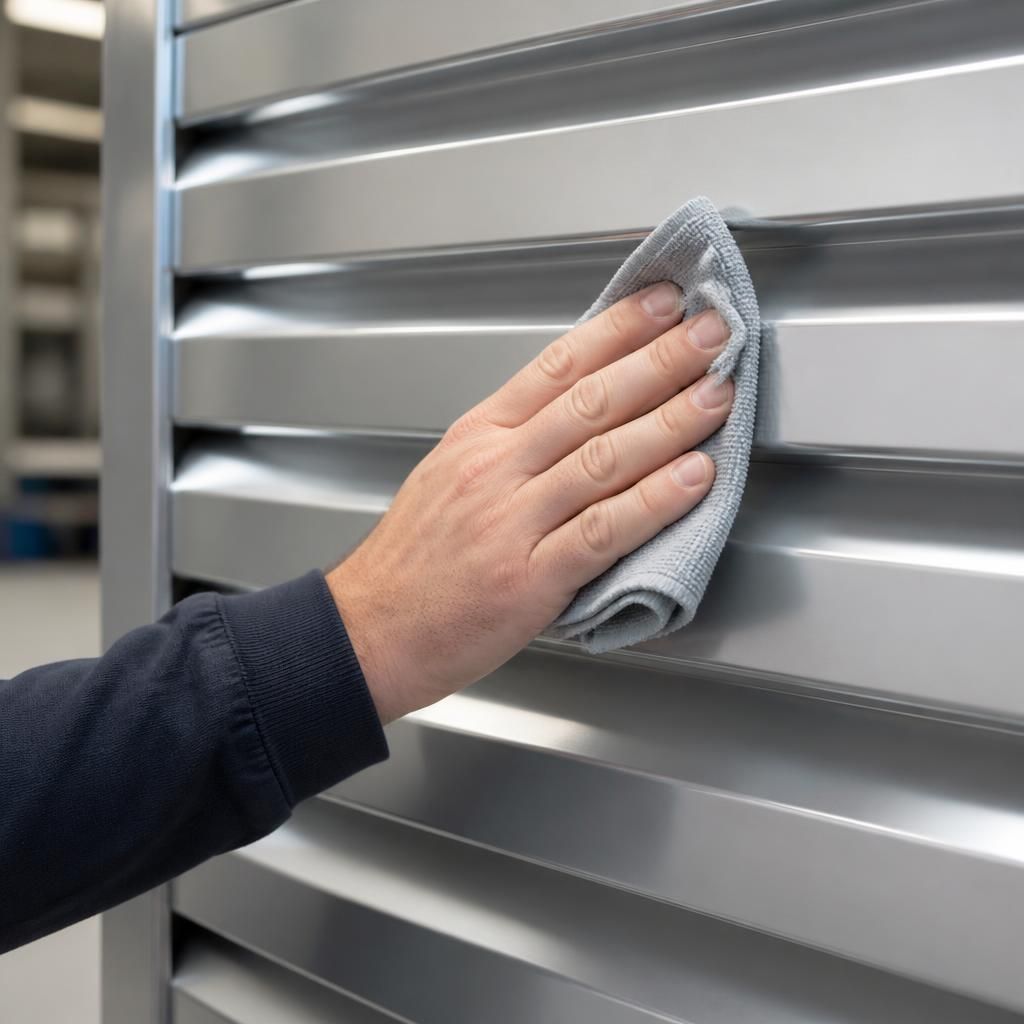
Cleaning equipment should be selected to avoid concentrating force or heat on the powder-coated surface. A soft cloth or sponge is appropriate for routine care, while abrasive pads, stiff brushes, steam cleaners and high-pressure jets should be avoided unless the coating manufacturer has approved their use. Excessive pressure can drive water into joints and vulnerable edges, while aggressive contact may change the appearance of a high gloss finish.
When cleaning components with intricate profiles, work around corners, grooves and interfaces carefully rather than forcing equipment into narrow gaps. Remove loosened residue with a clean rinse and dry the surface using a soft, clean material so that remaining deposits do not leave visible marks on the silver finish.