

How does the high gloss silver powder coat protect aluminium from environmental damage?
High gloss silver powder coating protects aluminium by forming a continuous, cured barrier that limits contact with moisture, pollutants and corrosive contaminants. Its weather-resistant finish also helps reduce UV-related fading and surface degradation, preserving the component’s appearance and providing durable protection in outdoor environments.
High gloss silver powder coat protects aluminium by combining a properly prepared substrate with a tough, cured polymer film. The coating reduces the opportunity for electrochemical corrosion to develop, helps preserve the bond between the finish and the metal, and provides a resilient surface against the physical and chemical conditions that can damage exposed aluminium.
Aluminium naturally forms a thin oxide layer, but this is not a complete substitute for a protective coating in demanding environments. Powder coating adds a controlled barrier over the face of the component, while suitable pretreatment helps the coating adhere to the aluminium and reduces the risk of premature lifting, blistering or flaking. This is particularly important around edges, recesses, drilled holes and joints, where contamination or inadequate coverage can create vulnerable points.
The protection depends heavily on the preparation and application process. Before coating, aluminium should be cleaned of oil, dirt, oxidation and other residues. A suitable conversion or pretreatment stage can improve adhesion and provide additional support beneath the powder film. The powder must then be applied evenly and cured at the specified conditions so that the particles fuse into a coherent finish. If the film is under-cured, over-cured or unevenly applied, its resistance to environmental exposure may be reduced.
Once cured, the finish helps limit several common routes to damage:
- Electrochemical corrosion: isolating the aluminium from conductive deposits reduces the conditions needed for localised corrosion. Scratches, chips and exposed edges still require attention because they can allow corrosion to begin beneath or alongside the coating.
- Salt and chemical deposits: coastal air, road salts, cleaning residues and industrial contaminants can remain on a surface and attack exposed metal over time. A sound coating reduces direct contact, although deposits should still be removed through appropriate cleaning.
- Abrasion and handling damage: the cured film gives the component a harder wearing surface than bare aluminium, helping it withstand routine contact, transport and handling. It is not immune to impact, cutting tools or aggressive abrasion.
- Thermal movement: aluminium expands and contracts as temperatures change. Good adhesion and correct curing help the finish remain attached as the substrate moves, reducing the likelihood of cracking or separation.
- Water retention at design features: coating protects the accessible metal surface, but standing water in unsealed joints, poorly drained recesses or overlapping sections can still create a corrosion risk. Component design and drainage are therefore part of the overall protection strategy.
The high gloss surface also makes defects and deposits easier to identify during inspection. Small chips, scratches, staining or areas of lifting can be dealt with before they expose a larger area of aluminium. Cleaning should use methods and products suitable for powder-coated surfaces; harsh abrasives and incompatible solvents can damage the finish and create the very weakness the coating is intended to prevent.
Powder coating is not a repair for contaminated or corroded aluminium, and it cannot compensate for poor preparation, unsuitable coating selection or defects introduced after application. The expected level of protection should therefore be matched to the environment, including exposure to salt, chemicals, moisture, abrasion and temperature changes. For components used outdoors or in demanding industrial settings, specifying the pretreatment, powder system, film coverage and curing requirements together provides more reliable protection than considering the colour or gloss level alone.
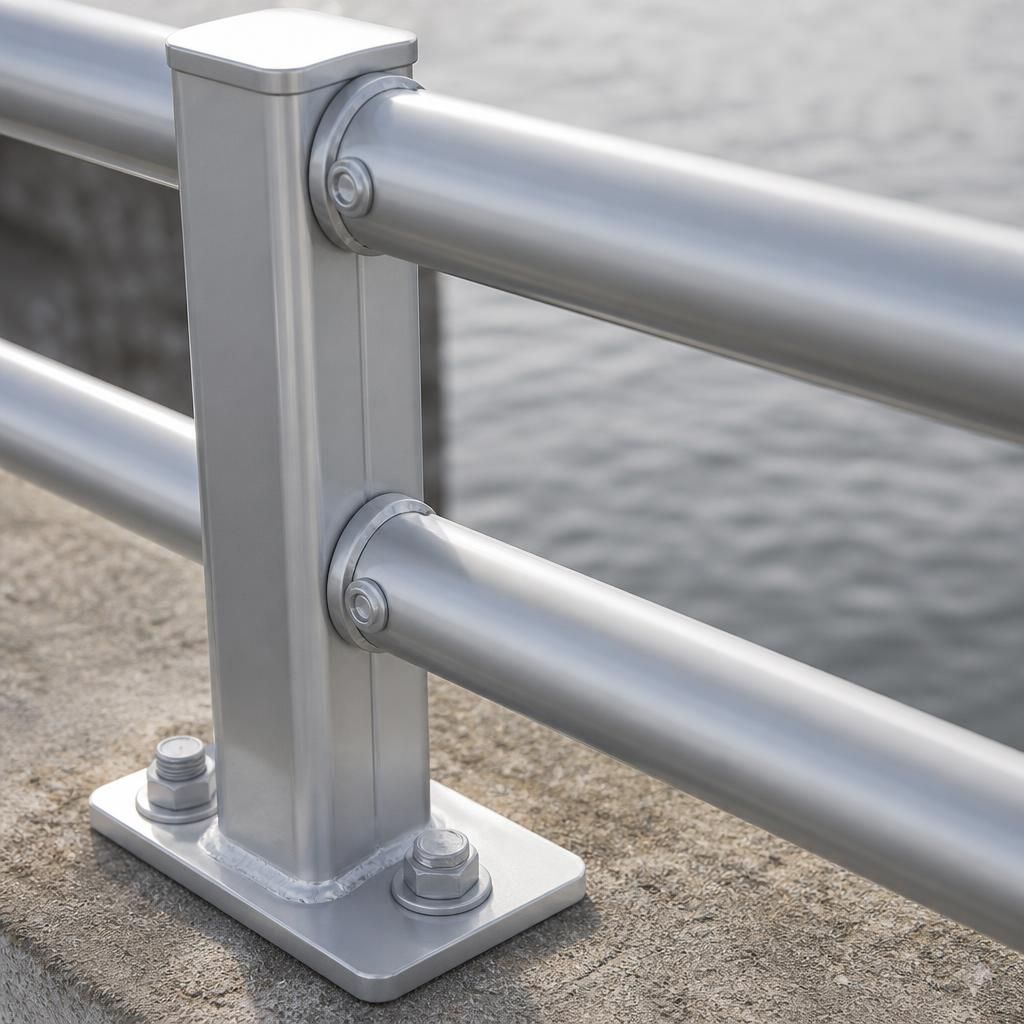
High gloss silver powder coating can also help reduce galvanic corrosion where aluminium is installed alongside dissimilar metals. An intact, non-conductive coating separates much of the aluminium surface from moisture and conductive contact with materials such as steel or copper, limiting the electrical interaction that can accelerate metal loss.
This protection depends on the interface remaining properly sealed. Cut edges, fasteners, damaged areas and joints may still provide contact points where water can collect and galvanic activity can develop. For assemblies using different metals, the coating should therefore be considered alongside suitable fixings, seals, drainage and joint design rather than as the only protective measure.
Discuss Your Aluminium Powder Coating Requirements
Discuss your aluminium components with the powder-coating team, including their operating environment, dimensions, quantities and required finish, to establish suitable preparation and coating requirements. Contact Powder-coatings.co.uk to request guidance for your project.