

What are the environmental benefits of using powder coated aluminium products?
Powder coated aluminium products can reduce environmental impact through low-VOC, solvent-free finishing, lower material waste and long-lasting protection that reduces the need for replacement. Aluminium can also be recycled at the end of its service life, while the powder coating process produces a durable finish without the emissions associated with traditional wet paint.
Powder coated aluminium can have a lower environmental impact than many alternative metal finishing choices because it combines a relatively lightweight, recyclable substrate with a durable factory-applied finish. The overall benefit depends on the complete lifecycle: how the aluminium is produced, how efficiently the coating is applied and cured, how the component is transported, and whether the materials can be recovered at the end of use.
Efficient use of aluminium
Aluminium offers a high strength-to-weight ratio, allowing designers to meet functional requirements without automatically specifying a heavier metal section. Lower component weight can reduce the resources required for handling, transport and supporting structures, although the result depends on the product design and application. Powder coating protects the specified aluminium surface without requiring a separate decorative cladding layer, which can also help keep the construction of a component straightforward.
Improved material recovery at end of life
The environmental value of aluminium is strongest when products are designed for recovery rather than disposal. Components should, where practical, be made so that aluminium can be separated from other metals, plastics, rubber and fixings. Avoiding unnecessary bonded combinations and recording the material specification can make dismantling and recycling easier. The powder coating does not remove the underlying value of the aluminium, but mixed-material assemblies may still require additional processing.
More controlled factory application
Powder coating is carried out in a controlled production environment, where application equipment, curing conditions and surface preparation can be managed consistently. This supports accurate coating coverage and makes it easier to monitor material handling than an uncontrolled site-applied finish. Overspray management and suitable filtration or recovery systems can further improve the process, subject to the equipment and operating practices used by the coating facility.
The environmental performance of the process should not be assessed by the coating material alone. Pretreatment chemicals, rinse water, booth filtration and oven operation all form part of the manufacturing footprint. A responsible coating specification therefore considers the complete process, including how wastewater and process residues are managed and how curing equipment is operated.
Lower maintenance resource demand
A correctly specified finish can reduce the need for frequent repainting or intensive remedial work during the product’s use. This can limit the consumption of additional coatings, preparation materials, cleaning products, packaging and transport associated with maintenance. The result is application-dependent: exposure conditions, cleaning methods, edge design, surface preparation and the selected coating system all affect environmental performance.
How to make a lower-impact specification
- Select the coating system for the actual exposure conditions rather than specifying unnecessary performance or coating thickness.
- Use a design that allows aluminium parts and other materials to be separated at the end of service.
- Confirm that the applicator has suitable controls for powder handling, filtration, pretreatment and process residues.
- Consider local collection and delivery arrangements when comparing suppliers, since transport forms part of the product’s environmental impact.
- Assess the whole lifecycle rather than relying on a single claim about the finish or substrate.
For industrial buyers, the most useful evidence may include the aluminium grade and source, the coating system, pretreatment method, curing requirements and end-of-life considerations. Powder coated aluminium is not automatically the lowest-impact option in every application, but a well-designed component and a properly controlled coating process can support more responsible material use across the product lifecycle.
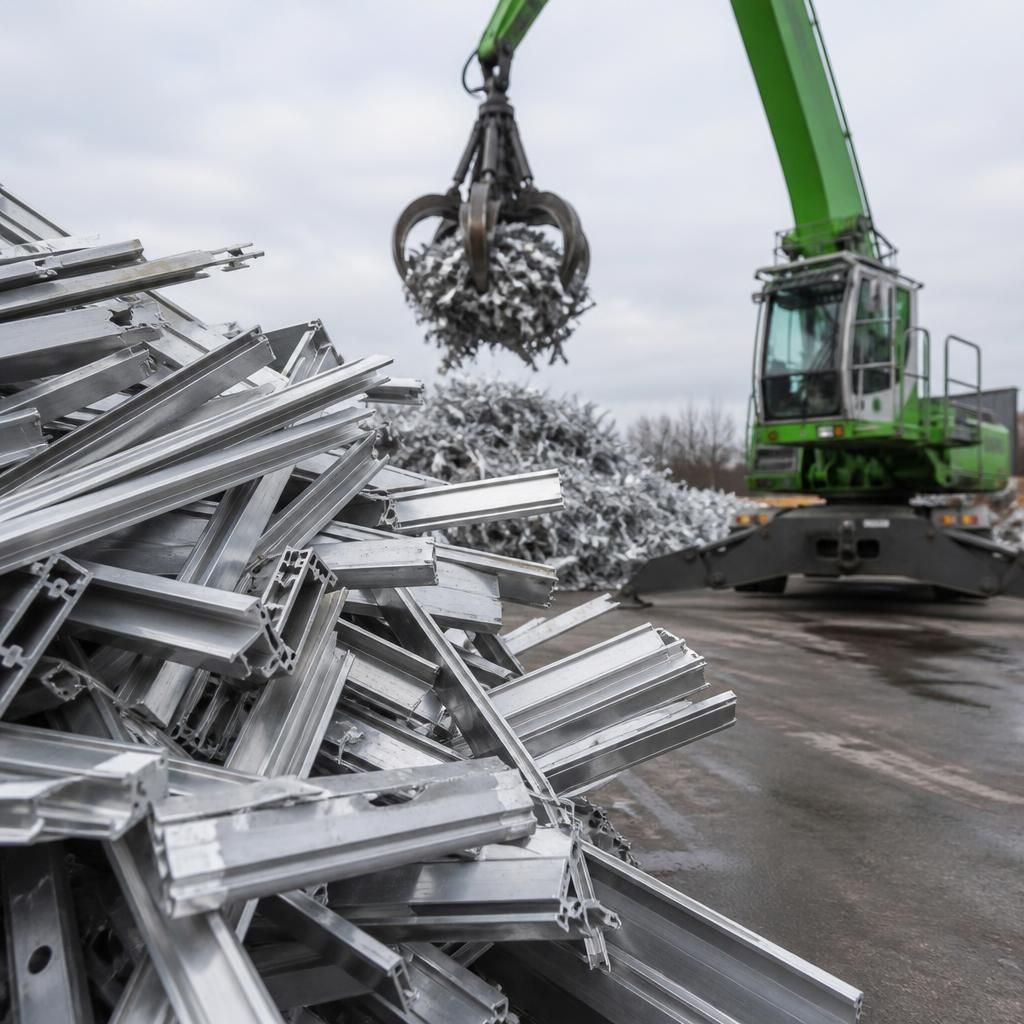
One environmental benefit of powder coated aluminium products is that the finish can be specified alongside recycled aluminium, reducing reliance on newly produced metal. Aluminium retains its material value when recycled, and remelting recovered aluminium generally requires less energy than producing primary aluminium from ore.
When assessing this option, ask for the aluminium grade, recycled content and supporting supply-chain information rather than treating the powder coating alone as proof of lower impact. The coating provides surface protection while the aluminium remains suitable for recovery at the end of the product’s service life, provided the design allows the material to be separated from incompatible components.
Discuss the Environmental Benefits of Powder Coated Aluminium Products
For help assessing the environmental considerations of a powder coated aluminium specification, discuss your component design, coating requirements and end-of-life plans with the team. They can help identify the information needed to evaluate the complete lifecycle impact.