

How does the polyester powder coating process ensure durability and visual appeal on aluminium surfaces?
Polyester powder coating ensures durable, visually consistent aluminium finishes by preparing the surface, applying charged powder evenly and curing it into a continuous protective film. The cured coating resists everyday wear and environmental exposure while providing a uniform colour and smooth appearance.
Polyester powder coating gives aluminium both durability and visual appeal by combining a chemically prepared surface with a controlled powder application, an accurately developed coating film and disciplined quality checks. The result depends not only on the polyester powder itself, but also on the aluminium alloy, component design, pretreatment, curing conditions and handling after coating.
Aluminium naturally forms an oxide layer, and its surface may also carry machining residues, lubricants or storage contamination. These can interfere with adhesion if they are not removed and treated correctly. The pretreatment stage therefore has two functions: cleaning the metal and creating a surface that allows the coating to bond reliably. The selected treatment should be compatible with aluminium and the intended service environment.
Component design affects the final finish as well. Sharp corners, recessed areas, blind holes and tightly joined sections can make it difficult to achieve consistent coverage. Suitable edge preparation and attention to drainage, masking and access help reduce thin spots, powder build-up and unwanted coating inside areas that must remain clear. This is particularly important for fabricated assemblies and components with complex profiles.
During application, the powder must be suited to the required exposure conditions and the chosen appearance. Polyester formulations are available in different colours, gloss levels and surface effects, so the specification should identify the required shade, sheen and texture rather than relying on colour names alone. The condition of the application equipment, grounding of the workpiece and movement of the spray system all influence how consistently the powder is deposited.
Curing develops the powder’s final properties. The coated aluminium must reach the required metal temperature for the correct period, rather than relying only on the temperature of the oven air. If the coating is under-cured, it may not achieve its intended hardness, adhesion or chemical resistance. Excessive or uneven heat can affect colour, gloss and the appearance of the surface. Load arrangement and component thickness therefore need to be considered when establishing the curing cycle.
Visual quality is assessed against an agreed specification and viewing conditions. Relevant checks can include colour consistency, gloss, texture, coverage, edge definition and the absence of defects such as runs, pinholes, inclusions or contamination. Consistent results are easier to achieve when parts are presented in a repeatable way, the same coating specification is retained for a project and sample approval is used where appearance is critical.
Durability also depends on what happens after curing. Aluminium parts should be protected from abrasion, impact and contamination during unloading, packing, transport and installation. Contact with incompatible materials or aggressive chemicals can damage an otherwise correctly applied finish. The coating specification should therefore reflect the part’s location, expected handling, exposure to sunlight or moisture and any cleaning agents likely to be used.
For businesses commissioning coated aluminium components, useful information includes the alloy or substrate condition, component dimensions, intended environment, required colour and finish, masking points and any areas subject to close visual inspection. Providing these details allows the coating process to be selected and controlled around the component’s actual use rather than appearance alone.
A specialist powder-coating service can assess these requirements before processing and coordinate collection and delivery for businesses across the Midlands and surrounding areas. The important measure is not simply whether powder has been applied, but whether the complete specification produces a well-adhered, correctly cured and visually consistent finish for the component’s intended application.
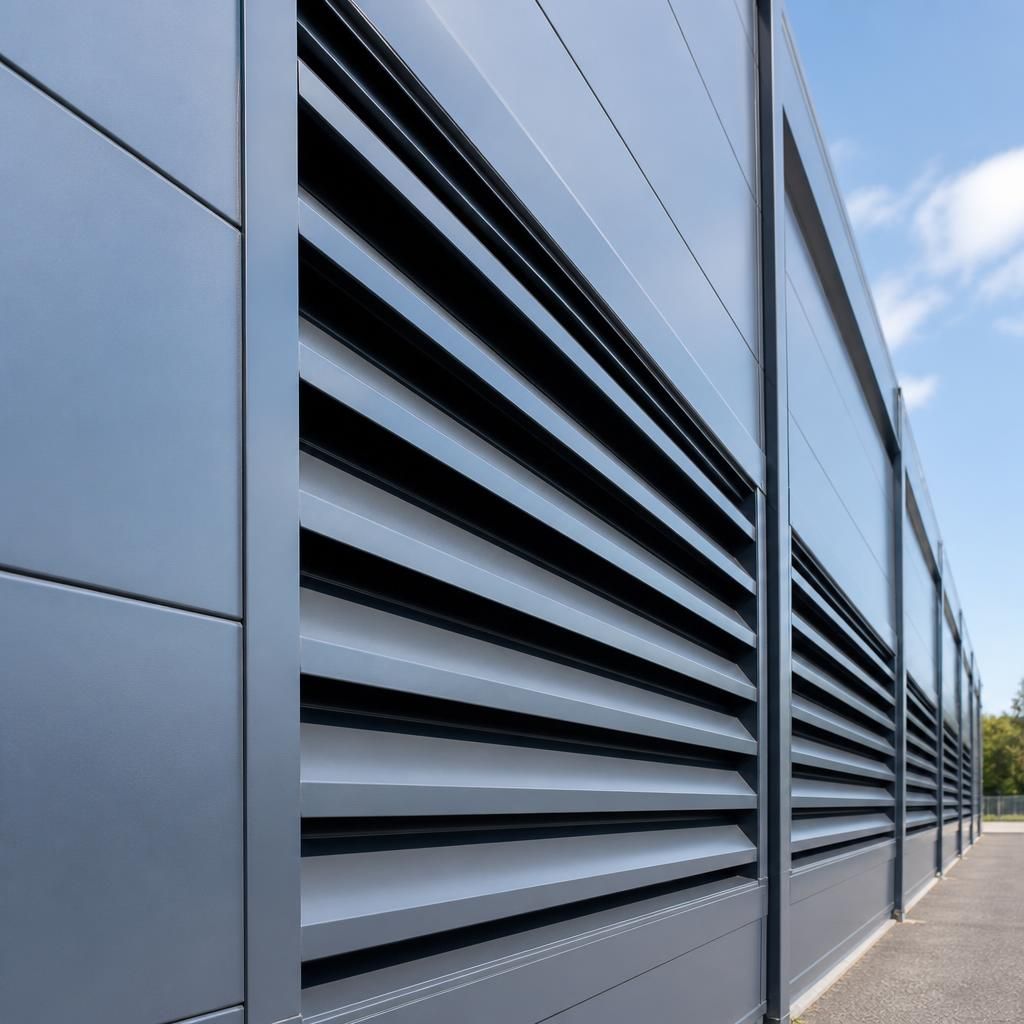
For aluminium used outdoors, long-term visual appeal depends largely on how the polyester coating withstands ultraviolet radiation, moisture and airborne pollutants. The resin and pigment system should therefore be selected for the exposure level rather than colour alone. An exterior-grade formulation helps the finish retain its intended colour and gloss, while a coating designed for a less demanding indoor environment may not provide the same weathering performance.
Colour, gloss and surface texture also affect how ageing is perceived. A clearly defined finish specification allows the coated surface to be assessed consistently and helps ensure that replacement or additional components match the original appearance. Where colour retention is especially important, the expected exposure should be discussed before coating so that the polyester system is appropriate for the aluminium’s location and use.
Discuss Your Aluminium Coating Requirements
Discuss your aluminium components, service environment and required finish with a powder-coating specialist to establish a suitable polyester coating specification. Providing drawings, substrate details and visual requirements at the outset helps determine the appropriate preparation, application and curing process.