

What specific applications benefit most from using nylon and special coatings on aluminium?
Nylon and special coatings are most beneficial on aluminium components exposed to abrasion, impact, moisture, chemicals or repeated handling, including machine parts, guards, brackets, racks, trays and conveyor components. They are also suited to applications requiring a tough, insulating or slip-resistant finish, provided the coating is selected for the operating environment and component design.
The aluminium applications that benefit most from nylon and special coatings are those where the component needs more than basic corrosion protection: for example, parts exposed to sliding contact, repeated impact, electrical separation, aggressive cleaning or demanding chemical conditions. The best results are achieved when the coating is selected around the component’s actual duty, including temperature, contact pressure, chemical exposure, dimensional tolerances and cleaning regime.
Material-handling and sliding applications
Nylon is particularly suitable for aluminium surfaces that guide, support or separate other materials. It can provide a tough working surface with useful slip and wear characteristics, reducing direct metal-to-metal contact in suitable designs. Examples include guide rails, chutes, wear strips, transfer surfaces and locating features used in production equipment. These applications benefit where aluminium’s low weight is valuable but its untreated surface would be vulnerable to scuffing, galling or repeated contact.
The coating specification still needs to reflect the load and movement involved. A surface subject to continuous sliding, concentrated point loading or abrasive particles may require a different formulation or coating thickness from a component that only experiences occasional contact.
Electrical and electronic equipment
Coated aluminium components can be useful in electrical assemblies where the metal substrate provides strength and heat dissipation, while the coating supplies separation between conductive surfaces. Suitable applications may include equipment panels, mounting features, protective covers and support components. Nylon and other specialist finishes can help reduce the risk of unintended contact where the design requires an insulating barrier.
Coating should not be treated as a substitute for the complete electrical design. The required dielectric performance, edge coverage, coating continuity, operating temperature and clearances must be defined before processing. Any application subject to formal electrical or safety requirements should be assessed against the relevant specification or test method.
Food, pharmaceutical and laboratory equipment
Aluminium components used around food production, laboratory processes or pharmaceutical handling can benefit from a finish that is easier to clean and more resistant to routine handling than bare metal. Suitable examples may include equipment frames, access panels, holders and non-product-contact fixtures. A specialist coating can also be considered where the component is exposed to repeated washing or cleaning chemicals.
These uses require careful selection. The coating must be compatible with the cleaning agents, temperatures and exposure times involved, and any product-contact application may require a specific compliance assessment. A finish that performs well in a dry manufacturing area may not be appropriate for frequent caustic, acidic or sanitising washes.
Automotive and transport components
Automotive applications can benefit where an aluminium part needs protection from handling damage, road contaminants, moisture or contact with adjacent components. Suitable examples may include selected brackets, housings, mounting parts, interior hardware and protective features, provided the coating is compatible with the component’s mechanical and thermal requirements.
For these parts, the specification should account for stone impact, vibration, joint movement, exposure to oils or cleaning products and the possibility of coating damage at fasteners or interfaces. Coating thickness is also important where parts fit together closely or where an electrical earth path must remain controlled.
Outdoor, marine and corrosive-service equipment
Aluminium used outdoors or near salt, industrial pollutants, moisture or process chemicals can benefit from a correctly selected protective coating. Applications may include equipment housings, access hardware, service components and fabricated assemblies where the finish must limit environmental attack and retain its functional surface.
Protection depends on more than the coating material. Edge preparation, drainage, masking, pretreatment, curing and the treatment of joints all affect performance. If the aluminium will be immersed, exposed to chemical vapour or placed in a marine atmosphere, those conditions should be stated before the coating system is chosen.
Components requiring a softer or more forgiving contact surface
Nylon can be valuable where aluminium must interface with glass, painted parts, plastics or finished products without creating an unnecessarily hard metal contact. It may be suitable for separators, locating surfaces, handling fixtures and protective contact points. The benefit is greatest when the coating’s hardness, resilience and friction properties match the mating material and the expected contact force.
Before selecting a nylon or special coating for aluminium, confirm:
- the main failure risk, such as wear, impact, chemical attack, electrical contact or surface marking;
- the operating temperature and any short-term temperature peaks;
- the chemicals, oils, solvents, detergents or salts encountered in service;
- the required coating thickness and the effect on fits, threads, holes and moving interfaces;
- the areas that must remain uncoated for earthing, assembly or dimensional control; and
- the required preparation, masking, curing and inspection standards for the finished component.
In practice, nylon is most appropriate when the aluminium needs a durable, functional contact surface, while a different special coating may be preferable for a particular chemical, temperature, insulating or environmental requirement. Reviewing the component drawing and service conditions before treatment helps identify the coating system that suits the application rather than choosing solely by material name.
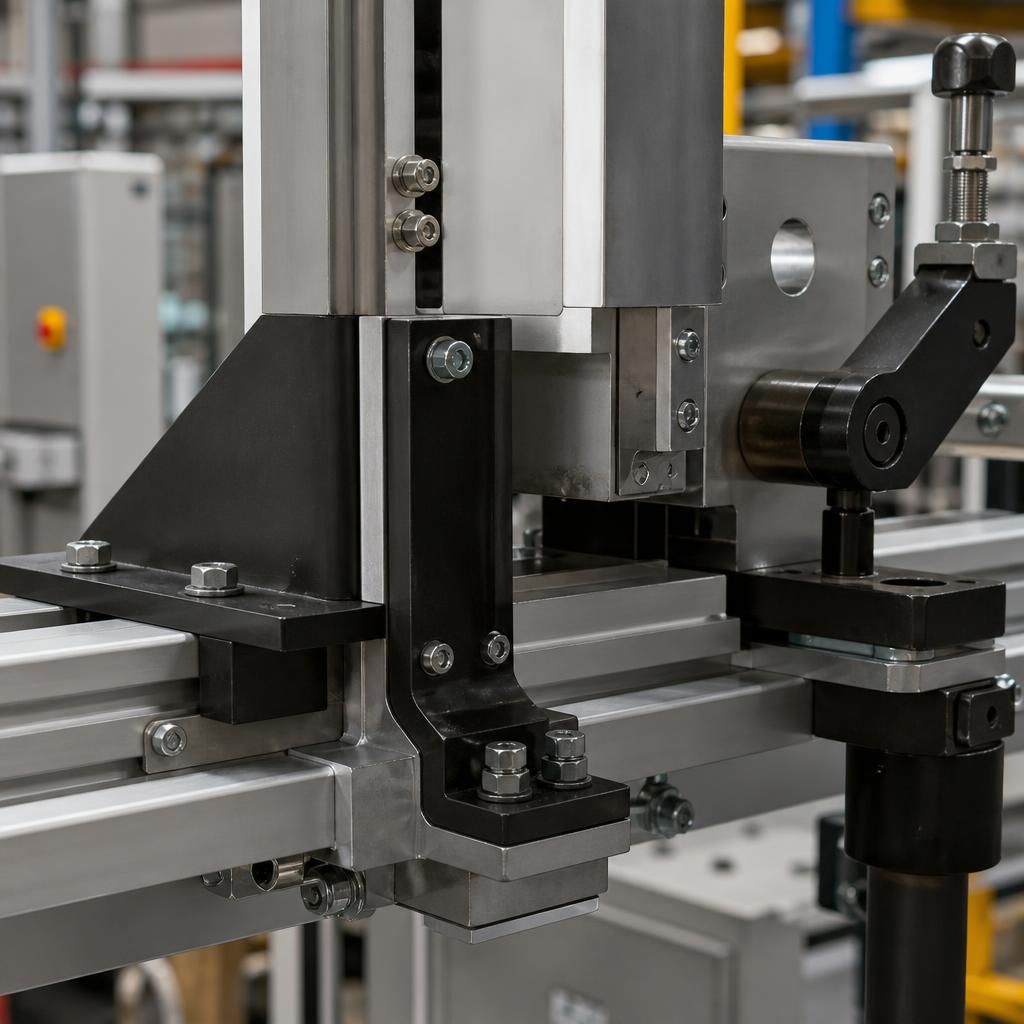
Aluminium components used in mixed-metal assemblies can benefit from nylon or other specialist coatings where direct contact with steel, copper or other conductive materials creates a risk of electrical interaction and surface damage. Typical examples include mounting brackets, clamps, equipment supports and fabricated interfaces within industrial machinery.
In these applications, the coating acts as a resilient separation layer while preserving the aluminium component’s low weight. The design must still account for fasteners, exposed edges, earth paths and areas where metal-to-metal contact is required. Coating selection is therefore most effective when the assembly drawing identifies the interfaces that need insulation and the points that must remain conductive.
Discuss the right coating for your aluminium application
Share your aluminium component drawing and service conditions for an informed review of the most suitable nylon or specialist coating system. Include details of operating temperature, contact surfaces, chemicals, tolerances and any areas that must remain uncoated.