

How do nylon and special coatings improve the performance and lifespan of aluminium components in corrosive environments?
Nylon and other specialist coatings protect aluminium components by creating a durable barrier against moisture, salts, chemicals and mechanical wear, helping to reduce corrosion and surface damage in aggressive environments. The correct coating system can therefore preserve the component’s function and appearance for longer, provided the aluminium is suitably prepared and the coating is matched to the exposure conditions.
Nylon and other specialist coatings improve the service life of aluminium in corrosive environments by controlling the ways in which the metal is exposed to its surroundings. They can reduce the effects of chemical attack, salt deposits, abrasion, impact and repeated handling, while helping the component retain the dimensional and surface characteristics required for its application.
Aluminium naturally forms a thin oxide layer, but this protection is not complete in every operating condition. Chlorides, acidic or alkaline contamination, trapped moisture and contact with dissimilar metals can cause localised attack, including pitting and galvanic corrosion. Once a pit or damaged area forms, corrosion can progress beneath contamination or around joints and edges. A suitable coating system separates the aluminium from these exposure mechanisms and reduces the likelihood that small areas of damage will develop into wider surface deterioration.
The performance benefits depend on the properties of the coating and the environment in which the component is used:
- Chemical resistance: specialist nylon formulations can be selected where components encounter oils, cleaning agents, process chemicals or other contaminants. The relevant chemical concentration, temperature and exposure duration must be considered, because resistance to one substance does not automatically indicate resistance to every chemical.
- Resistance to abrasion and impact: nylon coatings are useful where parts are subject to rubbing, sliding contact, handling or contact with other materials. Protecting the aluminium surface from repeated mechanical damage reduces the opportunities for corrosion to begin.
- Electrical isolation: a non-conductive coating can limit direct contact between aluminium and another metal or conductive contaminant. This can be important where galvanic corrosion is a risk, although fasteners, joints, cut edges and areas where the coating is damaged still require careful design.
- Surface retention: a robust finish can help maintain a component’s surface condition, appearance and functional contact properties in demanding service. This is relevant to housings, guards, brackets, fabricated parts and other aluminium items where deterioration could affect fit or operation.
- Environmental separation: specialist protective systems can be specified for particular combinations of moisture, salts, chemicals and mechanical loading rather than relying on a general-purpose finish for every application.
Coating thickness and coverage are especially important on aluminium components with corners, recesses, holes, joints or complex profiles. Thin areas, sharp edges and uncoated contact points can become preferential locations for damage or corrosion. The design should therefore allow the coating to cover the surfaces that need protection without interfering with threads, bearing faces, electrical earth points, close tolerances or drainage paths. Masking may be required where a coating would affect assembly or function.
Adhesion is another key factor in long-term performance. Aluminium surfaces can carry oxides, residues or contamination that prevent a coating from bonding consistently. The preparation and pretreatment process must be appropriate to the alloy, the component’s condition and the selected coating system. Good adhesion helps prevent lifting, flaking and underfilm deterioration when the finished part experiences handling, moisture or temperature changes.
Thermal movement also needs consideration. Aluminium and a coating expand and contract at different rates as temperatures change. If the component cycles between hot and cold conditions, the coating must remain sufficiently bonded and flexible for the intended service. The operating temperature, heating method, dwell time and cooling conditions should be provided when selecting the system. A coating that performs well in a static, moderate environment may not be suitable for repeated thermal cycling.
The correct choice is therefore based on the complete exposure profile rather than the material name alone. Useful information includes:
- the type and concentration of chemicals present;
- contact with seawater, road salt, wash-down water or other chloride sources;
- expected temperature range and thermal cycling;
- abrasion, impact, sliding contact and handling conditions;
- outdoor exposure, ultraviolet radiation and weathering requirements;
- required appearance, colour, texture and surface finish;
- dimensional tolerances and areas that must remain uncoated; and
- the intended cleaning, inspection and maintenance regime.
These details help determine whether nylon or another specialist coating is appropriate, and whether a particular formulation, thickness or finish should be used. In some cases, the main requirement is resistance to abrasion; in others, chemical exposure, electrical isolation or protection of a complex fabricated shape may govern the specification. Combining incompatible requirements without assessing them can lead to premature wear or coating failure.
A coating does not restore aluminium that has already lost significant section through corrosion, nor does it remove the need for sound component design. Drainage, joint detailing, compatible fasteners and the avoidance of moisture traps remain important. Coated parts should also be inspected for chips, exposed edges, blistering, cracking, lifting and changes around fixings. Prompt assessment of damage prevents a small defect from becoming a route for wider deterioration.
For B2B applications, the most reliable specification records the aluminium alloy, component dimensions, service environment, preparation requirements, coating type, colour or finish, critical masked areas and acceptance criteria. Where the duty is aggressive or unusual, representative testing or confirmation of chemical compatibility can be appropriate before committing a production batch. This approach links the coating to the actual failure risks and gives the finished aluminium component a better basis for durable service in a corrosive environment.
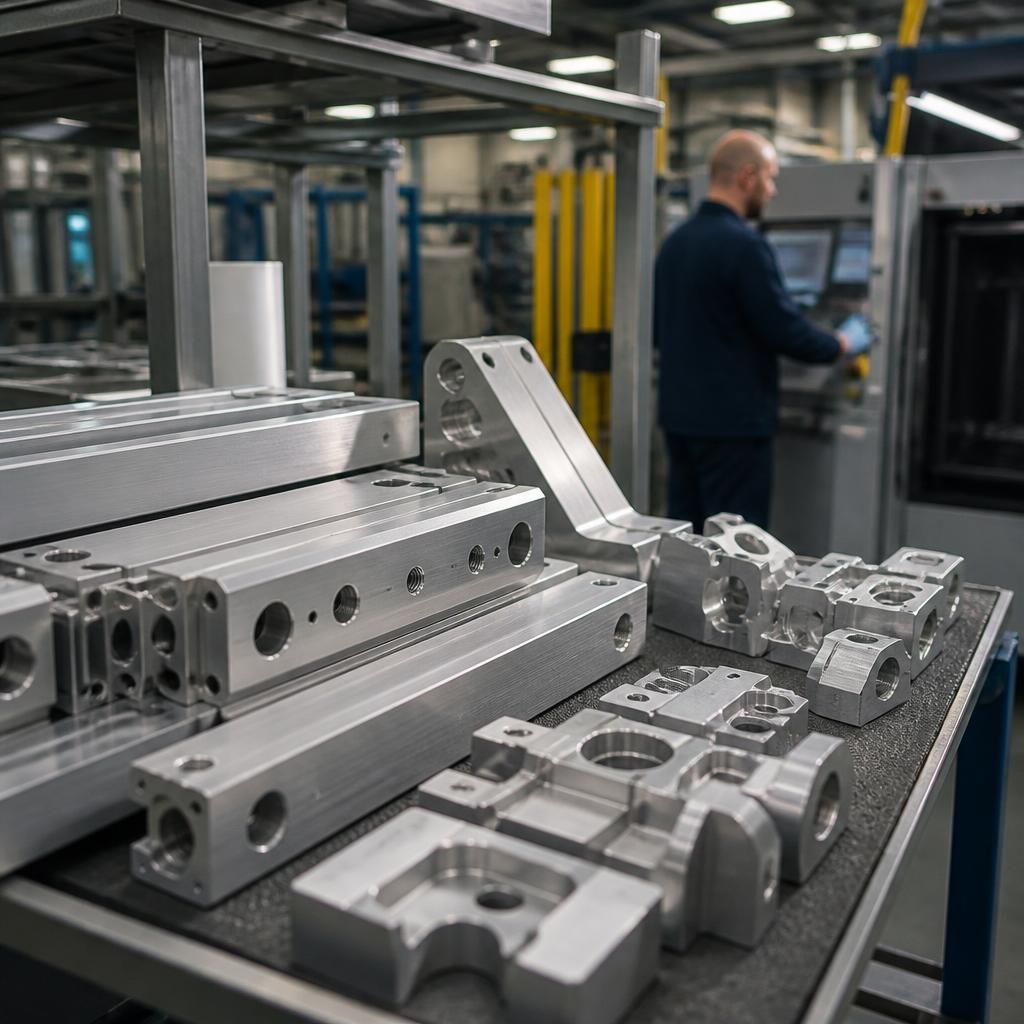
The aluminium alloy and its condition influence how well a nylon or specialist coating performs in a corrosive environment. Wrought, cast, machined and previously coated components can present different surface characteristics, including variations in oxide formation, porosity and retained residue. Pretreatment should therefore be selected for the specific alloy and component history rather than applied as a standard step without assessment.
Good pretreatment creates a stable foundation for the coating, helping it remain bonded when the component is exposed to moisture, chemicals and temperature changes. For production batches, consistent preparation is particularly important because differences in cleaning, surface condition or handling between parts can produce uneven coating performance even when the same nylon formulation and application settings are used.
Discuss Your Aluminium Coating Requirements
Discuss your aluminium components with our coating specialists, providing details of the alloy, dimensions, operating environment and required finish. This allows the coating system and preparation requirements to be considered against the component’s actual corrosive exposure.