

How does the pretreatment process influence the quality and longevity of aluminium powder coating?
Pretreatment improves aluminium powder coating by removing contaminants, preparing the surface and creating conditions for strong, consistent adhesion. Effective cleaning, rinsing and conversion treatment help the coating resist corrosion, flaking and premature deterioration, supporting a longer-lasting finish.
Pretreatment has a direct effect on the performance of aluminium powder coating because it controls the condition and chemical stability of the surface beneath the powder film. A correctly selected and controlled system helps the coating bond to the aluminium, limits under-film corrosion and provides a consistent foundation for the powder to cure.
Aluminium naturally forms a thin oxide layer when exposed to air. This layer is not necessarily a problem, but its condition can vary across a component and it may contain residues from fabrication, handling or storage. Oils, cutting fluids, fingerprints, dust, marking products, weld contamination and remnants of previous treatments can prevent the coating from contacting sound metal. If these materials are not dealt with, the finished surface may show poor adhesion, blistering, cratering or localised corrosion.
The pretreatment sequence is therefore more than a preliminary wash. It is a controlled preparation process in which each stage affects the next. Typical stages may include:
- Degreasing: removes oils, lubricants and handling residues that water-based cleaning alone may not displace.
- Rinsing: carries away loosened contamination and chemical residues. Poor rinsing can leave deposits that interfere with coating adhesion or create visible staining.
- Etching or deoxidising: conditions the aluminium surface by removing unsuitable oxide and, where appropriate, reducing residues from fabrication or alloying elements.
- Conversion treatment: creates a thin protective layer that improves the interface between the aluminium and the powder coating while helping to inhibit corrosion at the substrate.
- Final rinsing and drying: ensures that the surface reaches the spray stage without trapped moisture, salts or chemical carry-over.
The exact chemistry and sequence depend on the aluminium alloy, the component design, the intended service environment and the required finish. A process suitable for a relatively clean architectural extrusion may not be appropriate for a heavily machined part, a cast component or an item with welded areas. Different alloys can also respond differently to alkaline or acidic stages, so excessive or unsuitable treatment may cause uneven etching, staining or dimensional changes at the surface.
Surface profile is another important consideration. Light abrasion or specialist blasting may be used where the component has corrosion products, difficult residues or an existing coating that must be removed. The objective is not simply to make the aluminium look rough. The treatment must produce a clean, stable and suitably keyed surface without embedding abrasive material, rounding important edges or damaging fine features. Abrasive selection, pressure and cleaning after blasting all influence the final result.
Good pretreatment also reduces variation across complex components. Aluminium frames, tubes and fabricated assemblies may contain welds, joints, recesses and enclosed sections that drain differently during processing. If chemicals or rinse water remain in these areas, they can emerge during curing or cause local coating defects. Drainage holes, access for cleaning and the orientation of the component should be considered before coating. Parts that cannot be effectively rinsed or dried may require design changes, additional inspection or a different preparation method.
Drying is particularly important because residual moisture can lead to pinholes, bubbling or loss of adhesion when the powder enters the curing oven. Water trapped in joints or hollow sections may also create problems that are not visible immediately after spraying. Components should therefore be presented in a condition that allows all surfaces, cavities and contact points to dry properly before powder application.
Pretreatment influences longevity in two ways. First, it provides a reliable interface so that the coating is less likely to detach during handling, forming, impact or exposure to moisture. Secondly, it helps prevent corrosion from developing at small breaks or edges in the coating and spreading beneath the film. This is especially relevant where aluminium components will face condensation, road contaminants, industrial pollution, cleaning chemicals or outdoor exposure.
Edges, cut-outs, drilled holes and fabricated joints deserve particular attention. These areas can retain contamination, have a different oxide condition from the main face or receive a thinner powder film. Pretreatment cannot compensate for every design or application issue, but a suitable process combined with appropriate powder application and curing gives these vulnerable areas a better basis for long-term performance.
Process control is essential. A coating line should monitor factors such as chemical concentration, temperature, contact time, rinse quality and drying conditions. If these variables drift, the result may be inconsistent even when the same nominal pretreatment stages are used. Visual inspection can identify staining, water breaks, residues and missed areas, while adhesion and corrosion testing can help assess whether the complete system is suitable for the intended use.
When assessing a proposed aluminium powder coating process, useful questions include:
- Has the aluminium alloy and its fabrication history been considered?
- Which contaminants or previous finishes will the preparation remove?
- Is conversion treatment appropriate for the service environment and powder system?
- How will hollow sections, recesses, welds and drainage points be cleaned and dried?
- What checks confirm that the prepared surface is free from residues before spraying?
- Are adhesion and corrosion requirements defined for the finished component?
A durable aluminium powder-coated finish is consequently the result of a complete system rather than powder alone. The substrate, pretreatment, application conditions and curing schedule must work together. Careful pretreatment gives the powder a chemically compatible and consistently prepared surface, reducing avoidable defects and supporting reliable performance throughout the component’s service life.
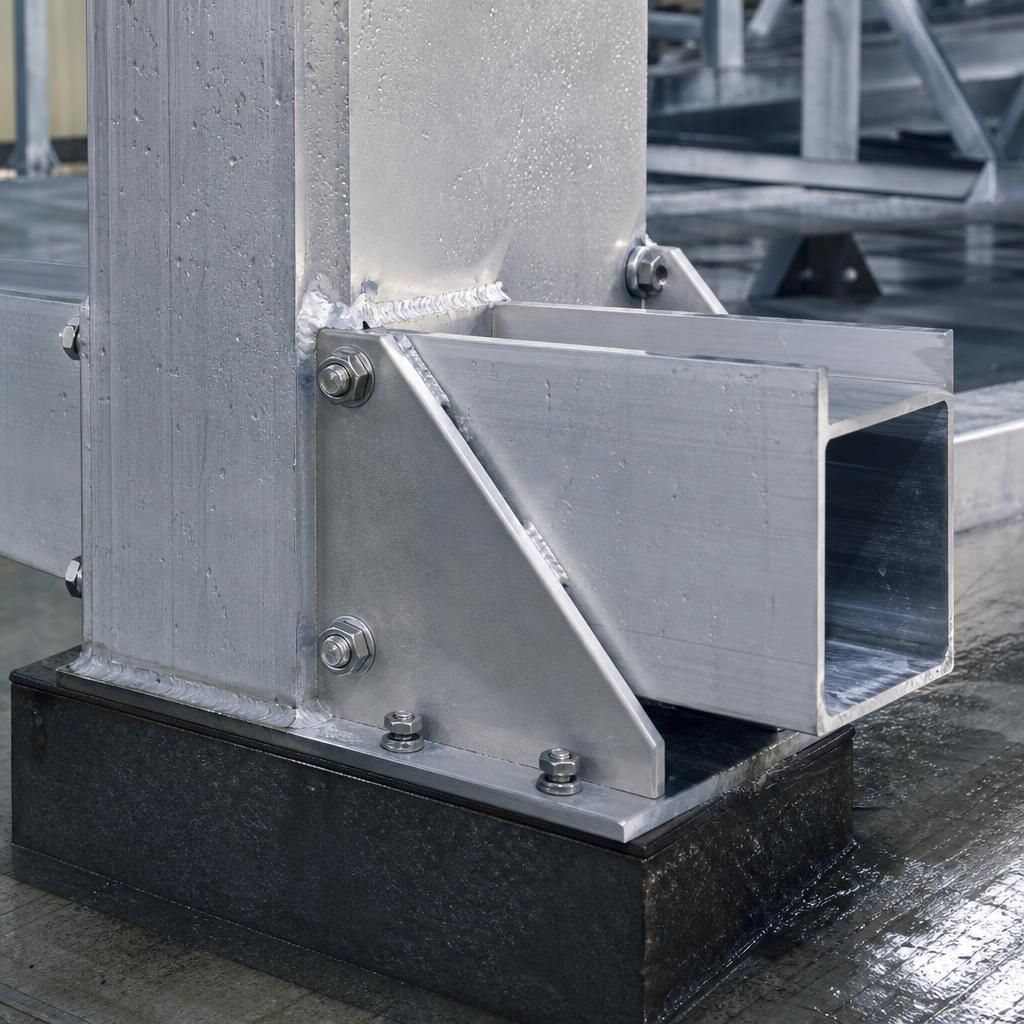
Pretreatment is particularly important where aluminium components connect with other metals. Steel fixings, brackets or inserts can create conditions for galvanic corrosion if moisture reaches the joint, especially when the coating has been damaged or the metals remain electrically connected. Cleaning and conversion treatment help provide a sound base for the powder film, but they do not replace suitable joint design, drainage or electrical isolation where required.
For this reason, the preparation specification should consider the complete assembly rather than only the visible aluminium faces. Coating access around interfaces, protection of cut edges and the treatment of areas hidden by fixings can all affect long-term performance. Reviewing these details before coating helps prevent premature deterioration that may otherwise be attributed incorrectly to the powder finish itself.