

What factors influence the cost of aluminium powder coating?
The cost of aluminium powder coating is mainly influenced by the size and condition of the parts, the preparation required, the coating type and finish selected, and the batch quantity. Collection or delivery requirements, part complexity and any masking or specialist handling can also affect the final price.
The cost of aluminium powder coating is determined by the processing resources and performance specification needed for a particular job, rather than by the aluminium material alone. A coating quotation reflects the powder system, preparation route, plant set-up, racking and loading requirements, inspection criteria and any work needed to meet the required finish.
Coating specification
The required level of protection is a major pricing factor. A straightforward decorative finish may require a different powder system and validation process from a coating intended for prolonged external exposure, chemical contact, abrasion or demanding industrial conditions. The specification should identify the required durability, film thickness, colour tolerance and performance tests. More demanding requirements can increase material, application and quality-control costs.
Colour selection can also affect the quotation even where the application method remains the same. Standard colours are generally simpler to schedule than unusual colours, small-volume custom shades or finishes requiring a particular texture or visual consistency. Where a project requires close colour matching, sample approval or documented batch-to-batch consistency, the additional checking and control can form part of the cost.
Part design and racking efficiency
The way an aluminium component can be positioned in the coating plant affects how efficiently it can be processed. Components need suitable contact points for electrical earthing and must be arranged so that all required surfaces receive a consistent coating. A simple profile may be loaded efficiently, while a three-dimensional assembly, long extrusion or component with enclosed sections may require more considered racking and handling.
This means two jobs with a similar overall size may not have the same price. The usable surface area, number of parts that can be mounted per load and access to the coating surfaces all influence labour and plant utilisation. Drawings or clear photographs are useful when the component geometry is unusual or when critical areas must remain free from coating.
Aluminium alloy and surface condition
Different aluminium alloys and manufacturing processes can respond differently during cleaning and coating. Castings, extrusions, machined parts and previously treated components may present different levels of contamination or porosity. Oils, polishing compounds, oxide layers, sealants and existing coatings can affect the preparation route and may require additional process stages.
Some cast aluminium components can release trapped air or contaminants when heated. Where this risk applies, the coater may need to discuss the component design, preparation method and acceptable appearance before production. This is not simply a question of powder consumption: the condition and construction of the component can influence process control and the risk of defects.
Preparation and process requirements
The preparation route is selected according to the alloy, intended use and required adhesion and corrosion performance. Cleaning and chemical conversion may be appropriate for one application, while mechanical preparation or a more involved pre-treatment sequence may be needed for another. Each additional stage uses labour, plant capacity and consumables, so it should be identified before a price is agreed.
Parts that contain threaded holes, bearing seats, electrical contact points or close-fitting interfaces may also need defined areas to remain uncoated. The method used to protect those areas, together with any subsequent removal of protective materials, can add processing time. These requirements should be shown on a drawing or stated clearly in the coating specification.
Quality, inspection and documentation
The cost may increase where the job requires formal inspection rather than a basic visual check. Possible requirements include coating-thickness readings, adhesion testing, colour comparison, gloss assessment, records for individual batches or traceability documentation. The appropriate checks depend on the end use and any quality standard specified by the customer.
Acceptance criteria should be agreed before processing. For example, a visible architectural component may be assessed differently from a concealed engineering bracket. Defining which surfaces are critical, what types of visual variation are acceptable and which tests are required helps prevent disputed costs or rework.
Set-up and commercial considerations
Every quotation has a set-up element covering activities such as reviewing the specification, planning the loading arrangement and preparing the equipment for the required powder system. The effect of this cost depends on how much production work is involved and whether the job can be processed using an existing set-up or needs a dedicated arrangement.
For this reason, a meaningful quotation normally requires more than a description such as “aluminium parts to be powder coated”. Useful information includes component drawings or photographs, the alloy and manufacturing method, the intended environment, required coating performance, critical uncoated areas, inspection requirements and any colour or appearance standard. The final price can then be based on the actual processing route rather than a broad per-part assumption.
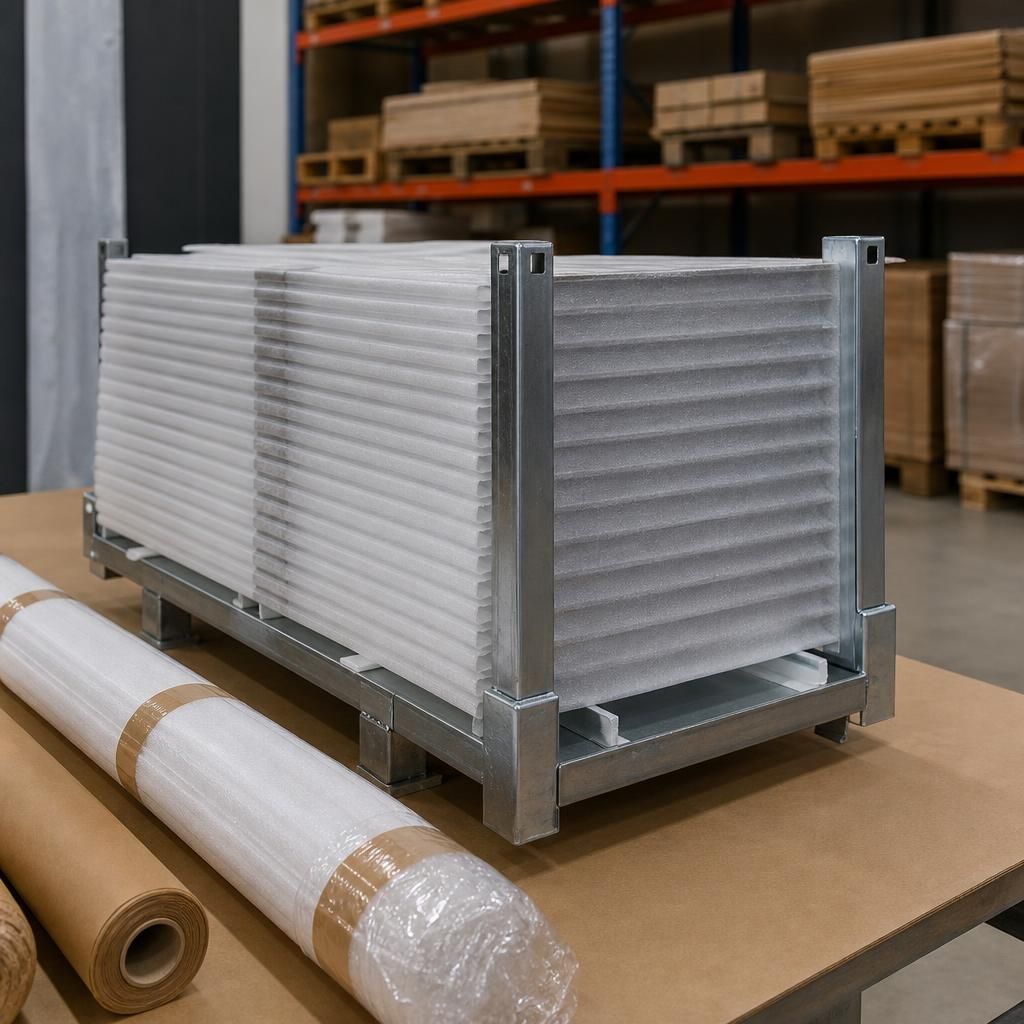
Packaging and protection after coating can also influence the total cost, particularly where aluminium parts have visible or easily marked surfaces. Finished components may need separators, protective wrapping or a dedicated stillage to prevent contact damage during handling and transport. The required packing method depends on the part’s shape, finish and how securely it can be stacked.
It is useful to include these requirements when requesting a quotation rather than treating them as a separate afterthought. If parts must be individually protected, kept in a specific orientation or returned in reusable packaging, the additional materials and handling should be allowed for in the overall price.