

What steps are involved in ensuring our aluminium powder coating plant meets environmental standards and sustainability goals?
Meeting environmental standards involves controlling each stage of aluminium powder coating, from surface preparation and powder application through to curing, inspection and waste handling. The plant supports sustainability by using a solvent-free coating method, applying material accurately to reduce overspray, and managing recoverable powder and production waste responsibly.
Our aluminium powder coating plant meets environmental standards by combining documented compliance controls with practical measures for energy, water, emissions, chemical use and resource efficiency. Each stage is assessed against applicable UK environmental requirements, with operating procedures, monitoring records and corrective actions used to support continual improvement rather than relying on the coating material alone.
Environmental controls begin with a documented review. The plant should maintain a current register of relevant legislation, permits, waste-transfer requirements and client specifications. This gives the production team a clear basis for controlling activities such as chemical storage, surface treatment, air emissions, drainage and waste collection. Responsibilities should be assigned to named personnel, while procedures are reviewed when equipment, materials or production methods change.
Energy use is managed across the complete process. Aluminium coating requires preparation, drying, powder application and curing, so sustainability depends on reviewing the energy demand of each operation. Practical controls include maintaining ovens and extraction systems correctly, checking that temperature controls and sensors are functioning properly, avoiding unnecessary idle operation and matching curing conditions to the approved coating specification. Preventive maintenance helps equipment operate as intended and can identify inefficient heating, ventilation or compressed-air use before it becomes a persistent issue.
Air quality and extraction are controlled at source. Application and preparation equipment should be enclosed or extracted where appropriate, with filters and ventilation systems inspected and maintained in line with their operating requirements. Monitoring and inspection records provide evidence that airborne particles and process emissions are being controlled. Good housekeeping around booths, preparation areas and curing equipment also reduces the risk of settled material becoming airborne or entering unsuitable drainage routes.
Surface preparation is managed with attention to water and chemical impacts. Aluminium may require cleaning, rinsing or chemical treatment before powder application, and these stages need controlled dosing, secure storage and clearly defined handling procedures. The plant can support responsible operation by preventing spills, segregating incompatible substances, inspecting containers and managing process water in accordance with site and regulatory requirements. Where rinse water or treatment residues are produced, they should be assessed and handled through an authorised route rather than discharged without appropriate controls.
Materials are selected and controlled with the finished application in mind. Powder systems avoid the solvent emissions associated with liquid paint, while the coating specification determines the suitable product, film build and curing conditions for the component. Keeping material identification, batch information and technical data together supports traceability and helps prevent unsuitable or obsolete materials from entering production. It also allows environmental and performance considerations to be reviewed when a customer is comparing coating options.
Inspection supports sustainability by preventing avoidable reprocessing. Checks on pre-treatment, surface cleanliness, appearance, coverage, adhesion and cure help identify problems before coated parts move to the next stage. Inspection methods should be suitable for the component and coating specification, with results recorded where required. If a defect is found, the cause should be investigated—such as contamination, incorrect preparation or an equipment fault—rather than simply repeating the coating cycle without corrective action.
- Reviewing process conditions when defects or repeated adjustments occur.
- Maintaining application, curing and extraction equipment according to planned schedules.
- Separating usable materials and recyclable packaging from controlled waste streams.
- Using authorised contractors and retaining the required transfer or treatment documentation.
- Recording incidents, near misses and corrective measures so recurring environmental risks can be addressed.
Water, energy, chemical and waste data should be reviewed as management information. Useful records may include utility readings, material usage, maintenance findings, waste documentation, environmental incidents and corrective actions. Reviewing these trends helps the plant identify where operating practices can be improved without compromising coating quality or specification compliance. The review should lead to defined actions, an owner for each action and a subsequent check that the change has worked.
Staff competence is part of environmental compliance. Operators need practical instruction in chemical handling, spill response, equipment settings, segregation procedures, extraction controls and the reporting of faults. Training should be refreshed when procedures or equipment change, and competence should be checked through supervision and production records. This makes sustainability part of routine decision-making rather than a separate administrative exercise.
For manufacturers and fabricators, the most useful evidence is a combination of controlled procedures, maintenance and training records, inspection results, waste documentation and periodic environmental reviews. These controls show how an aluminium powder coating plant turns environmental standards and sustainability goals into measurable operating practices while preserving the finish, adhesion and durability required for industrial components.
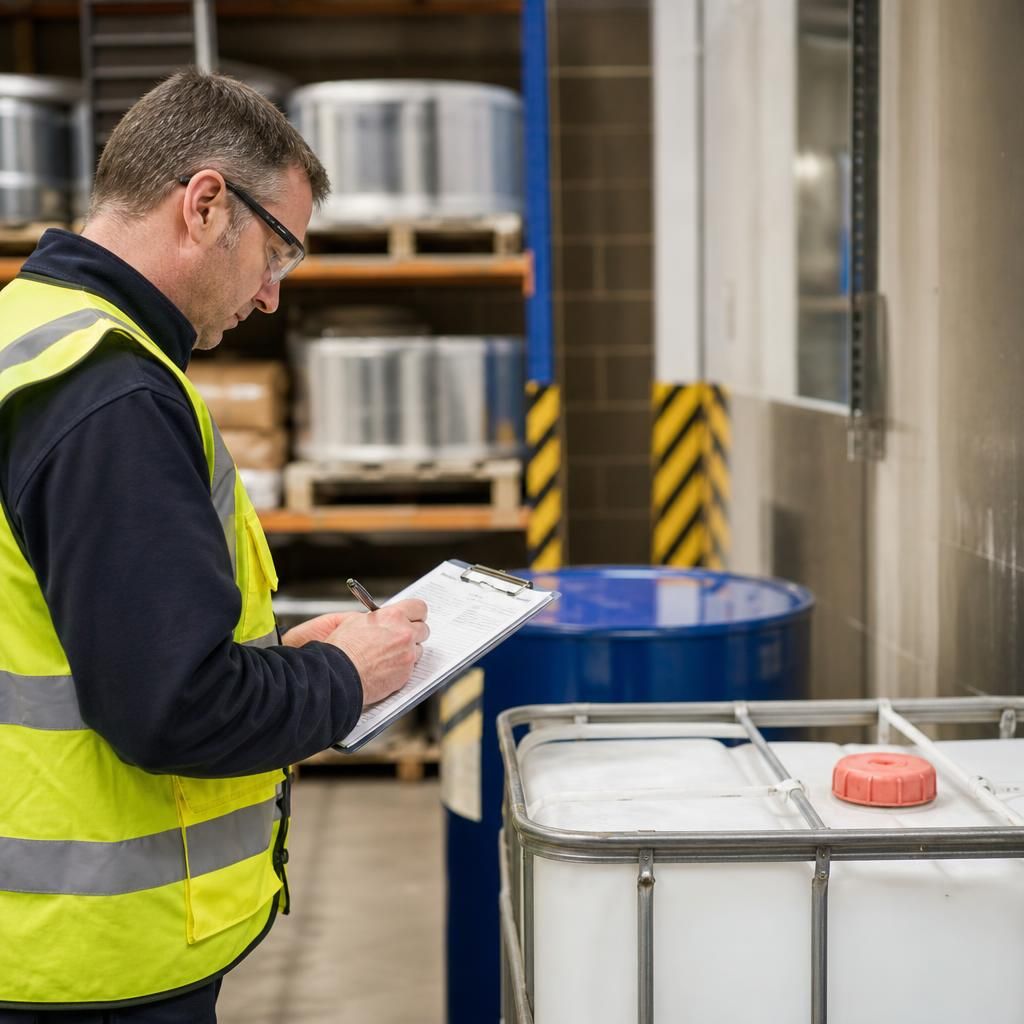
Environmental verification demonstrates that the plant’s documented procedures are being followed and remain effective in practice. Planned internal reviews compare production activities with the relevant environmental controls, examining both records and conditions on the shop floor rather than relying solely on written policies.
These reviews can check areas such as chemical storage, waste segregation, equipment condition, spill controls and the completion of required inspections. Any non-conformance should be recorded with its cause, responsible owner and target completion date, followed by a check that the corrective measure has resolved the issue. This evidence-based approach helps distinguish a one-off error from a recurring process weakness and gives management a defensible record of progress towards environmental and sustainability objectives.