

What specific coating options are available for aluminium components at your powder coating plant?
Options for aluminium components include durable powder finishes in specialist colours, together with specialist nylon and protective coatings. The appropriate option depends on the component’s required appearance, service conditions and level of protection.
Aluminium components can be specified with decorative powder finishes, specialist nylon coatings or protective coating systems, with the final choice determined by the component’s use, surface requirements and exposure conditions. The available specification can include the coating type, colour, sheen, texture and build required for the finished part.
Decorative powder finishes are suitable where the aluminium needs a consistent, durable appearance as well as surface protection. Colour can be selected to match a project specification, product range or existing components. Depending on the required appearance, the finish may be specified by its colour reference, gloss level and surface texture. These details should be agreed before production, particularly where coated parts will be assembled alongside other finished materials.
Nylon coatings provide a specialist option for aluminium parts that need a robust polymer surface rather than a purely decorative finish. They may be considered for components subject to regular contact, handling or mechanical wear. The suitability of nylon depends on the component’s geometry, operating environment and the performance required from the coating, so the intended use should form part of the initial specification.
Protective coating systems are used where the coating’s primary role is to help shield aluminium from demanding service conditions. The specification may take account of outdoor exposure, moisture, contamination, handling or contact with adjacent materials. In these applications, the coating choice must be considered alongside preparation of the aluminium, the required coating build and any areas that must remain uncoated for assembly or electrical continuity.
Aluminium also requires careful consideration before coating because its surface condition can vary between extrusions, castings, fabricated parts and previously treated components. Oil, handling residue, oxides and fabrication contaminants can affect the finished result. Components should therefore be assessed for cleanliness, existing treatments, sharp edges, recesses, welds and areas where powder could collect. Good preparation is essential to the performance of whichever coating option is selected.
The required finish can also be defined by practical production details:
- Colour and appearance: identify the required colour reference and whether a consistent visual match is needed across a batch.
- Surface character: specify whether the part needs a smooth appearance or a particular texture, where appropriate to the coating system.
- Coating build: establish the acceptable thickness range in relation to clearances, threaded features, moving interfaces and component fit.
- Coverage: identify visible faces, concealed areas, masking points and any zones requiring special attention because of the component’s shape.
- Service conditions: provide information about weathering, abrasion, impact, chemicals, moisture and temperature so that the coating is matched to its intended duty.
For assemblies or repeat batches, the specification should also state which faces are critical, where masking is needed and how parts are to be presented for coating. This helps avoid unsuitable coating build on mating surfaces and supports a consistent result between production runs. Drawings, photographs, sample components and written finish requirements can all assist with assessing the most appropriate option.
The plant can review the aluminium grade, component design and intended operating conditions before confirming the coating route. This is particularly important for complex profiles, perforated parts and fabricated assemblies, where access, drainage, hanging points and powder coverage can affect the practical choice. A clear technical specification allows decorative, nylon and protective options to be compared on performance requirements rather than appearance alone.
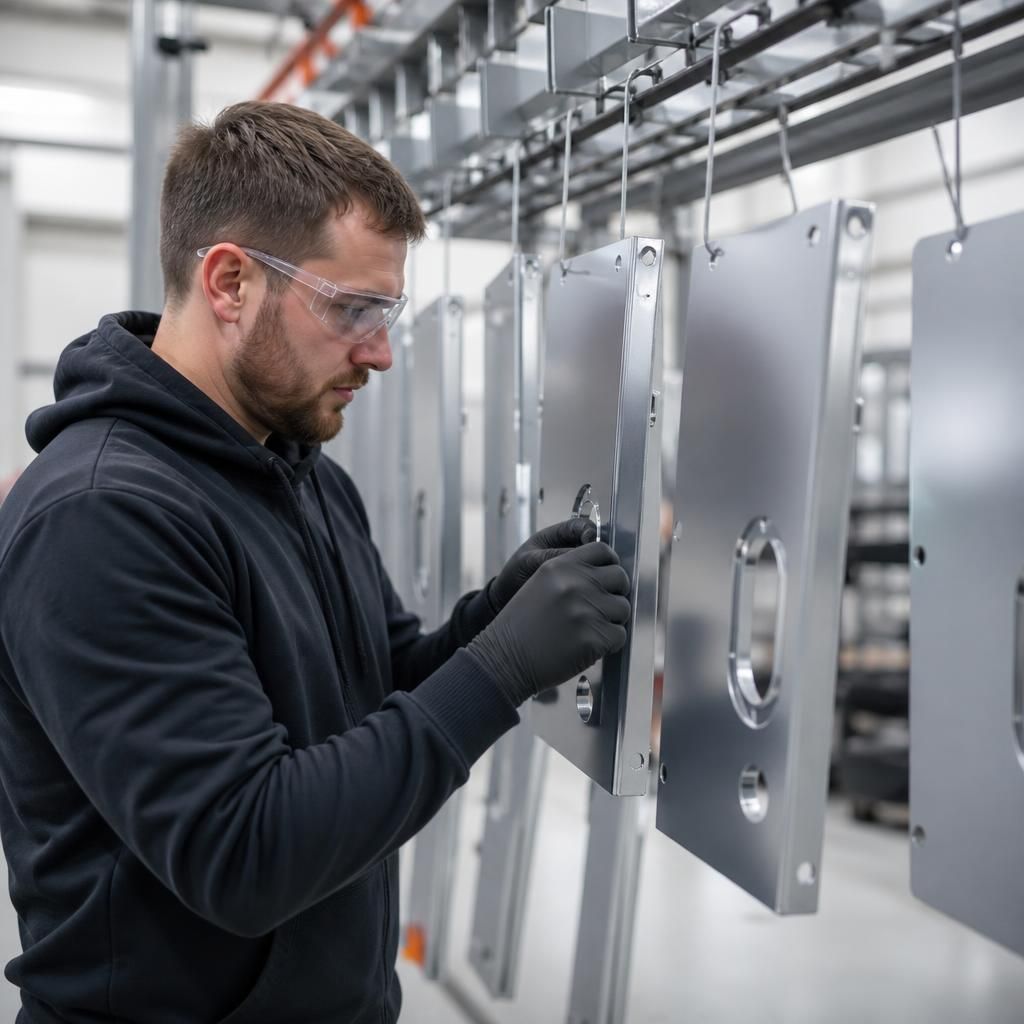
For aluminium components, the coating route should be agreed in relation to any work that will take place after coating. Cutting, drilling, bending or welding can remove the finished layer and expose the substrate, so components are generally best presented in their final form wherever practical.
If post-coating machining or modification cannot be avoided, those operations should be identified at the specification stage. The affected areas can then be considered separately, rather than treating the coating as uninterrupted protection across a component that will later be altered. This is particularly relevant when comparing decorative, nylon and protective options for fabricated aluminium parts.
Discuss your aluminium coating options
Share your aluminium component drawings, photographs or finish requirements for a review of the most suitable decorative, nylon or protective coating option. Include the intended service conditions and any masking or post-coating requirements so the specification can be assessed accurately.