

What are the benefits of using an advanced aluminium powder coating plant for your manufacturing needs?
An advanced aluminium powder coating plant provides durable, high-quality finishes while supporting consistent processing for large-scale and batch production. For manufacturers, this can mean access to specialist coating options and a practical service for aluminium components requiring reliable protection and appearance.
An advanced aluminium powder coating plant benefits manufacturing by combining controlled surface preparation, accurate powder application, managed curing and careful component handling in one process. This gives manufacturers greater control over how aluminium parts are prepared and finished, which is particularly important where components have different profiles, masking requirements or performance specifications.
Improved preparation of aluminium surfaces
Aluminium forms a natural oxide layer and may also arrive with oils, dust, machining residue or other contaminants. A suitably equipped plant can include defined cleaning and pre-treatment stages to create a sound surface for coating. This supports proper adhesion and helps the finished coating perform as intended rather than relying on powder application alone.
Better control of complex components
Aluminium parts may include recesses, apertures, edges, folded sections and areas that must remain uncoated. An advanced coating operation can plan the racking, masking and spray approach around the component design. This helps the coater address difficult areas while protecting threads, contact points, mating surfaces and other features that must remain functional after finishing.
More controlled curing
Powder coating requires the applied film to reach the specified curing conditions. Plant equipment that monitors the curing stage helps account for component size, material thickness and load arrangement. Controlled curing is important because insufficient or excessive heat can affect the coating’s properties, appearance and suitability for service.
Consistent appearance across production parts
Accurate application and controlled handling help manage common appearance considerations such as film coverage, edge definition, surface texture and colour uniformity. This is valuable where coated aluminium parts are visible, form part of an assembled product or need to match other finished components. Clear specifications for colour, gloss, texture, coating thickness and masking should be agreed before processing.
Greater process visibility
A structured plant can provide better control over job specifications, component identification and inspection points. For B2B manufacturing, this makes it easier to relate finished parts to the required coating system and to identify any issue before components move into assembly or onward delivery. Inspection may include checks on coverage, visual finish, masking and curing, depending on the requirements of the job.
More suitable handling for manufacturing workflows
Aluminium can be marked, scratched or distorted if it is stored or moved without appropriate support. Purposeful racking and handling arrangements reduce unnecessary contact with finished surfaces. Collection and delivery options can also help manufacturers coordinate coating with fabrication, assembly and production planning, particularly when parts are supplied in batches.
The main benefit is therefore not simply the application of powder, but the control surrounding it. Manufacturers should assess whether a plant can prepare aluminium correctly, accommodate the component design, apply the specified coating system, manage curing and inspect the result. Providing accurate drawings, quantities, masking details, required finish and service conditions at quotation stage allows the coating process to be matched to the manufacturing need.
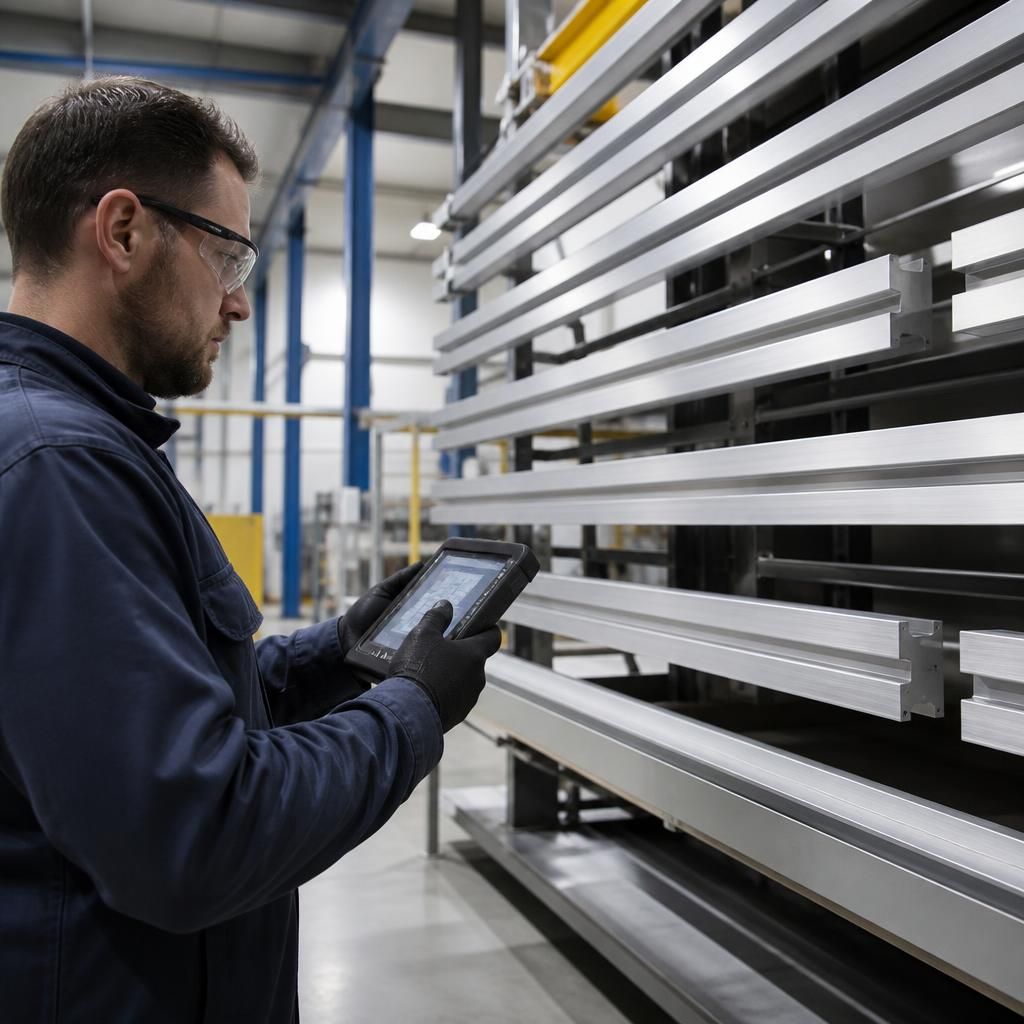
An advanced aluminium powder coating plant can help manufacturers specify a finish that is compatible with the part’s intended service conditions, rather than treating every component in the same way. Aluminium used indoors, outdoors, in vehicle assemblies or in industrial equipment may face different levels of handling, moisture, chemicals and weathering. A plant with suitable process control can assess the required coating system against these conditions and the component’s design before production begins.
This supports better alignment between the coating and the finished product. It can also make specialist requirements, such as protective or nylon coatings, easier to incorporate where the application calls for properties beyond a standard decorative finish. The practical benefit is a more considered manufacturing specification: the aluminium substrate, operating environment, appearance requirements and expected use are evaluated together before the coating route is agreed.