

What maintenance is required for powder coated rusted steel to ensure long-term protection and appearance?
Maintaining powder-coated rusted steel involves regular inspection, gentle cleaning and prompt attention to chips, scratches or areas where corrosion is returning. Keep the surface free from dirt and moisture, avoid abrasive cleaning methods, and arrange suitable repair or recoating if the coating is damaged or the steel becomes exposed.
Long-term maintenance of powder-coated rusted steel depends on controlling the conditions around the coating as well as dealing correctly with any coating failure. The maintenance plan should account for exposure to water, salt, chemicals, abrasion and trapped moisture, because these factors can allow corrosion to develop at edges, joints, fixings and damaged areas even when most of the finish remains sound.
Assess the service environment
- Steel exposed outdoors, near roads, coastal air, industrial pollutants or frequent condensation generally needs closer oversight than steel in a clean, dry internal environment.
- Identify areas where water can collect, including horizontal ledges, folded sections, box ends, overlaps and poorly drained joints. Persistent dampness can undermine the coating from an edge or concealed face.
- Check whether the component is exposed to chemicals, solvents, fertiliser, animal waste or other substances that may attack the coating. The cleaner or maintenance product should be suitable for the particular powder coating and exposure conditions.
Protect vulnerable details
Edges, drilled holes, welds, cut-outs and corners deserve particular attention because coating coverage and adhesion can be more difficult to maintain in these areas. Drainage holes should remain clear, and contact points should not hold wet debris against the steel. Where components are assembled, examine interfaces between the coated steel and rubber, timber, masonry or other metals. Movement, trapped moisture and incompatible contact materials can damage the finish or create a local corrosion cell.
Fasteners and fittings should also be checked for corrosion and for damage caused during installation. Tightening, dismantling or impact from tools can mark the coating. Protective pads, suitable washers and careful handling can reduce mechanical damage where components are assembled or adjusted after coating.
Use a controlled cleaning method
Cleaning should remove deposits without softening, cutting or contaminating the coating. Use a clean, non-abrasive cloth or soft brush with a coating-compatible cleaning solution, then rinse away residue and allow the surface to dry. Do not use wire brushes, abrasive pads, grinding equipment or aggressive solvents unless a coating specialist has confirmed that they are appropriate. Any cleaning method that exposes the steel or changes the surface gloss can create an additional repair requirement.
On components exposed to road salt, airborne salts or industrial deposits, cleaning is particularly important because these contaminants can retain moisture against the coating. Deposits should not be allowed to build up around seams, fixings and drainage points. If a pressure washer is used, it should not be directed at coating edges, joints or existing defects, where water pressure may lift a weakened film.
Deal with coating defects according to their cause
A small mark caused by handling is not treated in the same way as blistering, under-film rust, peeling or widespread loss of adhesion. Before applying any repair material, establish whether the defect is superficial or whether corrosion has spread beneath the coating. Painting over active corrosion without removing the affected material can leave the underlying problem in place.
Local repairs normally involve removing loose coating and corrosion, preparing a clean, sound edge, and applying a compatible repair system in accordance with the product guidance. The repair material may not match the original powder coating exactly in colour, texture or gloss, particularly where the existing finish has weathered. For that reason, small touch-ups are best regarded as a way of limiting local exposure, not as an automatic substitute for full refurbishment.
Where defects are extensive, a suitable remedial process may require stripping the failed finish, removing corrosion, preparing the steel again and applying a new compatible coating system. The correct preparation method depends on the steel condition, the remaining coating and the intended exposure. A professional assessment is appropriate where rust is returning beneath the film, adhesion is failing over a broad area, or the steel section may have lost material.
Keep maintenance records
For components used in manufacturing, construction or automotive applications, record the coating type if known, the exposure conditions, cleaning products used, areas repaired and any changes in the defect pattern. Photographs and marked-up component drawings can help distinguish a new defect from an existing one and make it easier to plan remedial work before corrosion becomes more extensive.
Maintenance intervals should be set according to the environment, component design and consequences of coating failure rather than by applying one timetable to every item. Follow the coating supplier’s care instructions where available, and obtain technical advice before using an unfamiliar chemical, coating or preparation method. This approach preserves the appearance of the finish while reducing the risk that concealed corrosion will be mistaken for a purely cosmetic issue.
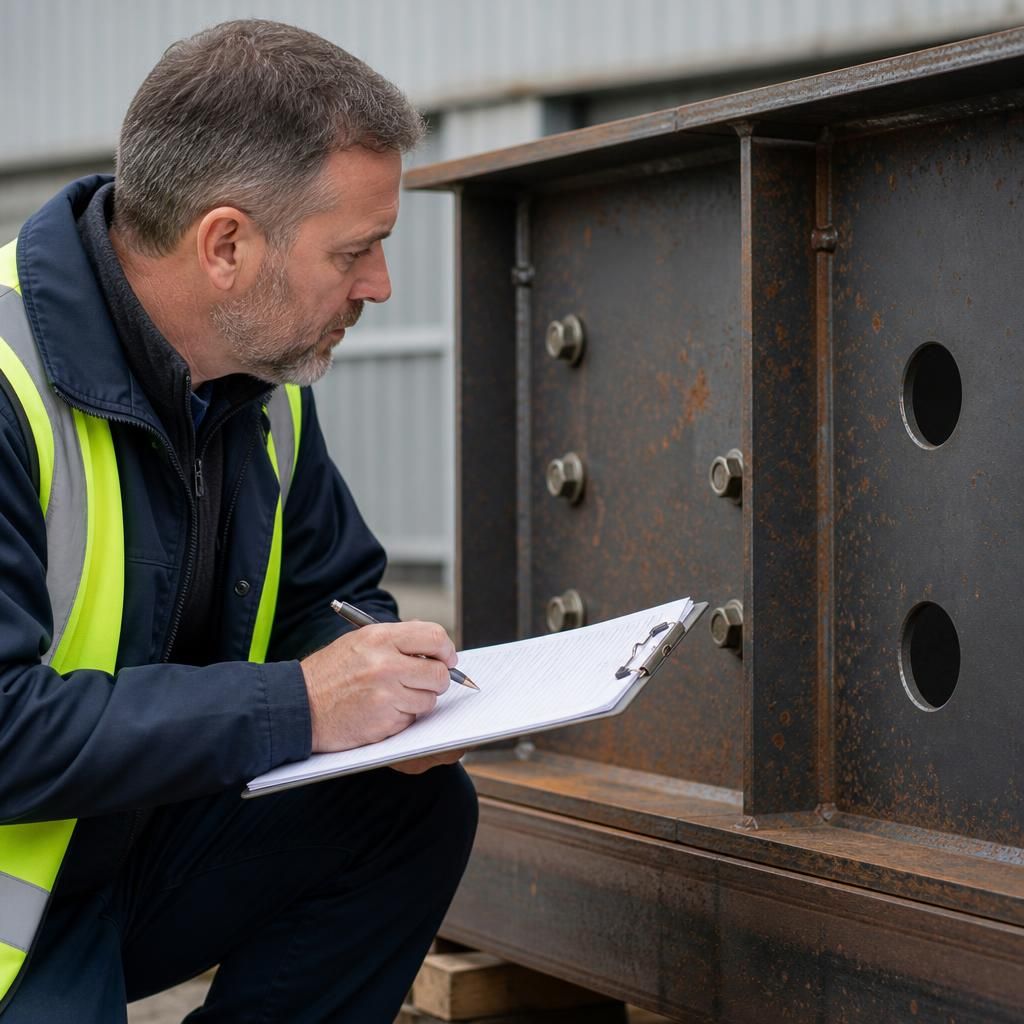
Maintenance should be reviewed if the steel component’s service conditions change. Relocation outdoors, increased exposure to chemical vapour, regular contact with water or a change in operating temperature can place demands on the coating that were not present when it was specified. A finish that remains visually intact may still be unsuitable for the revised environment.
In these circumstances, assess the new exposure before selecting a cleaning product, repair coating or replacement system. The review should consider chemical compatibility, moisture retention, abrasion and any areas that are regularly immersed or exposed to heat. This prevents a routine touch-up from being used where the coating specification itself needs to be reconsidered, helping preserve both corrosion protection and surface appearance.
Discuss maintenance for your powder-coated rusted steel
If recurring defects or corrosion make the appropriate remedial process unclear, discuss the component’s condition and exposure with powder-coating.co.uk. This can help determine whether local repair, preparation and recoating, or a new coating specification is most suitable.