

What are the cost implications of choosing Interpon D2015 and D2525 finishes for large-scale aluminium projects, and how can they impact my project's budget?
For a large-scale aluminium project, Interpon D2015 will generally involve a lower initial coating cost, while Interpon D2525 may require a higher upfront allowance for its enhanced durability specification. The appropriate choice should balance coating, preparation, application, access, handling and delivery costs against the project’s required service life and potential future maintenance or recoating expenditure.
The cost implications of choosing Interpon D2015 or D2525 for a large-scale aluminium project extend beyond the price of the powder coating itself. The final budget is shaped by the aluminium area, component dimensions, surface condition, preparation requirements, colour and finish, application method, handling, transport, inspection and any work required to correct defects.
A reliable comparison should separate the following cost headings:
- Material: the specified powder, including the quantity required for the measured surface area and an allowance for application losses.
- Preparation: cleaning, chemical pre-treatment, removal of contaminants, masking and any additional work needed to make the aluminium suitable for coating.
- Application: loading, spraying, curing, quality checks and the handling of items through the coating process.
- Project handling: packing, collection or delivery, storage, unloading and any specialist arrangements for long, heavy or awkward components.
- Rectification: stripping, recoating or replacing parts if the finish does not meet the agreed specification.
Surface area is often more useful for estimating than the weight of the aluminium. Two projects with similar metal tonnage can have very different coating costs if one contains many small sections, complex profiles or large exposed areas. Small components may require more loading and handling per unit, while long sections can require suitable racking, careful movement and additional protection during transport. The quotation should therefore be based on drawings, schedules or representative samples rather than a broad tonnage estimate alone.
The design of the components also affects the budget. Deep recesses, sharp transitions, enclosed sections and areas that must remain uncoated can increase masking and inspection work. Components should be reviewed before manufacture where possible, because access for spraying, drainage, racking points and permissible contact marks can all influence the amount of manual work involved. Changing the design after coating has started can create avoidable rework and disrupt the planned batch sequence.
Colour and appearance requirements can introduce further cost variables. A standard colour may be simpler to schedule than a special colour, while low-volume colours can involve additional setup, cleaning or minimum-order considerations. Metallic, textured, high-gloss or other appearance-led finishes may also need closer control during application and inspection. If colour consistency is important across multiple production batches, the project specification should define the acceptable standard and how samples or retained references will be assessed.
Specification choices should be made against the location and expected exposure of the aluminium, not on coating price alone. A higher coating specification may be appropriate where the finished components are difficult to access, expensive to remove or expected to remain in service for a longer period. Conversely, specifying more performance than the environment requires can increase expenditure without providing a proportionate project benefit. The correct comparison considers the required performance, appearance, warranty or compliance obligations and planned maintenance strategy together.
Large projects are particularly sensitive to batch planning. Grouping compatible components can reduce repeated setup and handling, whereas frequent changes in colour, finish or specification can add process time and increase the risk of inconsistencies. A phased programme should identify which items must be coated together, which parts can be delivered in separate batches and whether later batches need to match an approved reference panel.
Rework is a budget risk that should be considered before production. Common causes include contamination, inadequate pre-treatment, damage during handling, incorrect masking, inconsistent colour or failure to meet the agreed film and visual requirements. Clear drawings, coating specifications and inspection criteria help reduce disputes and make it easier to identify responsibility if a part needs correction. Protecting coated surfaces with suitable packing and controlled handling is equally important, particularly where components will be transported or stored before installation.
For budgeting purposes, prepare a schedule containing the number and dimensions of each component, total exposed area, aluminium condition, required colour and finish, masking details, delivery stages and inspection requirements. Ask for the two finishes to be priced against the same assumptions. This makes the comparison meaningful and highlights whether a difference comes from the coating specification or from preparation, handling and logistics.
A useful project allowance should also distinguish confirmed costs from items that depend on a site survey, sample approval or final drawings. Record assumptions such as acceptable contact marks, permitted touch-up work, packaging requirements, delivery responsibilities and the treatment of damaged or rejected parts. Reviewing these points before placing the order gives the project team a clearer view of total spend and helps prevent a seemingly small coating decision from creating unplanned costs elsewhere.
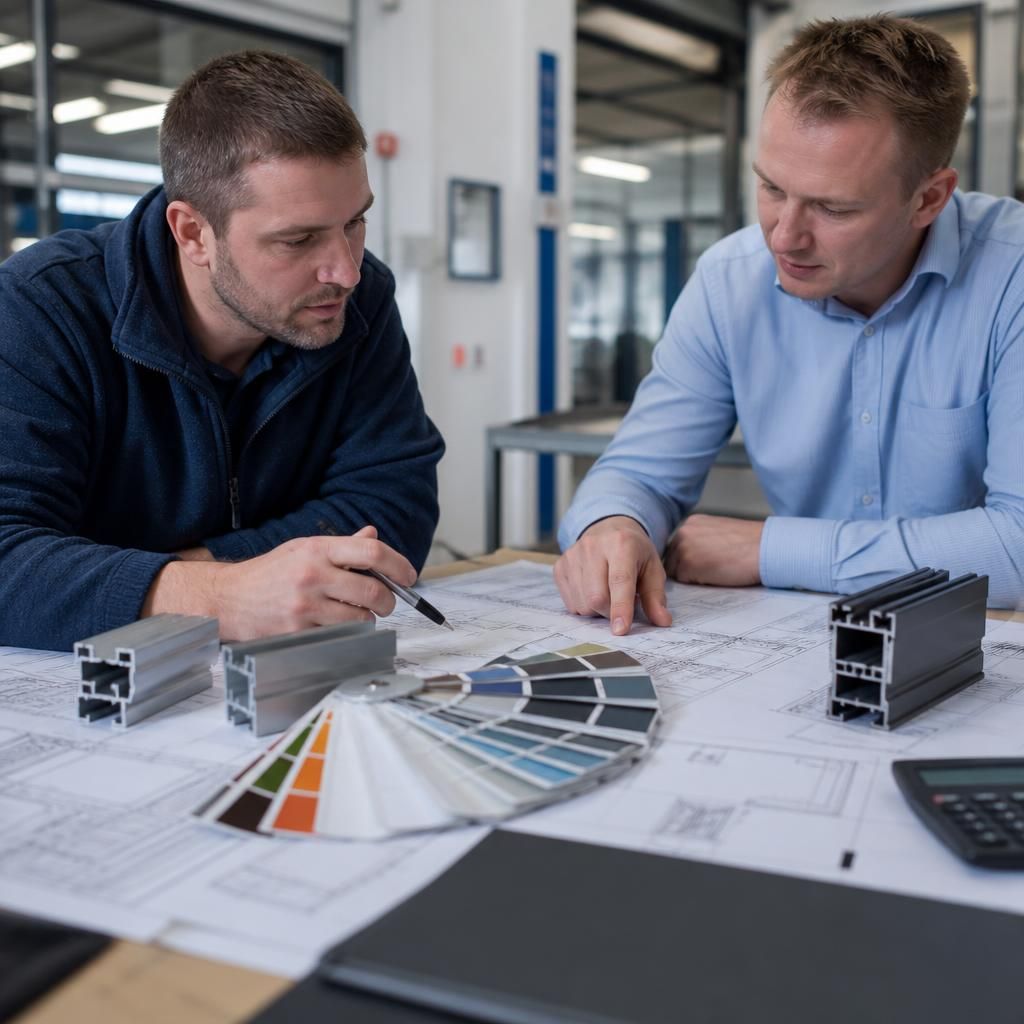
The main budget distinction between Interpon D2015 and D2525 is the balance between initial coating expenditure and the potential cost of maintaining the finished aluminium over its intended service life. D2015 may suit a project focused on controlling upfront spend, while D2525 may justify a larger initial allowance where its enhanced durability specification aligns with the exposure conditions and expected lifespan of the installation.
Assess the options using a whole-life cost comparison rather than treating the powder price as the complete decision. Include the possible cost of future inspection, access equipment, removal, disruption to surrounding operations, repair and recoating if the finish reaches the end of its useful service life. These costs can be more significant for façade elements, fixed architectural features or components installed in locations where removal is difficult.
For budget approval, present both finishes against the same scope and record the assumptions behind each option. The comparison should show the initial coating allowance separately from potential future maintenance and renewal costs, without assuming a particular service life or maintenance interval unless these are established by the project specification. This gives the client a clearer view of whether the higher initial cost of D2525 is supported by the project’s exposure, access constraints and planned period of use.
Compare Interpon D2015 and D2525 Costs for Your Aluminium Project
Discuss your aluminium project with the powder-coating team and provide the relevant drawings, component schedule and finish requirements. This allows Interpon D2015 and D2525 options to be assessed against the same scope before you commit to a specification.