

What are the most common mistakes to avoid when selecting a powder coating primer for industrial projects?
The most common mistakes are choosing a powder coating primer without assessing the metal substrate, exposure conditions, topcoat compatibility, surface preparation, required film build and curing process. Selecting a system solely on price or general-purpose suitability can lead to poor adhesion, premature corrosion and reduced finish durability.
Choosing a powder coating primer correctly means selecting a system that matches the component’s service demands, production method, specification and future maintenance requirements. The most common mistakes occur when the primer is treated as a generic undercoat rather than as one part of a tested, application-specific coating system.
- Relying on a generic product description. Terms such as “industrial primer” or “high-performance primer” do not define the actual protection provided. Review the technical data for intended service conditions, application limits, recommended film characteristics and relevant performance testing. A primer should be selected against documented requirements rather than a broad product category.
- Ignoring the complete coating specification. A primer choice should be recorded as part of a defined system, including the primer technology, powder topcoat, application method and required finish. Omitting these details can create uncertainty when components are recoated, repaired or sent to another production stage. A clear specification also helps prevent an unsuitable substitute being used later.
- Overlooking component geometry. Corners, sharp edges, folded sections, deep recesses, perforations and enclosed areas can behave differently from broad, accessible surfaces. They may receive uneven coverage or create areas that are difficult to inspect. The specification should account for how the primer will reach these features and whether the finished component can be coated and checked consistently.
- Failing to consider the production line. A primer that performs well in principle may be unsuitable for the way a factory handles parts. Assess the available spray equipment, racking points, masking requirements, line sequence, powder recovery arrangements and handling between coating stages. The chosen system must fit the actual process, not just the laboratory or supplier description.
- Assuming the primer removes the need for sound fabrication. Primer cannot reliably correct weld spatter, sharp burrs, trapped residues, poor drainage or inaccessible surfaces. These issues can remain as weak points beneath the coating and make inspection or future maintenance more difficult. Design, fabrication and finishing requirements should therefore be reviewed together before the primer is specified.
- Having no plan for damage and future repairs. Industrial components can be marked during transport, assembly, installation or service. Before approval, establish how local damage will be identified, prepared and repaired, and whether the repair method will provide the required protection and appearance. A system that has no practical maintenance route can create problems even when the original coating is satisfactory.
- Approving the primer without a representative trial. Small-scale or supplier-generated samples may not reproduce the component’s geometry, handling, racking or production conditions. A representative trial allows the coating team to inspect coverage, appearance, adhesion, defects and process control before full production. Record the approved system and inspection criteria so that later batches can be assessed against the same standard.
A sound selection process therefore combines the technical data sheet with the component design, production route, inspection requirements and maintenance plan. For complex or high-value industrial parts, the proposed primer system should be reviewed with the coater and validated on representative components before it is adopted as the production standard.
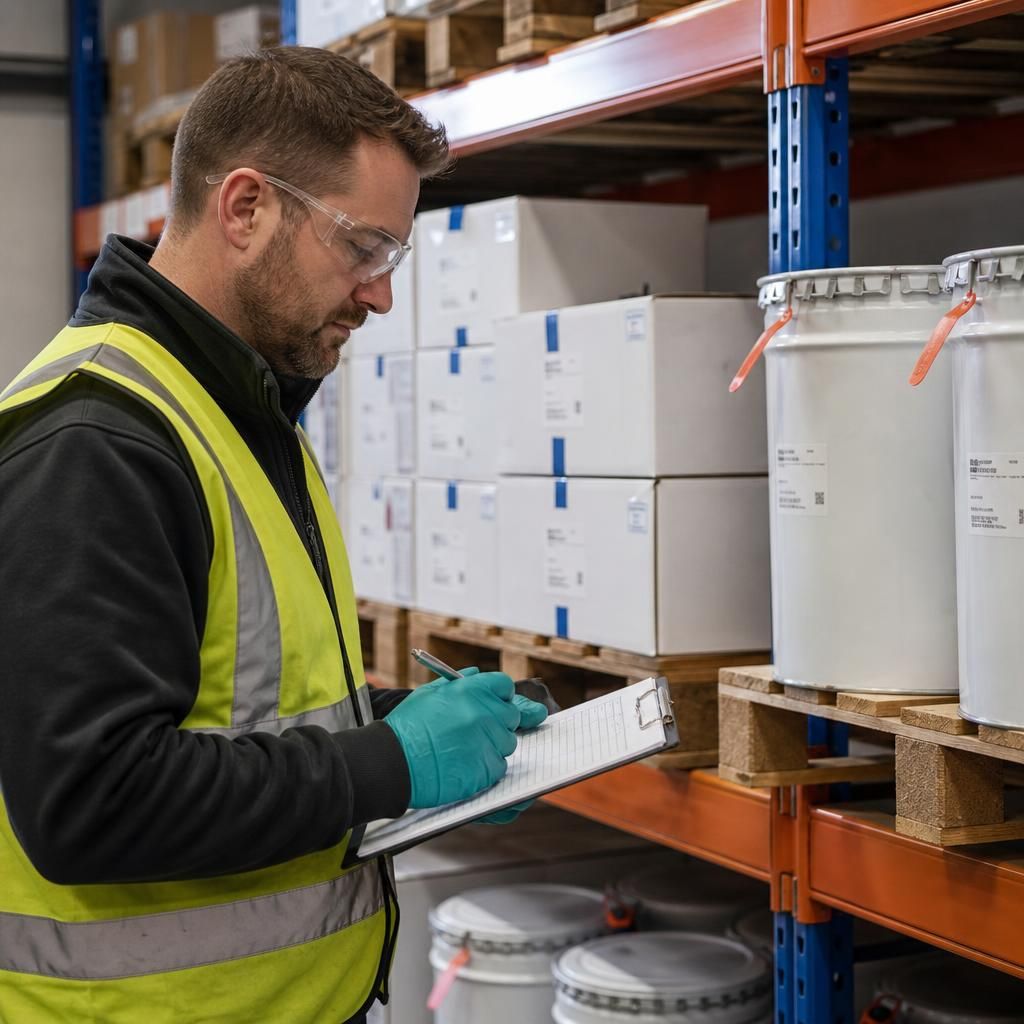
A frequently overlooked mistake is failing to check the primer’s storage, shelf-life and batch-control requirements before approving it for an industrial process. Powder products should be stored in the conditions specified by the supplier, with stock rotation and batch details recorded so that material can be traced if application results vary.
Using material that has been stored incorrectly, exceeded its stated shelf life or been mixed without proper identification can affect application consistency and make it difficult to investigate defects. Confirm these requirements during selection and include them in the coating procedure, especially where primer is purchased for repeat production or held in stock for future batches.
Discuss your powder coating primer requirements
Discuss your component material, operating conditions and coating specification with a powder coating specialist before approving a primer system. This allows the proposed primer and topcoat combination to be assessed against the project’s practical requirements.