

What are the potential limitations of using zinc and fusion bonded coatings, and how can they be mitigated to ensure maximum effectiveness?
Zinc and fusion bonded coatings can be limited by inadequate surface preparation, difficult component geometry, application constraints and damage that exposes the underlying metal. Their effectiveness can be maximised by selecting the appropriate coating system for the service environment, preparing and inspecting the substrate carefully, controlling application conditions and checking the finished coating for coverage, adhesion and defects.
Zinc and fusion bonded epoxy (FBE) coatings are effective corrosion-control systems, but neither is universally suitable for every component or service environment. Their limitations are best managed by defining the exposure conditions and performance requirements before coating, selecting the correct system and thickness, designing components for coating access and drainage, and allowing for inspection, handling and future repair.
1. The coating must match the service environment
Zinc protects steel partly by acting as a sacrificial layer, while FBE primarily forms a continuous barrier between the substrate and corrosive agents. The performance of each system depends on what the component will encounter. Moisture, salt, acidic or alkaline chemicals, solvents, abrasion, impact, immersion and elevated temperatures can affect the suitability of a particular coating specification.
A zinc coating may be unsuitable where the surrounding chemistry rapidly consumes zinc or where a clean, non-reactive surface is essential. FBE can provide strong chemical resistance, but its resistance is not identical for every chemical or concentration, and prolonged exposure beyond its designed temperature range can reduce performance. The mitigation is to obtain the chemical and temperature requirements for the intended service and confirm them against the coating system’s technical specification rather than selecting a finish by colour or general corrosion category alone.
2. FBE has limited resistance to ultraviolet exposure unless protected
FBE is primarily designed to protect the substrate, not necessarily to retain its original appearance during prolonged direct sunlight. Ultraviolet exposure can cause chalking, fading or surface degradation over time. This does not automatically mean that the underlying corrosion protection has failed, but it can affect appearance and may make the surface less suitable for exposed architectural or visible applications.
Where long-term outdoor appearance is important, an approved compatible topcoat or a different coating specification can be considered. The additional layer must be compatible with the cured FBE and appropriate for the expected weathering conditions. If appearance is secondary to corrosion resistance, the specification should state this clearly so that normal ultraviolet ageing is not mistaken for loss of structural protection.
3. Zinc and FBE behave differently when damaged
Zinc can offer a degree of sacrificial protection around a small exposed area, depending on the coating system and the surrounding conditions. FBE does not provide the same sacrificial action: a deep cut, chip or impact that reaches the steel can become a local route for moisture and corrosion. FBE is also a thermoset material, so it cannot simply be reheated and flowed back into place after curing.
Damage should therefore be dealt with using a documented repair method. This normally involves removing loose or contaminated material, preparing the exposed area, applying a compatible repair material and checking that the repaired zone is sound. The repair specification should identify acceptable materials, preparation standards and inspection requirements before components are put into service. Careful packaging, lifting and transport arrangements also reduce the likelihood of damage after coating.
4. Coating thickness can affect fit and function
Coating adds material to the component, which can be significant where parts are manufactured to close tolerances. Threads, bearing seats, sliding faces, mating surfaces, holes and machined interfaces may no longer fit as intended if they are coated without allowance. Excessive build-up can also interfere with assembly, alter clearances or affect the operation of moving parts.
Drawings should identify surfaces that must remain uncoated or receive a controlled finish. Masking, plugs, temporary inserts or post-coating machining may be appropriate, subject to the coating specification. Tolerance allowances should be agreed during design rather than relying on coating removal after the work is complete. Components should also be checked against their functional requirements, not only their visual appearance.
5. Complex assemblies create specification and maintenance issues
Coating a complete assembly may conceal joints, trap contaminants or prevent access to areas that later need adjustment, welding or inspection. Dissimilar metals can also introduce compatibility concerns, particularly where moisture is present and the coating system changes the electrical contact between surfaces. Zinc and FBE should not be treated as interchangeable simply because both are used for corrosion control.
Where practical, the coating specification should be developed around the finished assembly. It may be preferable to coat individual parts before assembly, mask electrical contact points, seal joints or provide drainage and ventilation paths. Any requirement for earthing, electrical continuity, welding or subsequent fabrication should be identified before coating, as cured FBE must generally be removed locally before hot work and then reinstated using a suitable repair procedure.
6. Edge and weld protection require particular attention
Sharp edges, corners, weld spatter, undercutting and abrupt changes in profile can produce a less consistent coating than broad, accessible surfaces. These areas are more exposed to mechanical damage and may have less effective coverage if the component has not been designed or finished with coating in mind.
Edges can be softened where the design permits, welds can be finished to an appropriate profile, and spatter or other surface irregularities can be removed before coating. The specification should define how edges, welds and difficult transitions are to be treated and what constitutes acceptable coverage. For critical components, inspection methods should be selected to suit the coating and the risk rather than relying solely on a visual check.
7. Coating choice can affect repair and future maintenance
A zinc-based system may be easier to repair locally in some situations because compatible zinc repair products are available, but the repaired area may not have exactly the same appearance or properties as the original finish. FBE repairs require compatible materials and careful control because the original coating has already cured. Repeated local repairs can also create variations in thickness and appearance.
For equipment expected to be modified or maintained in service, the project documentation should record the coating type, preparation requirements, acceptable repair products and any restrictions on hot work or abrasive cleaning. Keeping this information with the component’s maintenance records prevents unsuitable materials being applied later and helps ensure that a repair restores protection rather than creating a new point of failure.
8. Quality requirements should reflect the consequence of failure
Not every component needs the same level of testing. A decorative bracket and a buried, immersed or safety-critical component have different consequences if corrosion develops. The inspection plan should therefore be proportionate to the application and may include checks for coating continuity, thickness, adhesion, cure and local damage, alongside verification that masked areas and critical interfaces remain usable.
The most effective mitigation is a written coating specification agreed between the designer, coater and end user. It should define the substrate, zinc or FBE system, exposure conditions, required finish, thickness range, tolerances, masking, repair method, acceptance criteria and documentation. This removes ambiguity and makes it possible to distinguish a genuine coating defect from an expected characteristic of the selected system.
For manufacturers, fabricators, construction firms and automotive businesses across the Midlands, a coating specialist can review the component design and intended service before work begins. That early review helps determine whether zinc, FBE, a combined system or an alternative protective coating is the most appropriate solution, while also identifying tolerances, repair provisions and handling requirements that could otherwise limit long-term effectiveness.
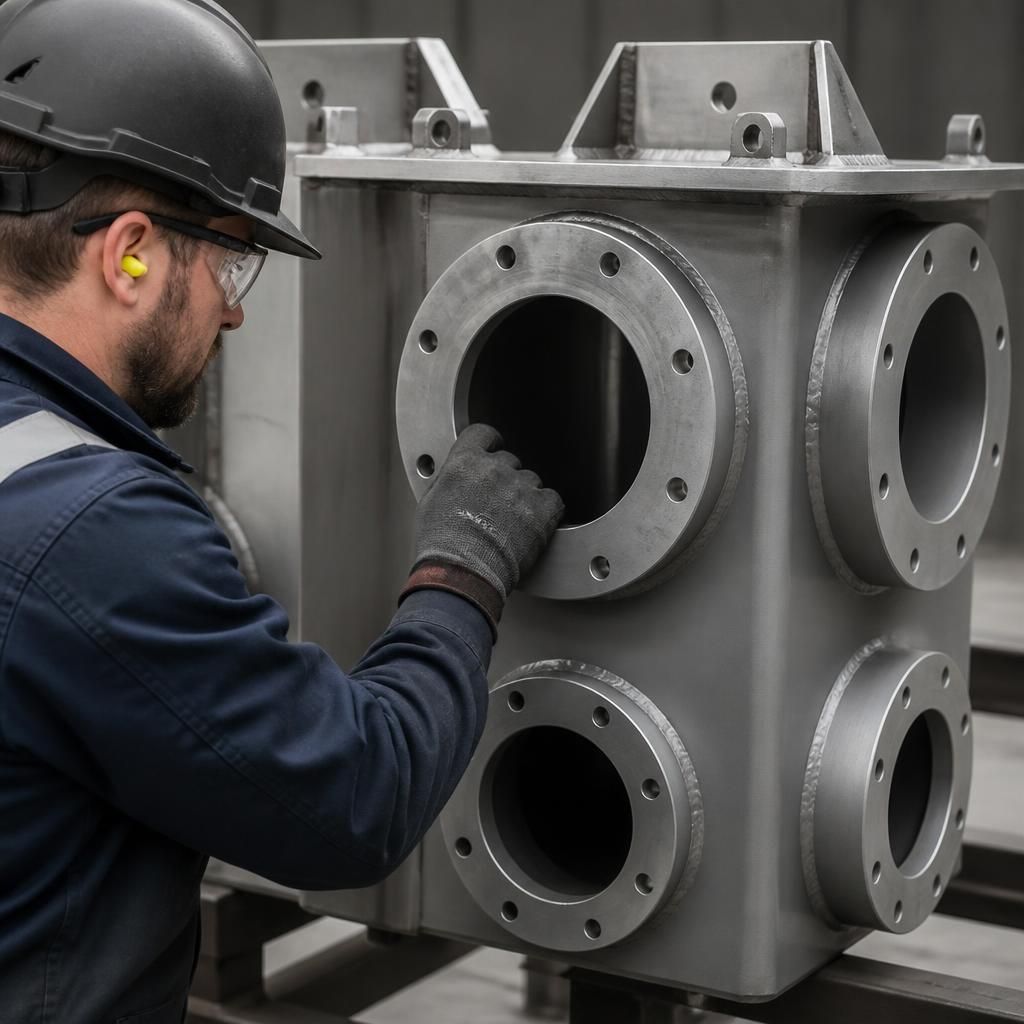
Drainage and ventilation are important limitations when coating hollow, enclosed or partly enclosed metal components. Trapped water, cleaning solution or chemical residue can remain inside the part after preparation and coating, creating a corrosion risk that may not be visible from the outside. Enclosed spaces can also complicate coating access and make it difficult to confirm whether the required coverage has been achieved.
These risks can be reduced by incorporating suitable drain and vent openings into the design, positioning them where liquid can escape, and confirming that they will not compromise the component’s function. The coater should be told about enclosed sections, internal surfaces and any openings that must remain clear. Components should be orientated and handled so that fluids can drain during preparation and curing, while plugs, masking or temporary inserts can protect critical holes and interfaces. Addressing these details before manufacture or coating helps prevent hidden corrosion and avoids remedial work caused by blocked openings or inaccessible surfaces.
Review Your Zinc and Fusion Bonded Coating Requirements
Share your component drawings, service conditions and performance requirements with our coating team for an informed review of whether zinc or fusion bonded epoxy is appropriate. This can help identify specification issues before coating begins.