

What maintenance practices should be implemented to ensure the longevity of a stainless steel black coating after application?
Maintain a stainless steel black coating by cleaning it regularly with a soft cloth or sponge, mild detergent and clean water, then rinsing and drying it thoroughly. Inspect the finish for scratches, chips or signs of corrosion, avoid abrasive tools and aggressive chemicals, and repair any coating damage promptly to prevent deterioration.
Longevity of a stainless steel black coating depends on controlling the conditions around the coated component, not just keeping its surface clean. A sound maintenance programme should therefore include correct handling, protection from prolonged moisture and contamination, checks at joints and fixing points, and repairs using a coating system compatible with the original finish.
Protect the coating during installation and handling. Use clean, non-abrasive separators when stacking or transporting coated components, and do not drag parts across one another. Avoid placing sharp edges, metal swarf or tools directly onto the finished surface. Protective films or coverings should be suitable for coated metal and removed in accordance with the coating supplier’s instructions, as trapped moisture or adhesive residue can affect the finish.
Control moisture at interfaces and joints. Pay particular attention to folded edges, seams, recesses, drainage points and areas beneath brackets. Water that remains trapped against the coating can increase the risk of staining, under-film deterioration or corrosion at a defect. Components should be installed so that water can drain away rather than collect, with blocked outlets and poorly sealed joints addressed as part of routine maintenance.
Check fixing arrangements and adjacent materials. Fasteners, brackets and washers should be suitable for the environment and installed without cutting or crushing the coating. Where coated stainless steel contacts another metal, assess the joint for possible galvanic corrosion, especially in damp or contaminated conditions. Suitable isolation washers, separators or sealants can reduce direct contact and help prevent corrosion developing at the interface.
Manage exposure to heat, sunlight and industrial contaminants. Confirm that the component is not being exposed to temperatures, solvents, process vapours or airborne pollutants beyond the coating system’s specification. In manufacturing environments, deposits such as oils, chemicals, cement dust, salt or metal particles should not be allowed to remain on the finish. The appropriate removal method depends on the contaminant, so the coating supplier’s care instructions should be followed rather than selecting a solvent on the basis of convenience.
Use a planned maintenance record. Record the component’s location, exposure conditions, installation date and coating specification, then note any changes such as new process chemicals, altered ventilation or increased outdoor exposure. This makes it easier to identify whether a change in the environment is affecting the coating and helps ensure that maintenance intervals are based on actual service conditions rather than a generic schedule.
- Review exposed edges, cut-outs, holes and concealed contact areas during planned checks.
- Confirm that drainage paths, seals and protective isolators remain effective.
- Check that handling equipment and storage methods are not causing repeated impact or friction.
- Keep records of any repairs, including the preparation method and product used.
When the coating has been breached, the repair should match the original colour, resin type, gloss level and performance requirements as closely as possible. The affected area normally needs suitable preparation before an approved touch-up or recoating product is applied. A small local repair may be appropriate for minor damage, whereas widespread loss of adhesion, repeated corrosion at interfaces or significant colour change may require assessment and professional refinishing. Applying an unverified paint over the powder coating can produce a visible mismatch or create compatibility problems.
Finally, maintenance instructions should be shared with installers, operators and cleaning contractors. Consistent handling and approved cleaning methods prevent avoidable damage, while environmental reviews and documented checks help identify developing problems before they affect the wider stainless steel black coating system.
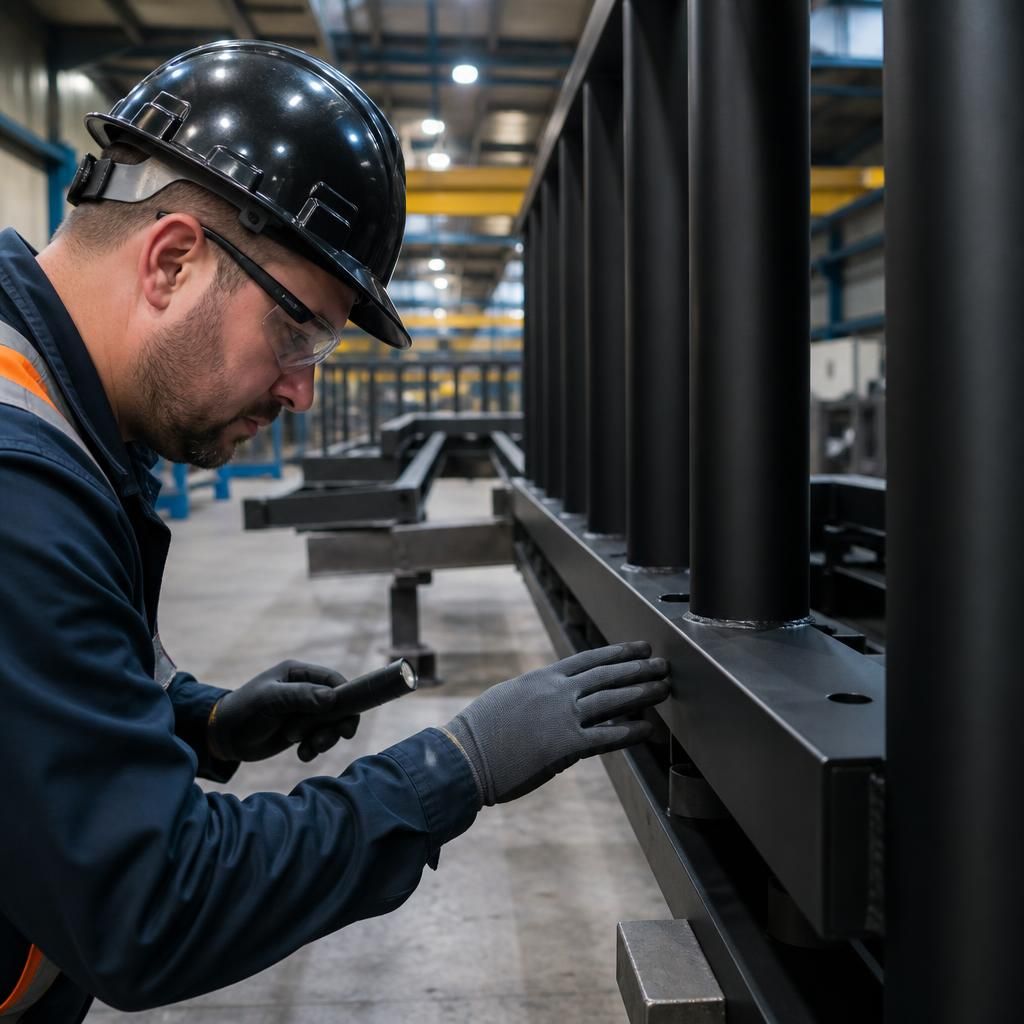
Include an event-based inspection in addition to routine maintenance. After an impact, chemical spill, fire, overheating incident or flood, examine the stainless steel black coating before the component returns to service. Damage may include blistering, lifting, softening or loss of adhesion that is not immediately obvious from the surface appearance. Record the incident and seek a coating assessment where the coating has been exposed to conditions outside its specification, rather than relying on cleaning alone.
Discuss your stainless steel black coating requirements
Share your component details, service environment and existing coating specification with the powder-coating team to discuss suitable maintenance and repair requirements. This can help establish an appropriate care plan for your stainless steel black-coated parts.