

What environmental factors, besides UV exposure, can affect the performance of UV resistant powder coatings?
Besides UV exposure, moisture, temperature extremes, chemicals, salt, abrasion and industrial pollution can affect the performance of UV resistant powder coatings. These factors may cause corrosion beneath the finish, colour or gloss changes, loss of adhesion, cracking or surface wear if the coating system is not matched to the service environment.
The performance of a UV resistant powder coating depends on more than the resin and UV stabilisers. Substrate condition, pretreatment, curing, film thickness, component design, mechanical movement, cleaning practices and contact with dissimilar materials can all determine whether the coating remains firmly bonded and protects the metal beneath it.
Substrate condition and preparation
Powder coating cannot compensate for a poorly prepared substrate. Mill scale, oil, grease, rust, weld residue, sharp spatter and other contaminants can prevent the coating from forming a sound bond with the metal. Defects at the coating-to-metal interface may remain hidden initially but can develop into lifting, blistering or localised corrosion as the component is used.
The preparation method must suit the substrate and its previous condition. Steel, aluminium, galvanised steel and other metals may require different cleaning, blasting or chemical pretreatment processes. A suitable conversion layer can improve adhesion and provide additional protection at the interface, but it must be compatible with both the metal and the selected powder system.
Curing and film formation
Powder coatings need the correct combination of metal temperature and cure time to form the intended cross-linked film. Under-curing can leave the finish with inadequate hardness, adhesion or resistance to service conditions. Excessive curing can affect colour, gloss and flexibility. Large or complex components may heat unevenly, so the oven cycle should be based on the actual part temperature rather than air temperature alone.
Contamination in the application area can also affect film quality. Dust, silicone, oil or incompatible residues may cause craters, pinholes or poor wetting. These defects reduce the continuity of the protective layer and can become initiation points for deterioration.
Film thickness and coverage
Consistent film build is important. Thin areas may provide less protection than specified, while excessive thickness can reduce flexibility and contribute to cracking or other finish defects. Recesses, internal corners, threaded sections and areas shielded during electrostatic application may receive less powder than exposed faces. The Faraday cage effect is a particular consideration around deep corners and enclosed sections.
Edges deserve special attention because a coating can draw away from a sharp profile during curing, leaving reduced coverage at the most exposed part of the component. Rounded edges, suitable edge preparation and an agreed film-thickness inspection process can help produce more uniform protection.
Component design and joint details
Design can influence coating performance even when the powder and application process are suitable. Narrow gaps, unsealed joints, overlapping sections and enclosed cavities can make cleaning, pretreatment and inspection difficult. They may also hold debris or create localised conditions that are more demanding than those on open surfaces.
Fasteners, hinges, inserts and other uncoated or separately coated parts should be considered as part of the complete assembly. Movement between components can damage the finish at contact points, while exposed interfaces between dissimilar metals may create galvanic corrosion if they are not properly isolated.
Mechanical movement and service loads
Repeated flexing, vibration, impact and distortion can challenge a cured powder film. This is particularly relevant where coated panels are thin, components are assembled under stress, or parts expand and contract differently from attached materials. A coating selected for a rigid component may not be suitable for a part that is regularly bent or subjected to repeated movement.
Handling during fabrication, transport and installation should also be taken into account. Damage to an edge or fixing area can expose the substrate and create a local defect, even if the surrounding finish remains intact.
Cleaning regimes and biological deposits
Routine cleaning can influence the condition of the finish. Strong detergents, unsuitable solvents, abrasive tools and excessive pressure can change the surface or remove material from a damaged area. Cleaning products should therefore be checked for compatibility with the coating and used according to the coating specification.
Leaves, soil, bird deposits and biological growth can retain contaminants against a surface and make defects harder to identify. Components installed beneath trees, near vegetation or in persistently shaded locations may need more frequent inspection and gentler cleaning than exposed, easily accessible surfaces.
Specification and inspection
Before selecting a UV resistant powder coating, define the complete service environment rather than considering sunlight alone. Relevant information includes the substrate, component geometry, expected movement, contact with other materials, cleaning method, installation conditions and the consequences of a coating defect.
Quality checks should cover substrate preparation, pretreatment, appearance, film thickness, cure and adhesion where appropriate. Inspecting edges, joints, recesses and fixing points is often more informative than assessing only a large, flat visible face. Matching the coating system and preparation process to the component’s actual use is the most reliable way to maintain performance beyond its resistance to UV exposure.
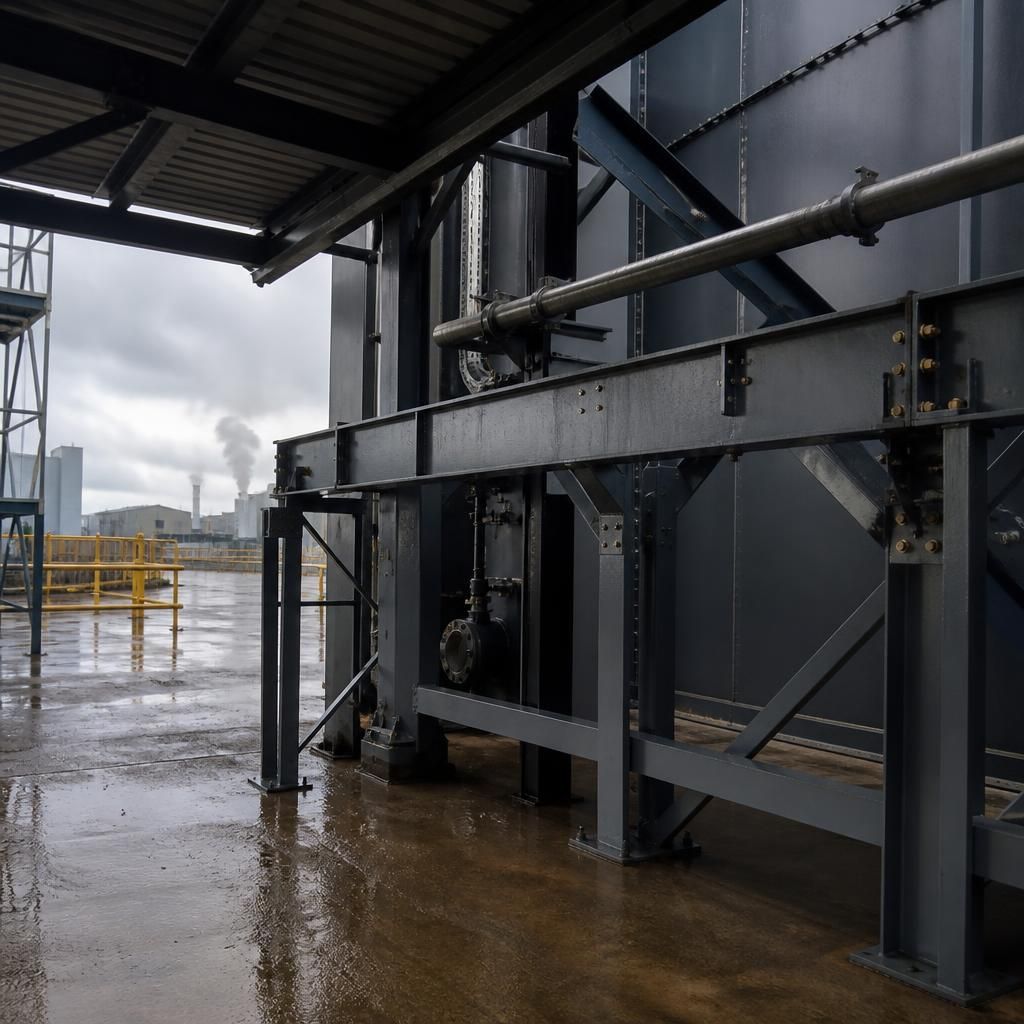
Local exposure conditions can vary significantly within the same site, so a regional climate description is not always enough to predict coating performance. A component positioned beneath an overhang, inside a partially enclosed structure or close to an exhaust outlet may experience different levels of condensation, deposited contaminants and drying than a fully exposed surface.
When specifying a UV resistant powder coating, assess the component’s exact position, orientation and surroundings. Consider whether water or deposits can remain on particular faces, whether nearby processes release vapours or particulates, and whether different parts of an assembly experience contrasting conditions. This helps determine whether one coating specification is suitable throughout or whether particularly exposed areas require additional protection.
Discuss your UV resistant powder coating requirements
Discuss your UV resistant powder coating requirements with our team, providing details of the substrate, component design and environmental conditions. We can help identify the preparation and coating considerations relevant to your metal components.