

What are the environmental considerations and sustainability benefits of using powder coated aluminium in industrial applications?
Powder coated aluminium can support more sustainable industrial applications through a durable, low-VOC finish that avoids many solvent-based coating emissions and helps extend the service life of metal components. Aluminium can also be recycled, although the overall environmental impact depends on factors such as the coating process, energy use, pretreatment and end-of-life recycling.
The environmental performance of powder coated aluminium in industrial applications is determined by the complete product lifecycle, not by the coating alone. Relevant factors include the source and processing of the aluminium, surface preparation, powder application, curing energy, coating waste, transport, service life, maintenance and end-of-life recovery.
Material selection and embodied impact: Aluminium is lightweight and resistant to corrosion, which can reduce the need for replacement parts and associated manufacturing and transport. However, producing primary aluminium is energy-intensive. Specifying recycled-content aluminium where technically suitable can alter the material footprint, although the source, quality and traceability of that material should be confirmed rather than assumed. A lifecycle assessment is the most reliable way to compare different material and finish combinations for a particular component.
Efficient powder application: Powder is applied as a dry coating and cured onto the prepared aluminium surface. Application efficiency matters because unused powder may become waste, while controlled collection and reuse can reduce material losses where the coating specification and equipment allow it. Overspray management, booth cleaning and the handling of contaminated powder should form part of the coating contractor’s environmental controls.
Energy used during curing: The curing stage requires controlled heat to form the finished coating. Its environmental impact depends on the oven design, operating conditions, batch size, loading efficiency and energy source. Components should be specified and arranged so that the curing process does not involve unnecessary repeat cycles. Correct pretreatment and application control are also important because rework consumes additional materials and energy.
Pretreatment and wastewater: Aluminium normally requires cleaning and chemical pretreatment before coating. These stages can affect the environmental profile through chemical use, rinse water, sludge and disposal requirements. Appropriate process control helps maintain coating adhesion while limiting avoidable rejects. For a procurement assessment, it is reasonable to ask how chemicals, rinse water and process residues are managed, rather than assessing the powder finish in isolation.
Long-term service performance: A finish that protects aluminium against the conditions it will encounter can reduce the environmental burden associated with premature replacement, stripping and recoating. The correct specification depends on exposure, cleaning regime, component geometry and the required appearance. Industrial parts exposed to moisture, pollutants, abrasion or chemicals may need a coating system selected specifically for those conditions. Over-specifying a finish can use more resources than necessary, while under-specifying it can lead to earlier intervention.
Maintenance considerations: Routine cleaning with suitable methods can help preserve the coating without introducing aggressive chemicals or abrasive processes. Maintenance instructions should identify compatible detergents, prohibited solvents and suitable cleaning equipment. Avoiding unnecessary stripping or repainting reduces additional material use, but damaged components should be assessed promptly so that local defects do not develop into wider corrosion problems.
Design for recovery: End-of-life outcomes improve when products are designed for disassembly and material identification. Where practical, avoid permanently combining aluminium with materials that are difficult to separate, and retain information about the coating system and any other treatments. The presence of a coating does not remove the need to consider how the complete assembly will be dismantled and processed at the end of its working life.
Transport and production planning: Collection, delivery and packaging contribute to the overall footprint of a coating project. Grouping compatible work into efficient batches, using returnable or appropriately sized packaging and avoiding unnecessary movements can reduce these impacts. This is particularly relevant for large or irregularly shaped components, where handling and transport may account for a greater share of the project’s environmental burden.
For a meaningful comparison, industrial buyers should request information about:
- the aluminium grade and, where relevant, recycled content or material traceability;
- the powder specification and any environmental product information available;
- pretreatment chemicals, rinse-water controls and waste handling;
- powder recovery, overspray management and rework procedures;
- energy use and curing requirements for the proposed coating system;
- cleaning and maintenance requirements in the intended operating environment; and
- how the finished component can be dismantled and directed into appropriate end-of-life streams.
Powder coated aluminium can therefore support a lower-impact industrial specification when the coating, substrate, production method and end-of-life route are considered together. The strongest assessment is application-specific: it compares the full lifecycle of the proposed component with realistic alternatives rather than treating a single characteristic, such as coating chemistry or recyclability, as the complete sustainability result.
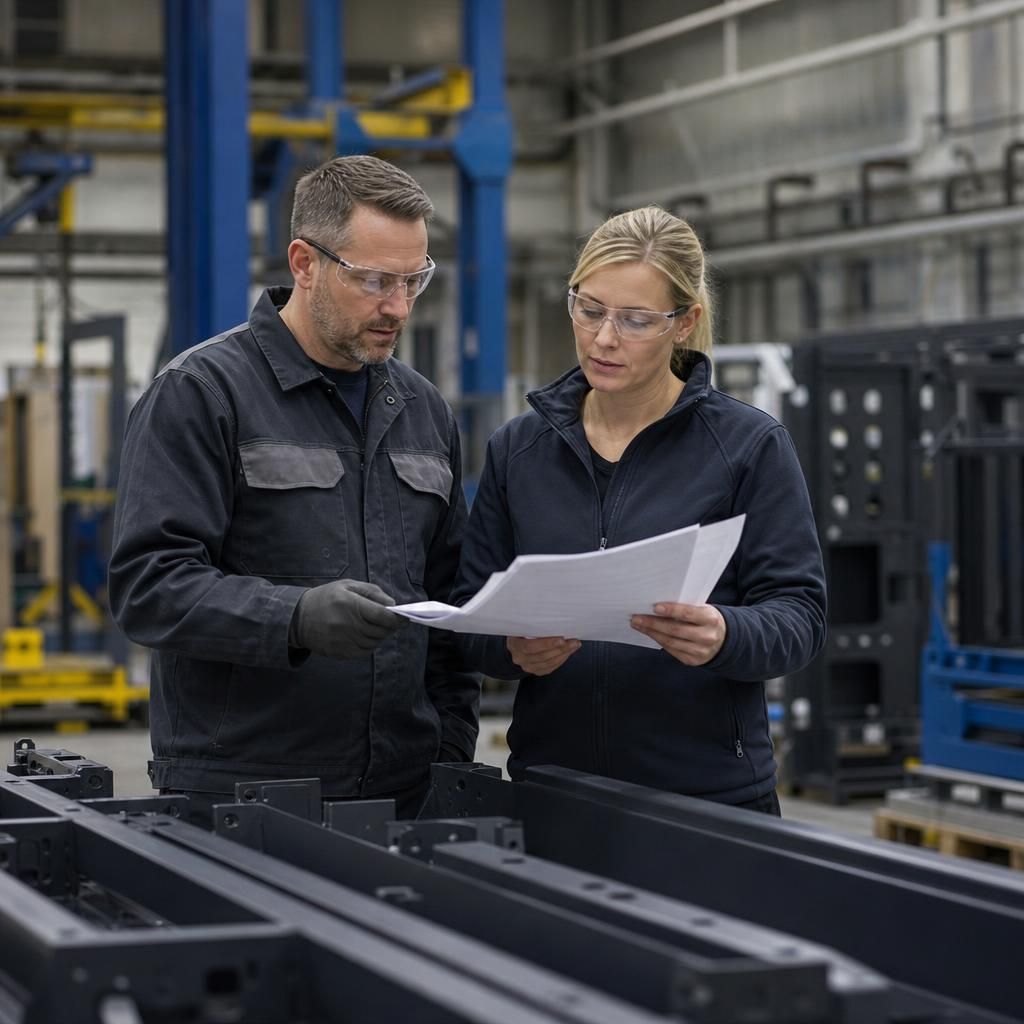
Environmental claims about powder coated aluminium should be supported by evidence rather than based on the coating description alone. For a meaningful procurement review, ask for technical and environmental documentation covering the specified system, including product data, safety information and any available lifecycle or environmental product assessment. These records help distinguish a verified characteristic from a broad sustainability claim and allow comparisons between finishes on a consistent basis.
Assessment should also reflect the intended application. A coating selected for indoor components may be unsuitable for exposed industrial equipment, while a system designed for severe conditions could be unnecessary for a protected part. Matching the specification to the actual operating environment avoids treating one coating grade as universally sustainable.
Discuss the environmental requirements for your powder coated aluminium components
Discuss your powder coated aluminium components with the coating team, including their operating environment and sustainability requirements. They can help identify a suitable coating specification and the technical or environmental documentation needed for your assessment.