

What safety precautions should be taken during the removal of powder coating from metal surfaces?
During powder coating removal, complete a task-specific risk assessment, isolate the work area, and use suitable PPE, including eye protection, gloves, protective clothing and respiratory protection where dust or vapour may be produced. Control airborne particles with local extraction, maintain adequate ventilation, follow chemical safety data and disposal instructions, and inspect the metal surface and equipment before returning them to service.
Safe powder coating removal depends on controlling the particular hazards created by the removal method, the coating’s composition and the shape of the metal component. Before work begins, establish what the coating may contain, how it will be removed and what condition the substrate must be in afterwards. A method that is suitable for a robust steel part may damage thin sheet, threaded features, seals, welds or heat-sensitive components.
Confirm the coating and substrate before disturbing them
Do not assume that an old coating is chemically harmless. Older industrial finishes may contain hazardous pigments or residues, particularly where the coating’s history is unknown. If there is a reasonable possibility of lead, chromium compounds or another hazardous substance, obtain appropriate testing or specialist advice before sanding, blasting or heating the surface. The base metal should also be identified, because aluminium, galvanised steel, stainless steel and plated components can react differently to abrasives, heat and stripping chemicals.
Check whether the component contains hidden hazards such as trapped liquids, process residues, grease, batteries, electrical parts, gas pressure or sealed cavities. Drain, clean, depressurise and disconnect anything that could release material when the part is drilled, heated, blasted or immersed. Components should be supported securely so they cannot roll, fall or shift while force is applied.
Control mechanical removal hazards
Grinders, needle guns, abrasive wheels and blasting equipment can produce flying fragments, sharp edges, noise, vibration and sudden tool movement. Use tools with the correct guards, handles, discs and operating ratings, and check them for damage before use. Keep cables, hoses and power connections away from wet areas, sharp edges and moving equipment. The workpiece should be clamped or otherwise restrained rather than held by hand.
Abrasive blasting requires particular attention to rebound and hose control. Inspect couplings, dead-man controls and hoses, and never bypass a safety control. Keep other people away from the blast stream and prevent spent abrasive from creating a slip or trip hazard. Compressed air should not be used casually to blow coating dust from clothing, skin or nearby surfaces, as this can spread particles and force them into the eyes or skin.
Noise and hand-arm vibration should be considered when selecting the equipment and organising the work. Limit exposure in accordance with the equipment instructions and workplace controls, and provide suitable hearing protection where required. Stop if a tool begins to vibrate abnormally, overheats or behaves unpredictably.
Take extra care with chemical stripping
Read the product safety data and technical instructions before opening a stripping agent. Confirm that it is compatible with the metal, welds, seals and surrounding materials, and use only a suitable container. Never mix stripping products, add unapproved substances or transfer chemicals into an unlabelled vessel. Keep containers closed when not in use and deal with leaks using the product-specific procedure rather than improvised absorbents.
Use controlled application and removal methods that prevent splashing and unnecessary contact. Chemical residues can remain in seams, recesses and hollow sections, so the part may require thorough rinsing or neutralisation in accordance with the product instructions. Do not release washings, sludge or spent stripper to drains or soil. Keep chemical waste in compatible, labelled containers and arrange disposal through an appropriate waste route.
Manage heat and ignition risks
Thermal stripping can generate fumes from the coating and may ignite residues, nearby materials or accumulated dust. Remove combustible materials from the work zone, check whether the component has concealed cavities and keep suitable fire controls available. Do not heat unknown coatings until their composition and the ventilation arrangements have been considered. Monitor the part after heating because hot metal and retained heat can cause burns or ignite materials after the tool has been put down.
Where solvents, flammable chemicals or combustible dust are present, eliminate ignition sources and use equipment appropriate to the environment. Smoking, naked flames and unsuitable electrical equipment should not be permitted in an area where vapours or dust may accumulate.
Protect people during handling and clean-up
Removed coating, sharp fragments and contaminated abrasives should be collected without sweeping them into the air. Use suitable industrial cleaning equipment and place waste directly into marked containers. Clean tools and work surfaces using a method that does not redistribute contamination, and wash hands before eating, drinking or leaving the work area.
Plan how heavy or awkward parts will be lifted, rotated and transported. Use mechanical assistance where necessary and ensure lifting points and slings are suitable for the load. Newly stripped metal may have sharp edges or exposed defects, so handle it carefully and protect surfaces from further contamination or corrosion while it awaits repair or recoating.
Provide a clear response for incidents
Workers should know the procedure for chemical splashes, eye contamination, cuts, burns, inhalation, fire and equipment failure before removal starts. Keep appropriate first-aid arrangements and emergency washing facilities accessible, and follow the chemical supplier’s instructions after exposure. Any incident involving suspected hazardous coating, uncontrolled dust or chemical release should result in the work stopping until the cause has been assessed and the controls have been corrected.
For complex components, unidentified coatings, enclosed areas or removal involving blasting, heat or aggressive chemicals, specialist preparation is safer than treating the work as routine maintenance. The correct approach protects workers while also reducing the chance of distortion, contamination or damage to the metal surface that will later need repair and recoating.
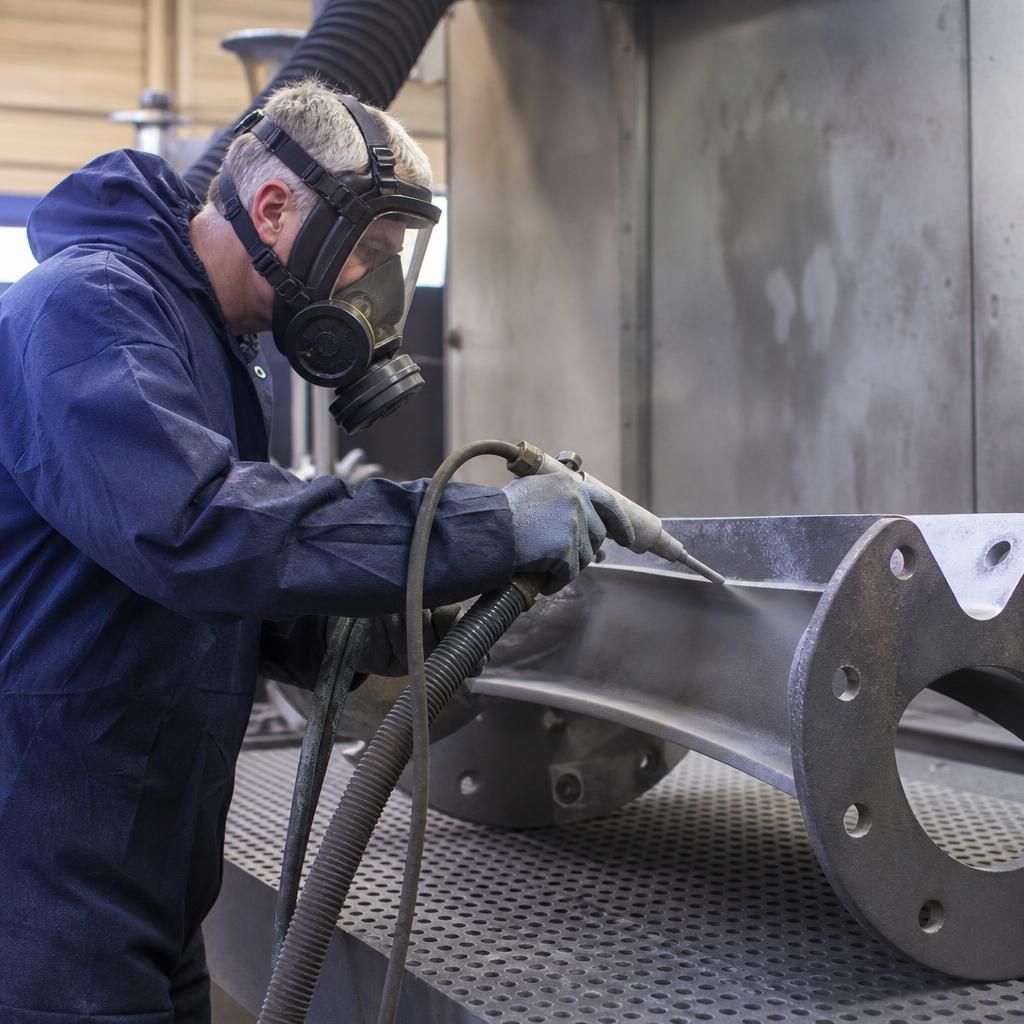
Respiratory protection during powder coating removal must match the contaminant produced by the chosen method. A particulate filter can reduce exposure to coating dust, but it does not protect against solvent vapour, thermal decomposition products or an oxygen-deficient atmosphere.
Select RPE from the task risk assessment and the coating or stripping product’s safety data. Tight-fitting masks require a suitable face-fit test and a clean-shaven sealing area; glasses, hoods and other equipment must not interfere with the seal. Users should be trained to put on, check, maintain and replace the equipment correctly. RPE is a final control measure, not a substitute for removing the hazard or containing it at source.
Discuss Safe Powder Coating Removal for Your Metal Components
For complex, damaged or unidentified components, discuss the coating and substrate with a powder-coating specialist before removal begins. This helps establish a suitable preparation route while protecting the metal part and the people handling it.