

Are different metal substrates treated differently in the surface clean pretreatment process, and why does it matter for powder coating performance?
Yes. Steel, galvanised steel, aluminium and other metals require substrate-appropriate cleaning and pretreatment because their surface chemistry, oxide layers and corrosion behaviour differ; selecting the correct process helps the powder coating bond effectively and provides the required protection in service.
Different metal substrates require different cleaning and pretreatment controls because each one has its own surface chemistry, oxide layer, porosity and corrosion behaviour. A process that is suitable for carbon steel may be too aggressive for aluminium or zinc, while a treatment designed for galvanised steel may not adequately prepare stainless steel. Matching the preparation to the substrate helps create a clean, chemically receptive surface for powder coating and reduces the risk of adhesion loss, blistering, corrosion and uneven appearance.
Carbon and mild steel commonly carry oil, grease, mill scale, weld residues, handling marks and corrosion products. The preparation sequence may therefore include alkaline cleaning, rinsing, rust or scale removal and a suitable conversion treatment. Rust must be removed rather than sealed beneath the coating. Particular care is also needed after rinsing, because bare steel can develop flash rust if it remains wet or is exposed to contamination before the next stage.
Galvanised steel has a zinc surface rather than exposed iron. Its preparation must remove oils and storage residues without unnecessarily attacking the zinc layer. New galvanised surfaces can also contain passivation treatments, white rust or other residues that affect coating adhesion. The pretreatment needs to leave the zinc clean and suitably receptive while preserving the protective zinc coating. Excessive chemical attack can reduce the corrosion protection that the galvanising was intended to provide.
Aluminium forms a tenacious oxide layer quickly when exposed to air. Although the oxide provides some natural protection, it can interfere with consistent coating adhesion if it is contaminated, uneven or poorly prepared. Aluminium cleaning may therefore involve degreasing, controlled etching or deoxidising, followed by a compatible conversion treatment. The chemistry must be controlled carefully: overly aggressive treatment can alter the surface profile, attack the metal or produce an uneven finish, particularly on thin sections and visible components.
Stainless steel is protected by a chromium-rich passive oxide film. Degreasing is essential, but simply treating it like mild steel is not appropriate. The surface may need controlled activation to provide a suitable key for the coating, while contamination from carbon-steel tools, abrasive media or handling must be avoided. Embedded iron particles can create localised corrosion even though the main component is stainless steel.
Other substrates introduce further considerations. Cast iron can retain oil in pores and may release gases or residues during subsequent heating. Zinc die-castings can be sensitive to chemical attack and may contain porosity that affects coating appearance. Mixed-metal assemblies require particular care because different metals can respond differently to the same bath, rinse or drying conditions. If dissimilar metals are joined, the treatment must be compatible with every exposed surface.
A substrate-appropriate pretreatment process normally considers:
- Contamination: oil, grease, dust, oxide, rust, weld residues, drawing compounds and previous treatments must be identified before the cleaning sequence is selected.
- Surface condition: scale, corrosion, porosity, sharp edges and existing conversion layers can change how chemicals contact the metal.
- Chemical compatibility: cleaners, deoxidisers, conversion products and rinse stages must remove contamination without damaging the base metal or its protective layer.
- Process control: concentration, temperature, contact time, rinsing and drying all affect the consistency of the prepared surface.
- Handling: clean parts should be protected from fingerprints, workshop dust, moisture and contact with unsuitable materials before powder application.
The reason this matters to powder coating performance is that the coating does not bond reliably to contamination or unstable corrosion products. A clean and suitably conditioned substrate allows the powder film to form a more consistent interface with the metal. If preparation is inadequate, defects may appear as poor adhesion, flaking, bubbling, under-film corrosion or visible variation in the finish. These problems can become more pronounced at edges, welds, recesses and joints, where cleaning and rinsing are more difficult.
Selection should also reflect the component’s service environment and the required coating system. Indoor parts with limited exposure may have different preparation requirements from components exposed to moisture, road salt, chemicals or changing temperatures. The metal grade, previous surface treatment, fabrication method and intended use should therefore be established before processing rather than relying on a single standard cleaning recipe for every job.
In practice, effective pretreatment is a controlled sequence rather than one cleaning operation. Parts are assessed, cleaned using substrate-compatible chemistry, rinsed thoroughly, treated where necessary, dried and inspected before coating. Visual checks can identify remaining oil, staining, rust or residue, while appropriate process checks help confirm that the surface is consistently prepared. This disciplined approach is especially important for batch work, where small differences in substrate condition can otherwise produce inconsistent powder coating results across the same production run.
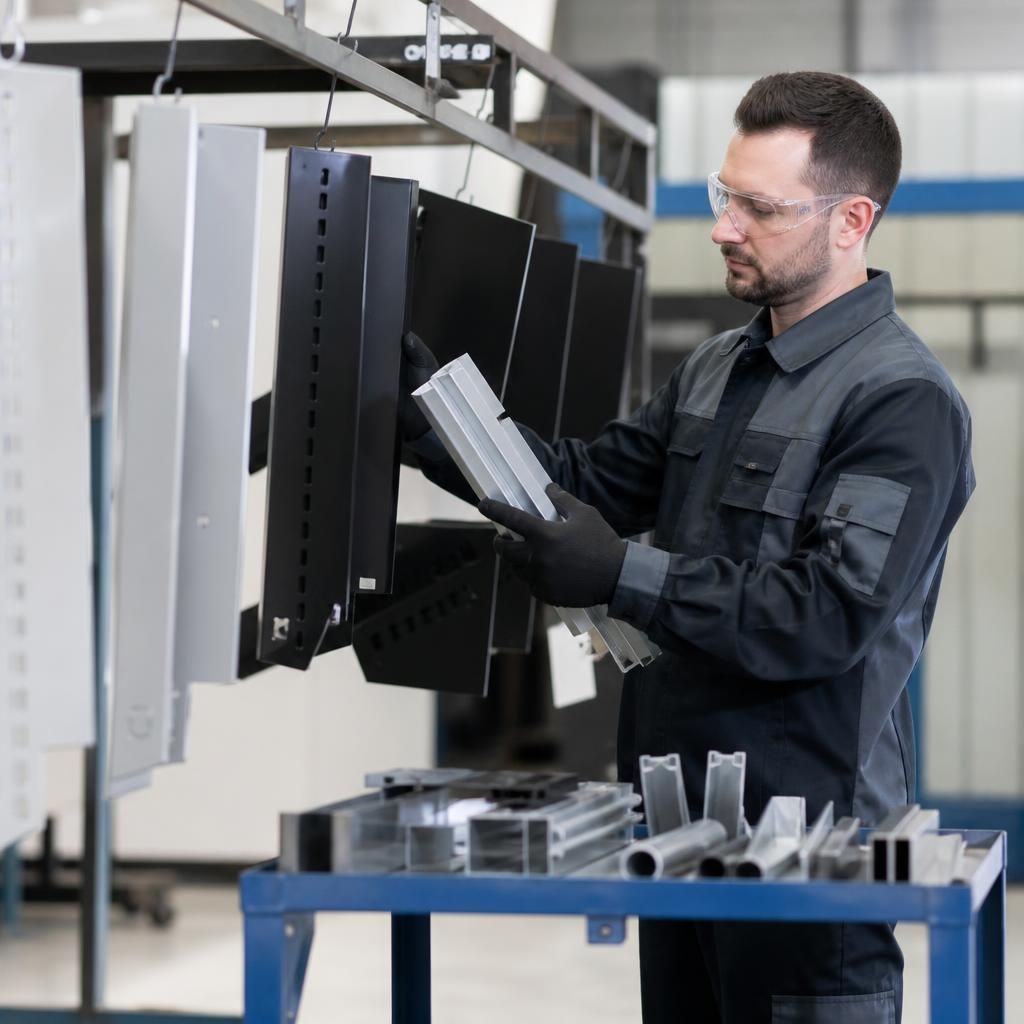
Substrate identification should be confirmed before parts enter the pretreatment line, rather than relying on appearance alone. Visually similar components may be made from different metals or carry different factory-applied treatments, so the process record should identify the material, fabrication history and any existing finish. This prevents parts requiring different preparation from being processed together under an unsuitable cycle.
Segregating substrates also reduces cross-contamination. Residues from carbon-steel handling equipment, abrasive media or previous chemical stages can compromise more corrosion-resistant metals, while mixed loads may receive inconsistent exposure in the same treatment stage. Clear identification, dedicated handling where appropriate and traceable batch records help link the finished coating to the correct preparation route and make any investigation of adhesion or corrosion defects more precise.
Discuss Your Metal Substrate Pretreatment Requirements
Discuss your metal substrate, existing finish and intended service environment with our team before processing so the pretreatment route can be assessed correctly. Share your component details and batch requirements to establish a suitable preparation approach for powder coating.