

What common mistakes should be avoided during the aluminium powder coat pretreatment process to ensure optimal results?
Common aluminium powder coat pretreatment mistakes include incomplete cleaning, inconsistent etching, contaminated rinse water, inadequate drying and incorrect chemical conversion coating. These errors can leave residues or create an unstable surface, reducing powder adhesion and increasing the risk of blistering, corrosion and premature coating failure.
Optimal aluminium powder coating depends on treating the substrate as a controlled surface rather than simply passing it through a sequence of chemical stages. Common additional mistakes include using the wrong process for the alloy, overlooking the component’s design, allowing prepared parts to become recontaminated, and failing to verify the process before production. Each can reduce coating performance even when the basic cleaning, etching, rinsing, drying and conversion stages appear to have been completed.
Failing to identify the aluminium alloy and existing surface condition
Aluminium alloys vary in composition and may contain copper, silicon, magnesium or other elements that affect how the surface reacts during pretreatment. Castings, extrusions, sheet components and previously treated parts can therefore require different process controls. A mistake is to apply one standard treatment without checking the alloy, oxide condition, heat-treatment history or the presence of an existing coating.
Before processing, establish whether the component has been anodised, painted, bonded, polished or exposed to aggressive contaminants. Residual anodising, adhesive, sealant or old coating may need a separate removal method. If the substrate is unknown, a small trial area or test panel can help establish whether the selected process produces a consistent, receptive surface.
Ignoring component design and drainage
Complex aluminium parts can trap chemicals in recesses, blind holes, folded sections and overlapping joints. If the component is positioned incorrectly, treatment fluid may not drain fully, leaving local residues or causing later seepage during heating. These problems are especially relevant to fabricated assemblies, box sections and parts with narrow internal cavities.
Review how each component will be hung and orientate it so that liquid can enter and leave all accessible areas. Provide suitable drainage paths where the design permits, avoid closed pockets that cannot be treated reliably, and use racking points that do not create shielded areas. The contact point should be selected with the final appearance and coating coverage in mind.
Using unsuitable racking or handling methods
Racking that is too weak, poorly positioned or incompatible with the process can cause movement, contact marks and untreated shadow areas. Parts should be supported securely without excessive contact between one another. Overloading a rack can also restrict access to the surface and make process exposure less consistent.
After pretreatment, avoid touching functional or visible surfaces with bare hands. Fingerprints, lubricants from handling equipment and workshop dust can reintroduce contaminants. Use clean gloves and suitable supports, and protect prepared parts from contact with dirty benches, packaging or unclean transport equipment.
Choosing chemistry without checking compatibility
Pretreatment chemistry must be suitable for the aluminium substrate, the intended service environment and the powder coating system. A process designed for another metal, or a general-purpose chemical used outside its intended operating range, can produce poor surface characteristics or interfere with subsequent coating adhesion.
Do not add chemicals by guesswork or compensate for a process fault by making unplanned adjustments. Follow the chemical supplier’s technical instructions, including concentration, contact conditions and replenishment requirements. Where a conversion system is specified, confirm that it is approved for aluminium and compatible with the powder coating and end-use requirements.
Allowing bath control to drift
A process can become unreliable when operators monitor only the appearance of the parts and do not check the treatment baths. Concentration, pH, temperature, contamination and carry-over can change as production continues. A bath that initially performs well may therefore produce variable results later.
Use a documented control plan covering the relevant measurements and inspection frequency. Record results, identify trends and define corrective actions before conditions move outside the supplier’s recommended limits. Do not rely solely on colour, foam or visual clarity as evidence that the chemistry is suitable.
Overlooking water quality and carry-over between stages
Even where rinse stages are present, poor control of water quality or excessive carry-over from one tank to the next can upset the process. Drag-out may alter the chemistry of subsequent stages, while mineral deposits can remain on the aluminium and affect the final surface.
Keep tanks, sprays, nozzles and pipework maintained, and ensure that parts are positioned to minimise unnecessary carry-over. The correct rinse arrangement depends on the process specification and water quality; it should be validated rather than assumed to be adequate because the equipment is operating.
Skipping inspection and verification
Visual inspection alone may not reveal a weak or unevenly prepared surface. Establish checks appropriate to the process, such as examination for water-break behaviour, visible residues, stains, contact marks, unprocessed areas and signs of flash corrosion. Any abnormality should be investigated before powder is applied, rather than concealed beneath the coating.
For repeat production, retain process records and inspect representative parts from each batch. Test panels or sample components can help compare changes in alloy, racking, chemical condition or line settings. If the coating system has a specified adhesion or performance test, carry it out in accordance with the relevant technical requirement.
Releasing parts without considering the time between stages
Prepared aluminium should not be left exposed unnecessarily before powder application. Storage conditions, airborne contamination and handling can alter the surface after treatment. If a delay is unavoidable, define suitable protection and storage controls with the coating and pretreatment suppliers rather than assuming that the surface remains unchanged indefinitely.
The most reliable approach is to treat pretreatment as a controlled manufacturing process: confirm the substrate, design the racking and drainage arrangement, use compatible chemistry, monitor process conditions, prevent recontamination and verify representative parts. These controls address causes of coating failure that may not be visible until the finished component is tested or placed in service.
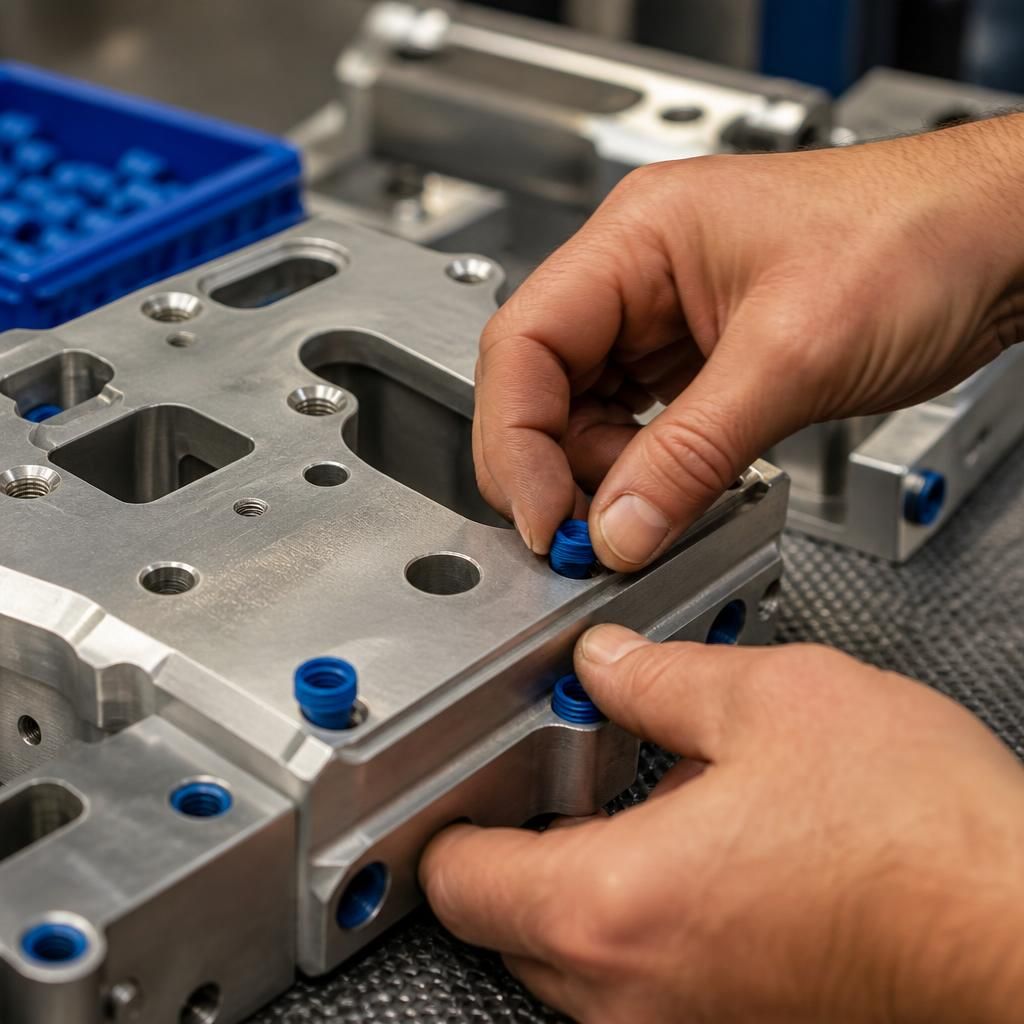
A further mistake is failing to plan masking for threaded holes, machined faces and other areas that must remain free from powder. Unprotected features can collect pretreatment chemicals and coating, while unsuitable masking materials may soften, shed residue or allow solution to seep underneath.
Use plugs, caps or masking products that are compatible with the cleaning, etching and conversion stages. Confirm which surfaces require protection before processing, ensure the masking remains secure throughout the line, and inspect the component after removal. Masking should protect critical interfaces without shielding adjacent aluminium that needs to receive a complete pretreatment and powder coating.