

What are the specific temperature and time parameters required for optimal curing in your two-coat powder coating process?
Optimal curing parameters are set from the powder manufacturer’s technical data sheet, with the required metal temperature and dwell time verified for each coat rather than relying solely on the oven air temperature. In a two-coat process, the first layer must be cured and prepared correctly before the second coat is applied and cured, with adjustments made for component thickness, shape and thermal mass.
There is no single temperature-and-time schedule that applies to every two-coat nylon powder coating process. The correct parameters are the cure schedule specified for the particular powder system, applied to the component rather than selected as a generic oven setting. Each coat should therefore have a documented target temperature, required dwell period and approved process window.
For each coat, establish the following parameters:
- Metal temperature: the component must reach the specified curing temperature before the required dwell period is counted.
- Dwell time: timing should begin once the coating and metal have reached the required temperature, not simply when the oven has reached its set point.
- Heating profile: the rate at which the component heats should be checked, particularly for heavy sections, enclosed areas and assemblies with different material thicknesses.
- Permitted process window: the powder supplier’s data should identify whether the system allows a shorter cure at a higher temperature or a longer cure at a lower temperature.
- Cooling and handling limits: the component should be allowed to cool sufficiently before inspection, masking removal, assembly or packing, in line with the coating system’s instructions.
The first coat’s treatment depends on the specification for the complete coating system. Some two-coat systems require the base layer to receive a full cure before the second application, while others use an intermediate or gel stage so that the subsequent coat can bond correctly. This distinction must be confirmed before production because applying the second layer over an incorrectly cured base can affect adhesion, appearance and final performance.
Where the first coat is fully cured, the surface should be checked before recoating. The required checks may include cleanliness, surface damage, contamination, coverage and suitability of the intercoat surface. Any preparation must follow the approved system instructions; excessive abrasion or unsuitable cleaning can introduce defects rather than improve adhesion.
For the second coat, the curing schedule should be assessed as part of the combined coating thickness, not as though it were a single isolated layer. The total film build can change heat transfer, appearance and the way the coating responds during the final cure. Excessive heat exposure may cause colour change, loss of surface quality or other finish defects, while insufficient curing can leave the coating below its required performance.
In batch production, the practical control point is the coldest or slowest-heating representative part in the load. Test components or temperature probes can be used during process validation to confirm that the required cure condition is achieved at relevant locations, including dense sections, recesses and areas shielded by the rack arrangement. Oven air readings alone do not demonstrate that every component has completed the required cycle.
A suitable production record should identify the powder system, coat sequence, oven settings, measured component temperature, dwell period, load configuration and any deviations. The process should be rechecked when the component design, batch arrangement, coating thickness, rack position or powder specification changes. This provides evidence that the selected parameters remain appropriate rather than assuming that one schedule will suit every job.
In practical terms, the exact figures for both coats should be taken from the relevant technical data and confirmed through a controlled trial. Where the data gives a range, the chosen point within that range should reflect the component’s mass, geometry, required finish and the limitations of the oven. A qualified coating process should not substitute a standard temperature or fixed time for this assessment.
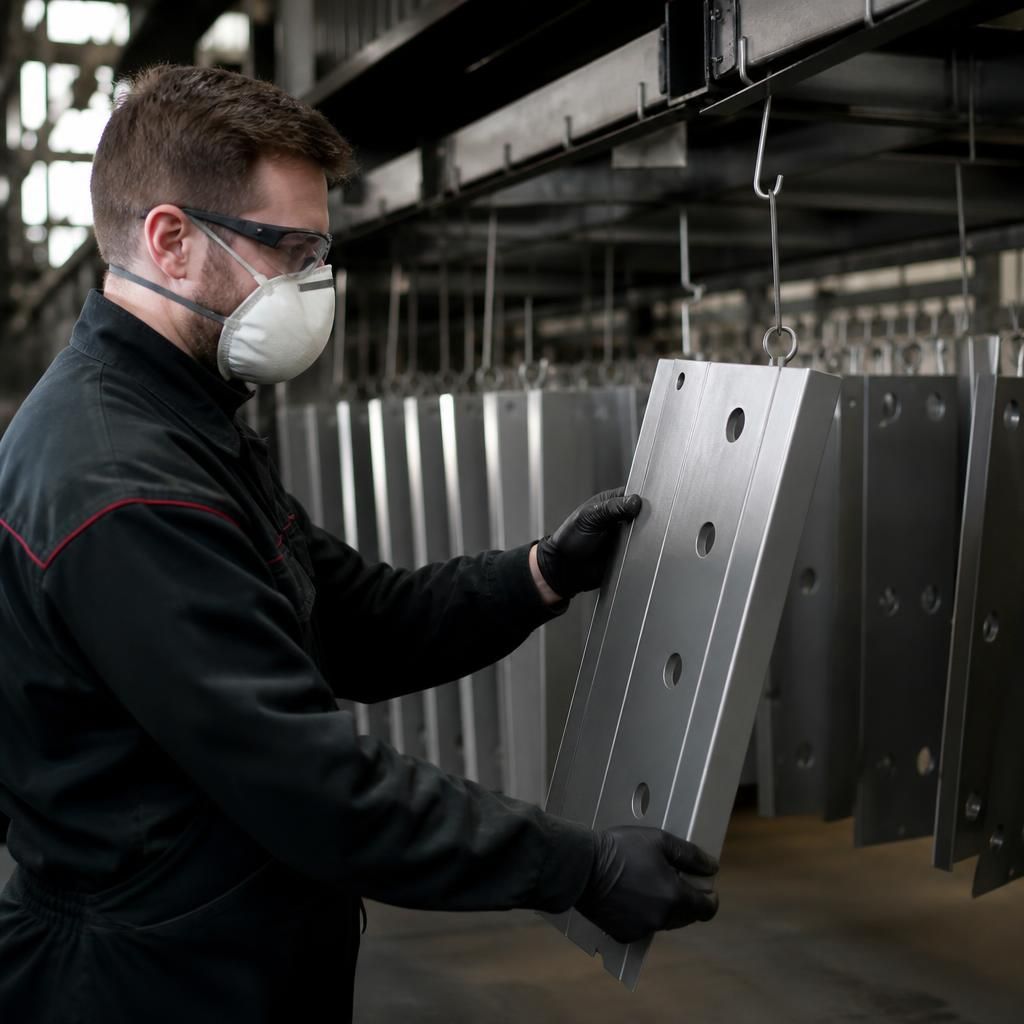
For a two-coat nylon system, the curing schedule should be treated as a controlled thermal history rather than two unrelated oven cycles. The first coat’s condition—whether fully cured, gelled or otherwise prepared for recoating—determines how the second layer will flow and bond. The final cycle must then provide sufficient heat for the complete coating build without exposing the underlying layer to an unsuitable additional cure. This is why the approved powder-system instructions and a validated production trial are needed to define the parameters for each coat.