

What are the maintenance requirements for stainless steel high temp powder coatings to ensure sustained performance in industrial environments?
Maintenance involves routine inspection for discolouration, blistering, cracking, corrosion at exposed edges and mechanical damage, followed by cleaning with a non-abrasive method suited to the coating and operating environment. Remove contaminants promptly, check areas exposed to repeated thermal cycling, and repair or recoat damaged sections using compatible preparation and application procedures before the substrate is affected.
Maintaining stainless steel high temperature powder coatings requires a documented, condition-based programme that controls contamination, thermal exposure, mechanical loading and chemical contact. The coating should be assessed against the conditions for which it was specified, with maintenance records used to identify gradual changes before they affect the coated component or the stainless steel beneath it.
Keep an operating record. Record the component’s normal and peak operating temperatures, exposure to thermal cycling, process chemicals, moisture, salt, oils and abrasive dust. Note any changes to the process or cleaning regime, since a coating selected for dry heat may require a different maintenance approach if it later encounters condensate, solvents or aggressive wash-down chemicals. These records help determine whether a change is caused by service conditions, installation, contamination or coating deterioration.
Control thermal exposure. The coating should remain within the temperature range specified for the particular formulation and application. Repeated excursions above that range can accelerate colour change, loss of flexibility or degradation of the coating film, even where the component appears intact. Avoid abrupt heating or cooling where the equipment design permits control, and investigate any new hot spots, uneven heating or altered process cycle. Components should not be placed back into service after coating work until the coating has completed its specified curing process.
Manage mechanical contact. Prevent metal-on-metal impact, dragging, sharp contact from tools and excessive tightening of clamps or fasteners. Use suitable protective interfaces where coated parts rest against supports or are repeatedly assembled and dismantled. Pay particular attention to holes, bends, corners, brackets and contact points, as these areas can experience concentrated loading that is not representative of the main coated surface.
Check joints and water traps. Maintenance should include adjacent fixings, seams, folded sections and locations where moisture or process residue can remain. Poor drainage or trapped deposits can create a more aggressive local environment than the surrounding surface. Where the component design allows it, maintain clear drainage paths and prevent standing liquid from remaining against the coating or at interfaces with other materials.
Use compatible cleaning materials. The cleaning method should be approved for both the powder coating and the stainless steel substrate. Avoid unverified solvents, strongly alkaline or acidic products, abrasive pads, wire brushes and high-pressure techniques that can damage the film or drive contaminants into edges and interfaces. Cleaning products should be fully removed where residues could react during subsequent heating. Any proposed change to detergent, disinfectant or process chemical should first be checked for compatibility using the coating supplier’s technical guidance.
Monitor coating adhesion and film condition. Where the service is critical, planned checks can include adhesion assessment, coating thickness verification and examination of representative areas using methods appropriate to the component and its operating environment. Testing should be carried out by competent personnel and should not unnecessarily damage an otherwise serviceable coating. Results should be compared with the original specification or commissioning records rather than judged solely by appearance.
Maintain surrounding equipment. Leaking seals, corroding fixtures, poorly protected carbon-steel items and malfunctioning wash-down systems can introduce contamination that shortens coating life. Correcting the source is more effective than repeatedly treating the coated surface. Isolation between dissimilar metals may also need attention where moisture and conductive deposits could encourage galvanic effects at exposed interfaces.
Use a controlled repair procedure. If testing identifies a defect, establish whether the damage is local or indicates wider loss of coating performance. Remove contamination and unsound material using a preparation method compatible with stainless steel and the existing powder coating. The repair system must be compatible with the service temperature, chemical exposure and appearance requirements; a general-purpose touch-up product may not be suitable for a high-temperature application. For extensive deterioration, specify complete removal and re-coating rather than building up isolated repairs.
Review the maintenance plan after process changes. A new fuel, detergent, production material, heating profile or installation arrangement can alter the coating’s exposure without changing its appearance immediately. Reassess the coating specification and inspection method when the operating environment changes. For industrial components, retaining the coating specification, preparation requirements, curing information, cleaning products and inspection findings provides a traceable basis for future maintenance and recoating decisions.
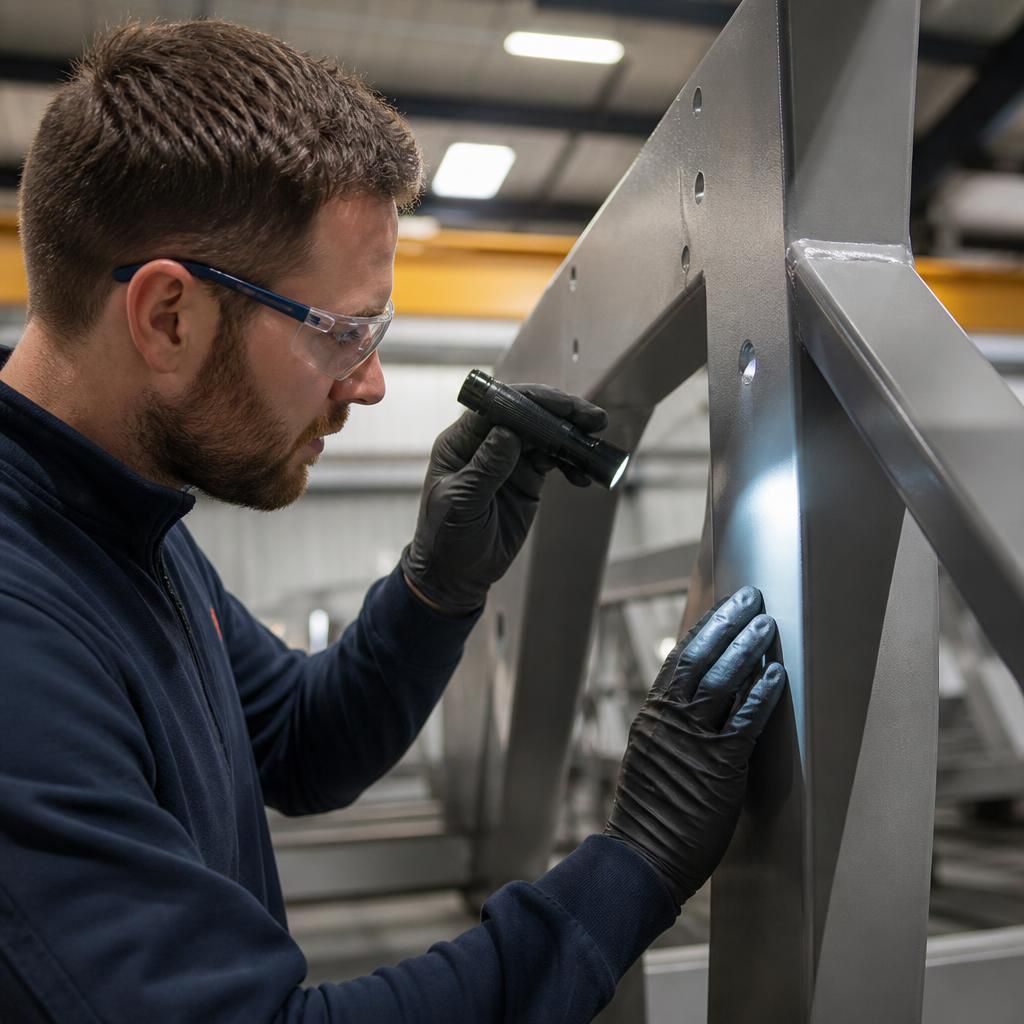
Maintenance should include a controlled return-to-service check after cleaning, inspection or component replacement. Confirm that the coating is fully dry, that no detergent or process residue remains in joints or recesses, and that replacement parts have a coating system suitable for the same temperature and chemical exposure. Mixing incompatible coating systems or installing an unsuitable touch-up layer can create a weak point even when the surrounding finish remains sound.
For components that are dismantled regularly, retain the coating specification with the maintenance documentation and identify approved replacement materials. This gives maintenance personnel a clear basis for checking that repaired, renewed or substituted parts remain suitable for the original industrial duty.