

How do I determine the most effective specialist pretreatment method specific to my industry requirements?
Determine the most effective specialist pretreatment method by assessing the metal substrate, operating environment, required corrosion resistance, component geometry and intended coating system. Match those requirements to a validated process—such as degreasing, abrasive preparation or conversion coating—and confirm its suitability through sample testing before full production.
The most effective specialist pretreatment method is the one selected from the component’s technical specification, service environment, substrate condition and complete coating system—not simply the method most commonly used in a particular industry. The selection should be based on documented requirements, controlled trials and evidence that the finished system is suitable for the component’s intended use.
Start by translating the industry requirement into measurable pretreatment objectives. A component used indoors in a controlled environment may require a different level of surface preparation from one exposed to moisture, road contaminants, chemicals, abrasion or fluctuating temperatures. Construction and automotive parts, for example, can encounter demanding outdoor conditions, while manufactured assemblies may have additional requirements relating to handling, assembly, appearance or compatibility with other materials.
- Define the required coating performance: Establish whether the priority is adhesion, corrosion resistance, chemical resistance, abrasion resistance, appearance or a combination of these properties.
- Review the component specification: Identify any customer, sector or project requirements governing preparation, coating thickness, visual finish, testing or traceability.
- Assess the existing surface: Consider mill scale, rust, oil, grease, fabrication residues, weld contamination, previous coatings and storage-related contamination. These may require different preparation stages rather than one universal treatment.
- Consider the complete coating system: Pretreatment should be compatible with the selected powder coating, curing conditions and any later assembly or finishing operations. A process that performs well in isolation may be unsuitable if it interferes with the wider system.
Industry requirements can also influence the level of process control needed. A repeatable production route should define how parts are cleaned, rinsed, dried and transferred between stages, along with the checks used to confirm that the process remains within specification. This is particularly important for batch work, where inconsistent contamination or handling can produce variation between production runs.
Component design should be considered alongside the industry application. Recesses, joints, threaded areas, folded sections and enclosed features can retain cleaning residues or moisture if the process is not designed around them. Drainage, racking and handling arrangements should therefore be reviewed before selecting the treatment route. Where a component includes mixed metals, inserts or welded areas, the process should also be checked for compatibility across the complete part.
For refurbishment or previously coated items, the decision process is different from that used for new fabricated metal. The condition and adhesion of the existing finish must be established first. Where the old coating is unstable, contaminated or incompatible, applying a new coating over it may not provide a reliable foundation. The appropriate preparation may therefore involve additional removal or surface correction before the new pretreatment sequence is chosen.
Environmental and regulatory considerations can narrow the suitable options. The process should be assessed for chemical handling, wastewater controls, waste management and the practical requirements of the coating facility. These considerations do not replace performance testing, but they help identify methods that can be operated consistently and responsibly at the required production scale.
A practical selection process normally follows these steps:
- Gather the technical information. Record the substrate, component condition, service exposure, required finish, coating specification and any customer testing requirements.
- Identify process risks. Note contamination sources, difficult features, dissimilar materials, transport or storage conditions and any areas that could be difficult to clean or coat.
- Shortlist compatible treatments. Compare the available preparation routes against the required performance and the limitations of the part and production process.
- Run representative trials. Use production-representative parts or test pieces, including difficult features where possible, rather than relying only on a flat sample.
- Inspect and test the result. Review adhesion, visual uniformity and any corrosion or durability tests specified for the application. The results should be recorded and linked to the process conditions used.
- Approve and control the process. Document the accepted sequence, inspection points and response to deviations so that the validated method can be repeated.
Testing should reflect the actual risk rather than relying solely on a generic pass or fail check. For a component exposed to corrosive conditions, the assessment may need to examine how the pretreatment and powder coating perform together at edges, joints and other vulnerable areas. For parts where appearance is critical, inspection should include cleanliness, surface uniformity and defects that could become visible after curing.
It is also important to distinguish between a technically suitable method and a method that is suitable for production. A treatment may produce the required result in a controlled trial but prove difficult to maintain across varied component sizes, changing batch loads or different levels of surface contamination. The final choice should take account of repeatability, inspection, handling and the ability to identify process deviations before non-conforming parts progress further.
For a Midlands manufacturer, fabricator, construction business or automotive supplier, the technical information supplied with the parts is central to the decision. Providing drawings, substrate details, intended service conditions, existing finish information and customer specifications allows the pretreatment route to be assessed against the real application. Where requirements are uncertain, a specialist powder coating provider can help define a trial and identify the evidence needed before the process is adopted for production.
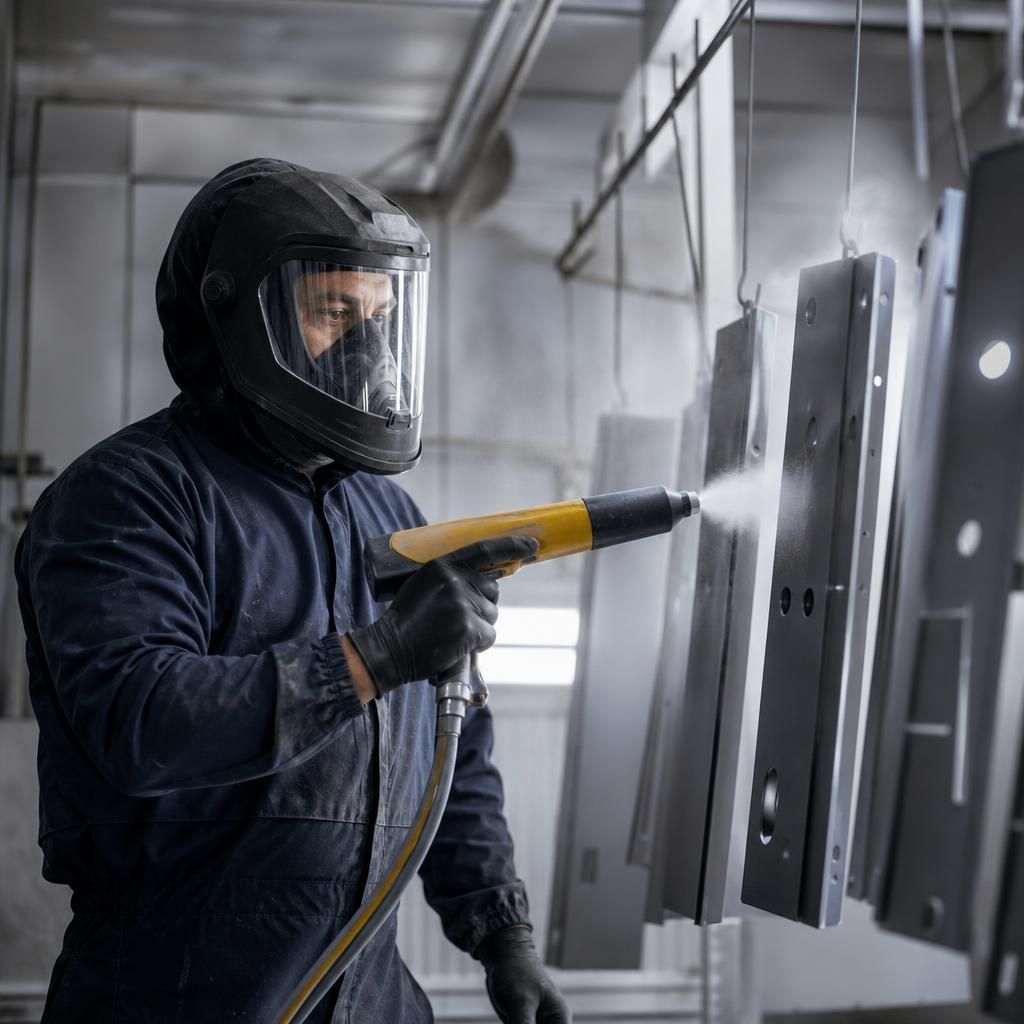
Choose the pretreatment method by identifying how the finished coating is most likely to fail in service. Poor adhesion may point to residual oil, oxide or fabrication contamination, while corrosion beneath an intact-looking film may indicate insufficient preparation at edges, joints or damaged areas. Chemical exposure and abrasion create different risks again, so the treatment should address the expected failure mechanism rather than being selected solely because it is common in that industry.
This approach helps separate essential preparation from unnecessary processing. For example, a part requiring strong adhesion may need thorough removal of contaminants and a controlled surface profile, whereas a component exposed to moisture may require a pretreatment route that supports corrosion protection across vulnerable features. The proposed sequence should therefore be reviewed against the coating system, the component’s most exposed areas and the consequences of failure before it is approved for production.