

How do pretreatment chemicals influence the overall efficiency and cost-effectiveness of the powder coating process?
Pretreatment chemicals improve powder coating efficiency by removing contaminants and conditioning the metal surface so the powder applies consistently and bonds securely. The right chemistry can reduce coating defects, rework and premature failure, making the overall process more cost-effective through better material use and dependable production.
Pretreatment chemicals influence powder coating efficiency and cost-effectiveness by determining how reliably each preparation stage operates, how much labour and energy it consumes, and how much waste it creates. The purchase price of the chemical is only one part of the calculation. Concentration, application method, rinsing requirements, bath maintenance, drying conditions and compatibility with the substrate all affect the total cost of coating metal components.
They affect process efficiency in several connected ways:
- Processing time: A chemical system must provide the required surface preparation within the available contact time. If the reaction is too slow, parts may need longer treatment, additional stages or slower line speeds.
- Bath stability: Consistent chemistry reduces interruptions for adjustment, cleaning or replacement. Poorly controlled baths can accumulate oils, metallic residues and reaction by-products, making their performance less predictable.
- Rinsing and drying: Some systems require more extensive rinsing or drying than others. This affects water consumption, wastewater handling, oven loading and the energy used to remove residual moisture before powder application.
- Handling and labour: A process that is straightforward to monitor and apply can reduce manual intervention. Conversely, complex preparation sequences may require more inspections, chemical testing and part handling.
The choice of chemistry should therefore be assessed against the complete pretreatment line rather than in isolation. A system suitable for a spray line may not be economical for immersion tanks, and a process designed for one metal may require modification when the workload includes steel, galvanised steel or aluminium. Differences in surface condition, geometry and contamination also affect how efficiently the chemistry can be used.
Concentration control is central to cost management. Under-dosing can result in incomplete preparation and inconsistent process conditions, while over-dosing increases chemical consumption without necessarily improving the result. Regular checks of concentration, pH, temperature and contamination levels help operators maintain the intended operating range. The precise control method depends on the chemistry and equipment, but records should show additions, test results, bath changes and any corrective action. This makes abnormal consumption easier to identify.
Water use can be a significant part of pretreatment cost. Rinse stages consume water directly and also generate effluent that may require treatment or controlled disposal. Counter-current rinsing, suitable spray pressure and effective drag-out control can reduce the amount of chemical carried from one stage to the next. These measures can improve bath life and reduce waste, provided they are designed around the specific line and chemical process.
Energy efficiency is also linked to chemical selection. Pretreatment stages may require heated tanks, heated spray solutions or a drying oven. A chemistry that operates effectively at a lower temperature may reduce heating demand, but this should be judged alongside its concentration, dwell time, rinsing and drying requirements. Lower operating temperature alone does not prove that a process has a lower overall cost.
Waste and rework provide another important comparison. When chemistry is poorly matched to the substrate or operating conditions, the resulting process may produce rejected parts, additional stripping, repeat preparation or extra inspection. These costs include labour, powder, energy, transport within the facility and the disruption caused by reprocessing. A properly specified system can make production planning more predictable by reducing variation between batches, although its suitability must be confirmed through controlled trials and process monitoring.
For a meaningful cost comparison, assess each option using the following categories:
- chemical consumption per batch or per unit of treated surface;
- water consumption and the volume and treatment requirements of effluent;
- energy needed for heating, rinsing and drying;
- tank or line capacity, including the space required for additional stages;
- labour for testing, replenishment, cleaning and record keeping;
- frequency of bath maintenance and disposal;
- rate of rejected, reprocessed or delayed components; and
- compatibility with the metals, part sizes and production volumes being handled.
Trial work should reproduce normal production conditions rather than testing only clean, easily treated samples. Include representative substrates, difficult geometries, actual handling methods and the intended powder curing process. Examine the prepared surfaces and finished components, then compare chemical use, cycle time, water use, energy demand and process interruptions. This provides a more reliable basis for selecting a system than comparing supplier prices alone.
In practice, the most cost-effective pretreatment is the one that delivers the required preparation with controllable operating conditions and manageable downstream costs. Chemical price matters, but so do bath life, line capacity, utilities, labour, waste handling and the consequences of process variation. Manufacturers and fabricators should review these factors together when specifying pretreatment chemicals for a powder coating operation.
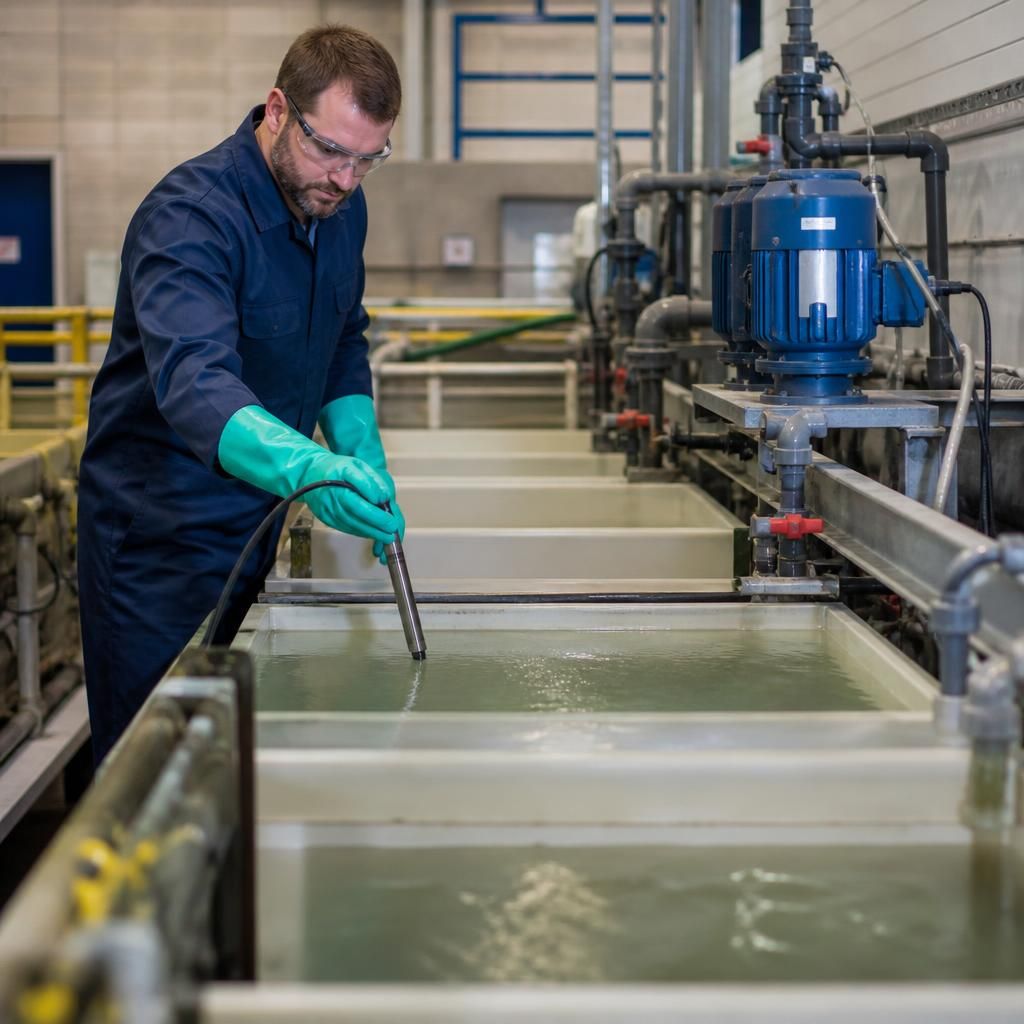
Equipment compatibility is an often-overlooked factor in the cost-effectiveness of pretreatment chemicals. A formulation that is unsuitable for tanks, pumps, spray nozzles, seals or pipework can accelerate corrosion, cause deposits or degrade components, creating maintenance and replacement costs that are not reflected in the chemical’s purchase price.
When comparing systems, check the chemical supplier’s compatibility guidance against the materials used throughout the pretreatment line. Consider the effect of the solution at its intended concentration, temperature and contact time, including during shutdowns or accidental over-concentration. A controlled trial can identify deposits, foaming, leakage or surface attack before the chemistry is introduced across the full process. Selecting a formulation that works with both the metal substrate and the line construction helps protect equipment condition and supports more predictable operating costs.