

How do RAL 2000 powder coatings contribute to the environmental sustainability of your aluminium projects?
RAL 2000 powder coatings can support more sustainable aluminium projects by producing a durable, solvent-free finish with minimal material waste during application. By protecting aluminium against corrosion and wear, the coating can help extend component service life and preserve the material’s recyclability at end of use.
RAL 2000 powder coating can support the environmental sustainability of an aluminium project, but the environmental benefit comes from the complete coating specification and application process rather than from the RAL colour itself. RAL 2000 identifies the colour; sustainability depends on factors such as powder formulation, pre-treatment, coating thickness, curing conditions, overspray control and how the finished component is managed at the end of its use.
Powder coating is applied as a dry material, which allows the applicator to control the quantity deposited on the aluminium surface without using a liquid carrier. Overspray may be collected in a suitably equipped operation, although recovered material is not always suitable for reuse, particularly where colour consistency or contamination is a concern. Careful gun adjustment, correct earthing, appropriate racking and accurate masking can reduce unnecessary powder consumption and limit waste entering the waste stream.
The chosen film thickness also affects resource use. Applying more powder than the specification requires increases material consumption and may cause defects, while insufficient coverage can compromise the intended protection. A suitable specification should therefore consider the component’s geometry, exposure conditions, edge coverage and required finish before production begins. Consistent thickness across a batch supports efficient use of coating material and reduces the risk of avoidable rework.
Pre-treatment is another important part of the environmental assessment. Aluminium may require cleaning, conversion treatment or another approved preparation method to provide a suitable surface for coating. The chemicals, rinse water and sludge associated with this stage need controlled handling and responsible disposal. Selecting a preparation system that matches the aluminium alloy, contamination level and service environment can avoid unnecessary processing while still providing the surface condition required for a reliable finish.
Curing requires heat, so the oven stage should be considered when assessing the project’s overall impact. Efficient loading, correct airflow and a validated cure schedule help prevent repeated heating or rejected batches. Components should not be cured beyond the requirements of the powder manufacturer or the agreed technical specification. For larger or mixed-size parts, production planning can also help make better use of oven capacity and reduce avoidable energy demand, although the appropriate settings must always be confirmed for the specific powder system.
Project planning can improve sustainability before coating starts. Useful measures include:
- grouping compatible components and colours to reduce changeover waste;
- designing racking and hanging points to expose surfaces effectively and minimise masking;
- confirming the required finish and thickness rather than specifying excess coating as a precaution;
- identifying areas that must remain uncoated for assembly, earthing or dimensional reasons; and
- agreeing inspection criteria in advance so that minor cosmetic variation is distinguished from a genuine technical defect.
Transport and packaging should also be included in the assessment. Consolidating collection and delivery of suitable batch quantities, protecting components with reusable or recyclable packaging where practical, and avoiding unnecessary movement between processing stages can reduce associated handling impacts. These decisions depend on component size, production schedule and the distance between the customer and the coating facility.
For a meaningful comparison with wet paint, assess the whole system rather than comparing coating materials in isolation. Consider powder usage, pre-treatment, curing energy, overspray and rejected parts, packaging, transport and any future recoating requirements. A properly specified RAL 2000 powder-coated aluminium system may therefore be a sound sustainability choice when its application is controlled and its technical requirements are matched to the project.
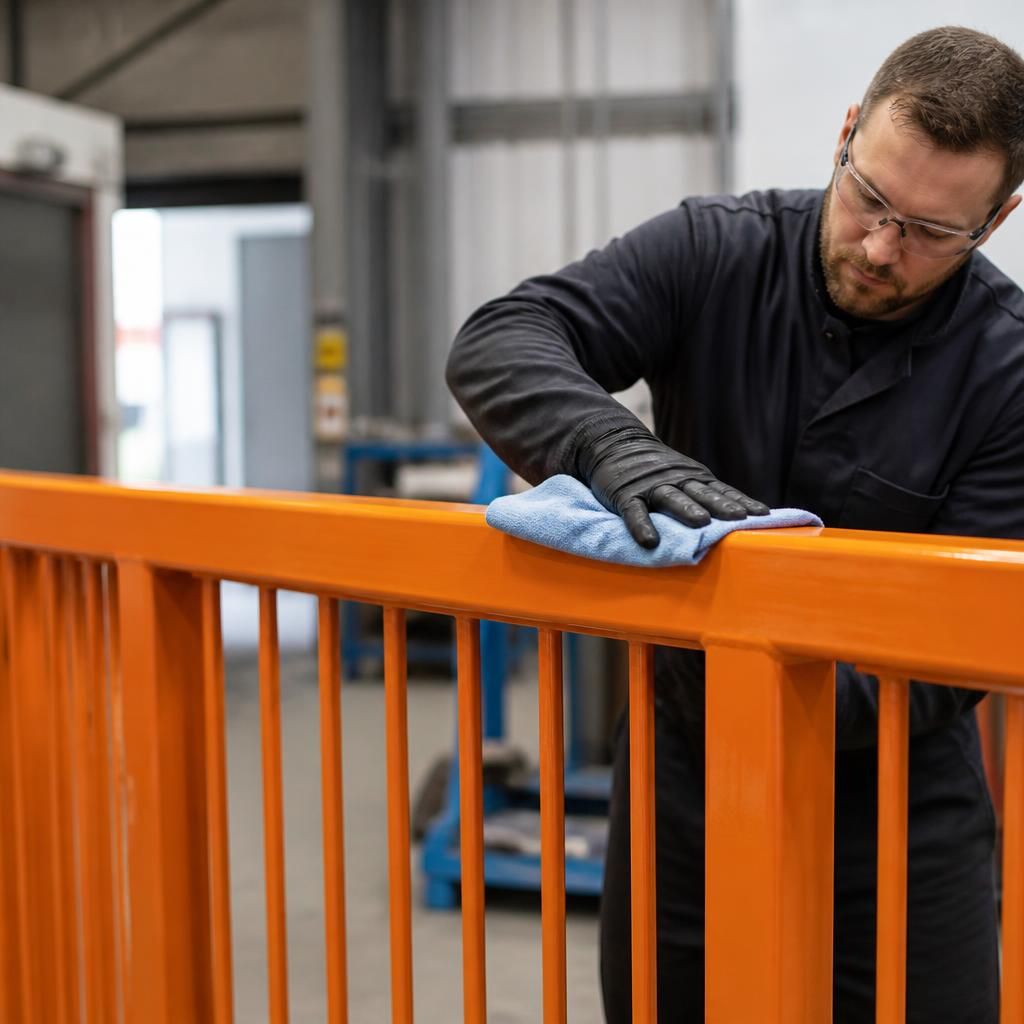
A further sustainability benefit of a RAL 2000 powder-coated aluminium component can come from routine maintenance. When the coating system is correctly specified for its environment, surface cleaning may be achievable with water and a mild, compatible detergent rather than abrasive methods or aggressive chemical treatments. This can reduce the maintenance materials required throughout the component’s service life, provided the coating supplier’s cleaning guidance is followed.
Maintenance planning also helps identify damage before it spreads. Promptly assessing scratches, impact marks or local coating breakdown can prevent a small defect from becoming a wider corrosion or adhesion problem. Any repair method should be checked for compatibility with the original powder coating, particularly where the aluminium is exposed to moisture, industrial contaminants or frequent handling.
Discuss Your Sustainable RAL 2000 Aluminium Coating Requirements
Discuss your aluminium component details and sustainability requirements with the powder-coating specialist to establish a suitable RAL 2000 coating specification. This can include the intended environment, finish requirements and production considerations before processing begins.