

How does the RAL 9007 powder coating process improve the longevity and performance of aluminium components in industrial settings?
RAL 9007 powder coating improves the longevity of aluminium components by forming a tough, continuous barrier against moisture, corrosion, UV exposure and everyday abrasion. When the aluminium is correctly pre-treated and the powder is applied and cured to the required specification, the finished surface retains its protective performance and appearance in demanding industrial environments.
The longevity and performance of RAL 9007 powder-coated aluminium depend on a controlled finishing system rather than the colour alone. Correct substrate preparation, suitable powder selection, even application and full curing create a firmly bonded coating that protects the component while preserving its intended appearance and service function.
1. Preparing the aluminium surface
Aluminium must be clean and chemically prepared before powder is applied. Oils, fabrication residues, dust, oxidation and other contaminants can prevent the coating from bonding properly. A suitable pre-treatment removes these residues and conditions the surface so that the powder film can adhere consistently.
This stage is particularly important where components have been cut, drilled, welded or handled during manufacture. Weld areas, recesses and edges can behave differently from the main face of the component, so preparation needs to reach the complete area that will be coated. Poor preparation can lead to local adhesion failure, blistering or premature breakdown even when the powder itself is suitable.
2. Creating a consistent coating film
Powder coating is applied as a dry powder, commonly using an electrostatic process. The charged particles are attracted to the earthed aluminium component, allowing the operator to build an even film across the surface. Controlled application helps reduce thin areas, runs and excessive build-up that could affect appearance or component fit.
Consistent coverage matters on industrial parts because protection is only as reliable as the weakest coated area. Corners, returns, holes and complex profiles require careful consideration, as they may receive a different powder deposition from broad, exposed faces. Masking may also be used where threads, mating surfaces, electrical contact points or tight tolerances must remain free from coating.
3. Using the correct curing cycle
After application, the component is heated so that the powder melts, flows and chemically cross-links into a continuous solid film. The curing cycle must be suitable for the powder specification and the actual metal temperature reached by the component. Oven air temperature alone does not confirm that the aluminium has been fully cured.
Under-curing can leave the film with inadequate hardness, adhesion or chemical resistance. Excessive heat or an unsuitable cycle can affect colour, gloss and the properties of the coating. Controlled curing therefore supports both long-term protection and the practical performance expected from the finished component.
4. Improving resistance in industrial use
A correctly applied and cured film gives aluminium a more robust surface for handling, installation and routine industrial exposure. It can reduce the effect of contact, rubbing and general wear, helping the component retain a usable finish for longer. The coating also separates the prepared substrate from contaminants that could otherwise contribute to surface deterioration.
Its contribution is not limited to protection. A stable, even finish can make components easier to inspect, identify and maintain visually. Consistent colour and gloss are useful where multiple aluminium parts form one assembly or where finished items must meet a defined appearance requirement.
5. Supporting dimensional and functional requirements
Powder coating adds a film to the component, so the coating specification must be considered alongside tolerances and assembly requirements. Areas such as bearing seats, threaded holes, sliding interfaces and close-fitting joints may need masking or a defined coating allowance. Managing these details helps prevent interference during assembly and preserves the function of the finished part.
Design also influences coating performance. Sharp edges, trapped moisture, inaccessible cavities and poor drainage can make any finish more vulnerable. Where aluminium components are being designed or modified for coating, rounded transitions, accessible surfaces and suitable drainage can help the coating system perform more consistently.
6. Verifying the finished result
Inspection provides evidence that the process has delivered the required finish. Depending on the component and specification, checks may include visual uniformity, colour and gloss, film thickness, adhesion and cure. Attention should also be given to uncoated areas, inclusions, pinholes, edge coverage and damage caused during handling.
For manufacturers and fabricators, agreeing these requirements before production helps match the finish to the component’s environment and use. RAL 9007 identifies the colour, while the powder chemistry, pre-treatment, application method and curing requirements determine much of the coating’s technical performance. A properly specified and controlled process therefore gives aluminium components a durable, consistent finish without treating the colour designation itself as a guarantee of service life.
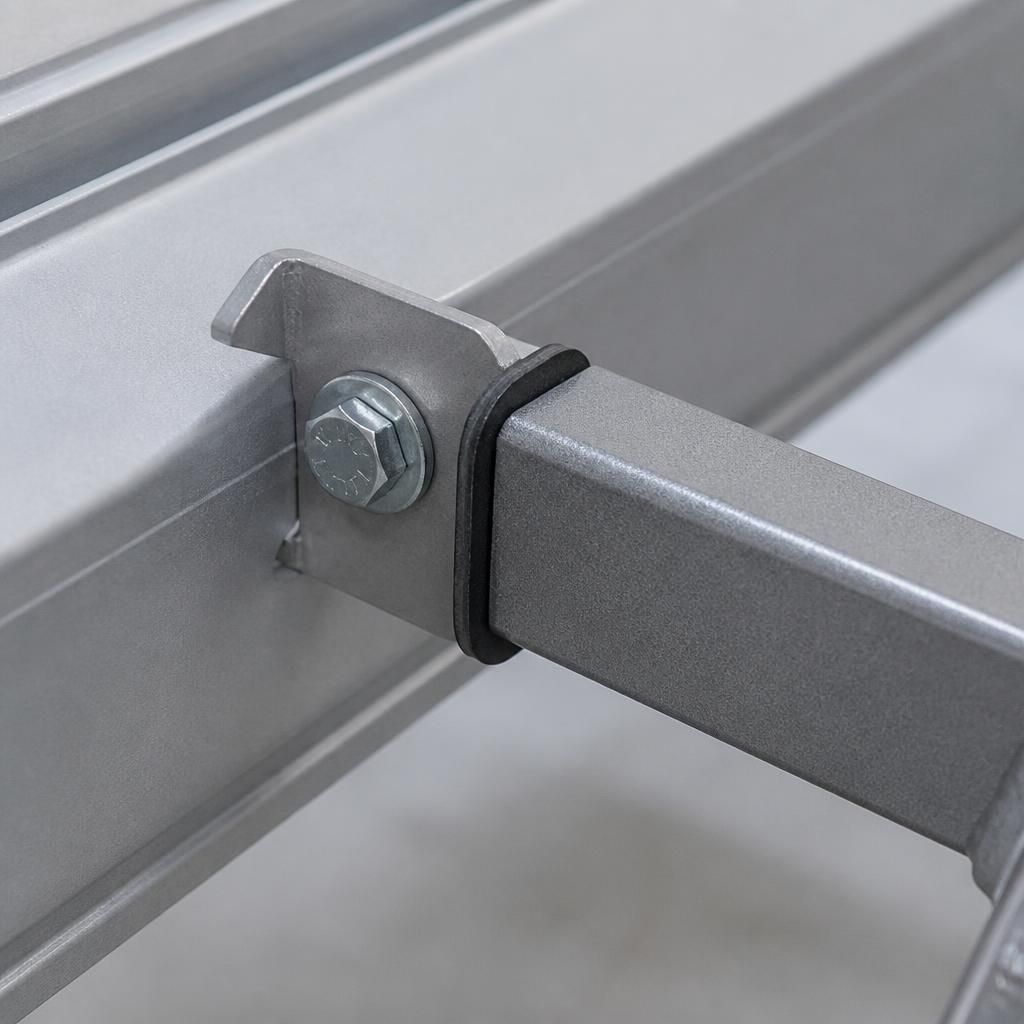
A key factor in the long-term performance of RAL 9007 powder-coated aluminium is how the component interfaces with other metals. Where aluminium contacts a dissimilar metal in the presence of moisture, galvanic corrosion can develop at the joint. An intact powder coating helps separate the aluminium surface from its surroundings, but fixings, scratches, drilled holes and uncoated contact areas can still create vulnerable points.
Industrial designs should therefore consider compatible fasteners and, where appropriate, insulating washers, sealants or other separation methods. Joints should also be arranged to avoid retaining moisture against the coated surface. Protecting these interfaces helps preserve the coating system and reduces the risk that localised damage or metal-to-metal contact will undermine the service performance of the aluminium component.
Discuss Your RAL 9007 Aluminium Coating Requirements
Discuss your RAL 9007 aluminium coating requirements with the team, including component dimensions, operating environment, tolerances and any areas requiring masking. This allows the coating system and finishing process to be considered against the component’s intended use.