

How does the powder coating process enhance the performance and longevity of aluminium products in demanding industrial environments?
Powder coating enhances aluminium by preparing the surface, applying a dry powder electrostatically and curing it into a continuous, firmly bonded finish. This barrier helps protect against corrosion, moisture, abrasion, chemical exposure and UV-related deterioration, helping aluminium components retain their appearance and functional performance in demanding industrial environments.
Powder coating enhances the service life of aluminium products by creating a controlled, adherent finish that works with the metal’s properties rather than relying on the aluminium surface alone. Its performance depends on the complete coating system: suitable surface preparation, compatible pretreatment, correct powder application, thorough curing and inspection. When these stages are properly controlled, the finished component is better equipped to retain its protective and appearance-related properties in industrial use.
Surface preparation and adhesion
Aluminium naturally develops an oxide layer, and components may also carry oils, fabrication residues, marking materials or handling contamination. These can interfere with adhesion if they are not removed. Degreasing and cleaning provide a consistent surface, while an appropriate pretreatment helps the coating bond reliably and reduces the risk of premature lifting, blistering or flaking.
This is particularly important on fabricated products with welds, drilled holes, folded sections and recessed areas. Preparation must account for the whole component rather than only its most visible faces. Sharp edges may require attention because they can receive less coating coverage than broad, flat surfaces, while crevices can retain contaminants if the component is not suitably designed and processed.
A continuous finish for complex components
Powder coating forms a unified film over the prepared aluminium surface. Unlike a finish that may leave variations between separate brush or roller applications, a correctly applied coating can provide consistent coverage across profiles, panels, brackets and other formed parts. The final result is influenced by the component’s geometry, how it is hung, powder distribution and the selected coating specification.
For assemblies or batch-manufactured parts, process consistency is important because variation in film build, colour and cure can affect both appearance and service performance. Parts should therefore be assessed before coating for design features that could affect coverage, drainage, masking, hanging or contact with other components.
Curing and film integrity
The curing stage changes the applied powder into a finished polymer film. It must be matched to the powder system and the component itself. Insufficient curing can leave the film with reduced mechanical properties, while excessive or uneven heat exposure can affect appearance and performance. Aluminium’s heat transfer characteristics and the mass of the component can cause different areas to reach curing conditions at different rates, so process control is essential for substantial or irregularly shaped products.
A properly cured film provides a stable surface with useful resistance to handling and routine industrial contact. It also reduces the likelihood that small defects will develop into larger areas of coating failure during service. Inspection may include checking appearance, coverage, adhesion and any specified film characteristics relevant to the application.
Performance under industrial conditions
In demanding environments, longevity is not determined by the coating alone. The specification should consider the atmosphere, operating temperature, exposure to process materials, expected handling and the consequences of surface damage. Areas exposed to repeated impact or sliding contact may require a different coating approach from aluminium used mainly for architectural appearance.
- Mechanical contact: coating selection and film consistency influence how the surface copes with handling, fitting and ordinary contact during use.
- Process contamination: oils, deposits and cleaning chemicals should be assessed for compatibility with the coating system rather than assumed to be harmless.
- Joints and fixings: interfaces, fasteners and cut edges can become points of weakness if they are not considered during design and preparation.
- Temperature changes: repeated heating and cooling can place stress on the coating and substrate, making correct specification and curing important.
Design and maintenance still matter
Powder coating improves the protective surface of aluminium, but it cannot compensate for poor component design, trapped moisture, unsuitable contact materials or aggressive cleaning practices. Drainage, access for cleaning and avoidance of unnecessary crevices can all support longer service life. Damage should be dealt with according to the coating manufacturer’s repair guidance, particularly where bare metal has been exposed.
For industrial orders, the most useful specification information includes the aluminium alloy or component type, dimensions, intended environment, colour or finish requirements, areas to remain uncoated and any masking or dimensional tolerances. Sharing this information before processing helps determine whether the proposed coating system is suitable and whether preparation or handling arrangements need to be adapted.
Powder coating therefore enhances aluminium longevity through controlled adhesion, consistent film formation and a finish selected for the component’s actual working conditions. The strongest results come from treating coating as part of the product design and quality-control process, rather than as a final decorative layer applied without reference to how the component will be manufactured and used.
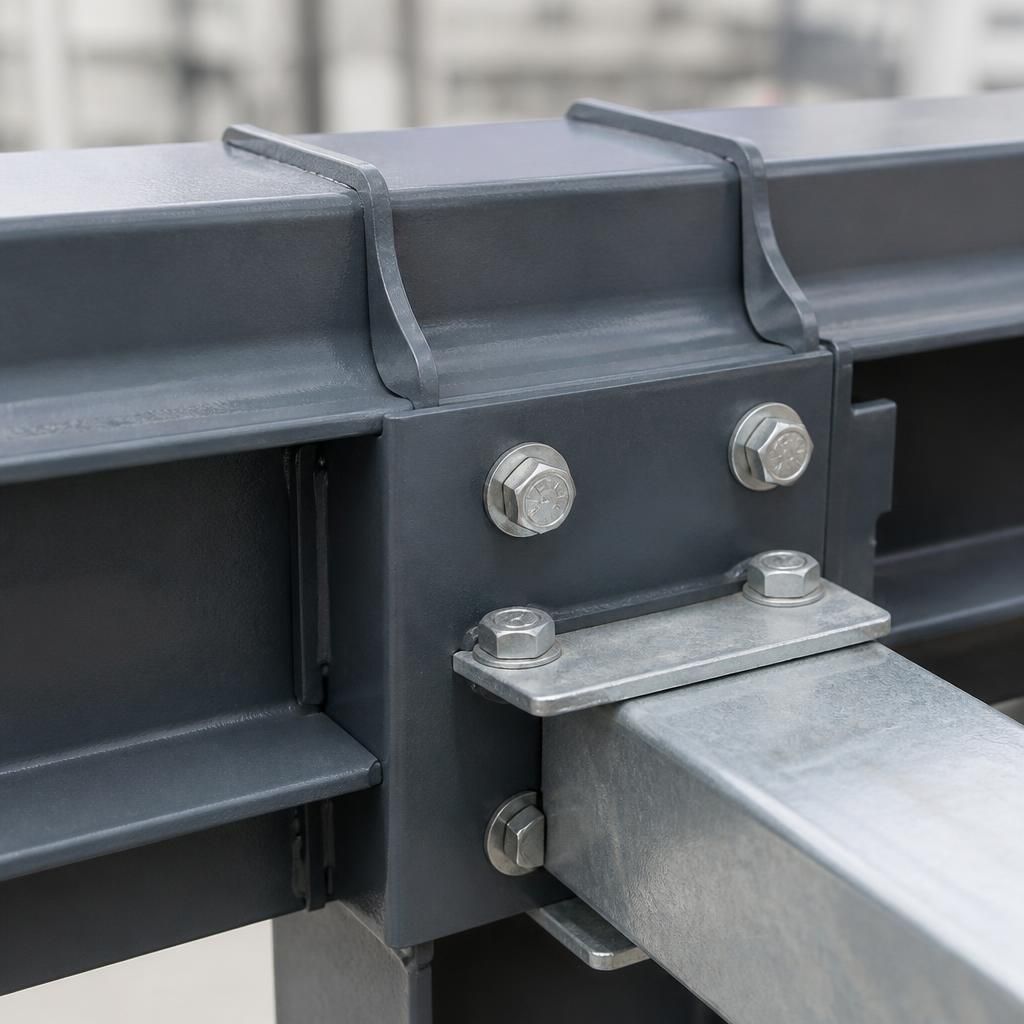
A continuous powder-coated film can help reduce galvanic corrosion where aluminium is assembled near dissimilar metals. By separating the aluminium from conductive moisture and adjacent metal surfaces, the coating limits the electrical contact that can accelerate corrosion at interfaces. This is particularly relevant to industrial assemblies exposed to condensation, wash-down water or contaminated atmospheres.
The protection depends on the assembly being specified as a system. Fasteners, cut edges, drilled holes and areas subject to movement may interrupt the coating and require suitable isolation, sealing or additional protection. Considering these interfaces during design helps prevent localised deterioration from undermining the longer service life of the coated aluminium component.