

How does the 2-coat powder coating process contribute to reducing maintenance and operational costs for industrial equipment?
A 2-coat powder coating process combines a protective primer with a durable topcoat to improve resistance to corrosion, wear and environmental exposure on industrial equipment. By helping the finish last longer and reducing the frequency of repairs, recoating and component replacement, it can lower maintenance requirements, minimise equipment downtime and support more predictable operational costs.
A 2-coat powder coating process reduces the whole-life cost of industrial equipment by adding a planned protective system rather than relying on a single finish to perform every function. The primer and topcoat are selected as a compatible system, allowing the coating specification to address corrosion risk, mechanical wear and the operating environment more effectively. The financial benefit comes from controlling several cost areas at once, including labour, production disruption, component handling and asset replacement.
It can reduce the cost of maintenance work. Industrial coating maintenance involves more than the coating material itself. Labour may be required to isolate equipment, remove guards or components, prepare damaged areas, apply a replacement finish and return the item to service. Where the coating system remains sound for longer, these interventions can be planned less frequently. This reduces the cumulative cost of preparation, application, inspection and reassembly, particularly where access to the coated component is difficult.
It helps protect the underlying value of components. Corrosion and surface degradation can affect dimensions, edges, fixing points and mating surfaces, not just appearance. If deterioration progresses, a business may need to machine, repair or replace the affected part. A correctly specified two-coat system provides an additional barrier between the metal and moisture, chemicals or contaminants, helping preserve the condition of the component. This is particularly relevant for fabricated assemblies and industrial parts that would be expensive or impractical to reproduce.
It supports more predictable maintenance planning. Reactive work can create indirect costs because engineering staff, contractors, lifting equipment and replacement parts may need to be arranged at short notice. A coating that supports planned inspection and maintenance allows work to be coordinated with other servicing activities where appropriate. This does not remove the need for inspection; it makes inspection more useful by identifying local damage before it develops into a wider repair requirement.
- Lower handling costs: fewer unplanned coating interventions can mean less repeated removal, transport, masking and reinstallation of components.
- Reduced production disruption: planned coating work can be scheduled alongside maintenance or fabrication programmes, rather than being triggered by unexpected surface deterioration.
- Less waste from premature replacement: extending the usable service of a metal component can reduce the materials, fabrication time and disposal associated with replacing it.
- More consistent finishing: applying a defined primer and topcoat specification in a controlled process can reduce variation between production batches and make quality checks more straightforward.
The cost advantage also depends on selecting the system for the actual service conditions. A coating intended for indoor equipment may not be appropriate for components exposed to persistent moisture, road contaminants, industrial chemicals, abrasion or elevated temperatures. The substrate, surface preparation, primer compatibility, topcoat characteristics, film thickness and curing requirements all influence the result. Cutting preparation or choosing an unsuitable combination may create adhesion or corrosion problems that increase lifecycle costs rather than reducing them.
Surface preparation is therefore a cost-control measure, not simply a preliminary operation. Removing contamination, corrosion and poorly bonded material gives the coating a suitable foundation. It also helps prevent defects that could require local repair soon after installation. The appropriate preparation method depends on the metal, existing finish, condition of the component and required specification, so these factors should be assessed before work begins.
For batch work, a clear specification can provide additional operational efficiency. Components can be grouped by material, size, colour, coating system or required finish, reducing avoidable changes in the production sequence. Correct drawings, masking instructions and acceptance criteria also reduce the risk of rework. Where collection and delivery are needed, coordinating component movements with the coating programme can help control handling and transport costs.
The process is not automatically the lowest-cost option in every situation. The initial application may cost more than a basic single-coat finish, and some components may require specialist preparation or testing. The relevant comparison is the total cost over the equipment’s intended service period: application, inspection, cleaning, repairs, access, downtime, transport and eventual replacement. For industrial equipment where corrosion protection and coating reliability are important, a properly specified 2-coat system can offer better cost control than repeatedly correcting failures in a less suitable finish.
Powder-coatings.co.uk supports industrial clients by applying powder coating systems to metal components, including large-scale, batch and specialist coating requirements. The appropriate process should be agreed from the component’s material, dimensions, use and exposure conditions, with the coating specification matched to the maintenance and operating demands rather than selected on appearance alone.
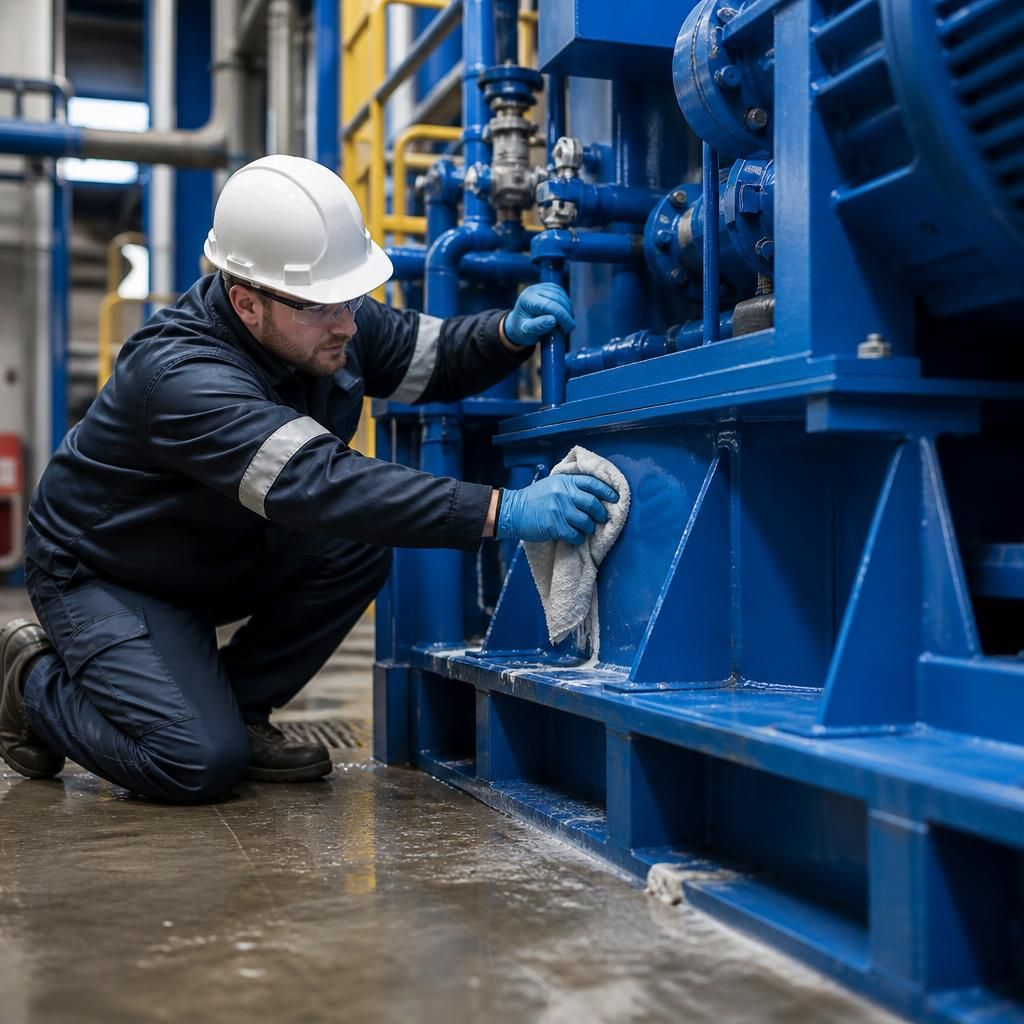
A sound two-coat powder coating system can reduce routine cleaning costs by providing a continuous, durable surface that is less likely to retain contaminants than damaged or deteriorating metal. This can make deposits easier to remove during planned cleaning and reduce the need for aggressive mechanical action or repeated treatment of affected areas.
The benefit depends on the equipment’s environment and the specified finish. Components exposed to oils, dust, moisture or process residues still require an appropriate cleaning regime, and coating damage must be dealt with before contamination reaches the substrate. However, maintaining an intact primer and topcoat can help keep cleaning work more consistent, limiting the labour and disruption associated with heavily soiled or corroded surfaces.
Discuss Your 2-Coat Powder Coating Requirements
Share your component material, dimensions, quantities and operating conditions with Powder-coatings.co.uk to assess whether a 2-coat system is suitable for your equipment. The coating specification can then be considered against expected maintenance demands, handling requirements and service exposure.