

How does Rilsan Nylon 11 coating contribute to reducing maintenance costs for metal components?
Rilsan Nylon 11 coating can reduce maintenance costs by forming a durable barrier that helps protect metal components from corrosion, abrasion, impact and chemical exposure. By limiting surface damage and extending the usable service life of the component, it can reduce the need for frequent repairs, recoating or replacement.
Rilsan Nylon 11 coating contributes to lower maintenance costs by improving the service life and maintainability of metal components. Its value is not limited to the coating application itself: a properly specified and applied finish can reduce the frequency of intervention, simplify routine care and delay the cost of component replacement.
For many industrial components, maintenance expenditure includes more than repair materials. It can also involve labour, access equipment, removal and refitting, transport, production stoppages and the administration associated with sending parts for remedial work. When a coated component remains serviceable for longer, these indirect costs may occur less frequently. The financial benefit is therefore best assessed across the component’s lifecycle rather than by comparing the initial coating price alone.
One important contribution is the separation of the metal substrate from the surrounding operating environment. Nylon 11 forms a continuous polymer layer when the coating has been correctly prepared and applied. This helps limit the conditions that lead to surface deterioration and reduces the likelihood that minor damage will develop into a larger maintenance issue. It can be particularly useful for components exposed to handling, repeated contact or industrial chemicals, provided the selected coating specification is suitable for those conditions.
The coating can also make routine maintenance more straightforward. A sound, relatively non-porous surface is generally easier to clean than a deteriorated or heavily damaged metal surface. Removing accumulated dirt, residues or process deposits at an early stage helps maintenance teams inspect the component and identify genuine defects without carrying out unnecessary abrasive cleaning or more extensive refurbishment.
- Fewer planned interventions: longer intervals between remedial coating work can reduce the number of maintenance activities scheduled for the same component.
- Less unplanned disruption: protecting the surface helps reduce the risk that deterioration will require an unexpected repair or replacement.
- Lower handling costs: components that remain in service for longer may need to be removed, transported and refitted less often.
- Reduced replacement demand: extending the usable life of the metal part can defer the cost of manufacturing or purchasing a replacement.
- Simpler inspection: a maintained coating provides a consistent surface for visual checks and planned condition monitoring.
Cost reduction depends heavily on the application process. Surface preparation, coating thickness, edge coverage, curing and inspection all affect how well the finish performs in service. If contamination is left on the metal, if the coating is applied unevenly or if the part is exposed to conditions beyond the agreed specification, premature remedial work may still be required. Selecting Rilsan Nylon 11 for the actual operating environment is therefore a maintenance decision as well as a materials decision.
Component design and handling should be considered at the same time. Sharp edges, inaccessible areas, threaded features and points of repeated contact may require particular attention during specification and inspection. Preventing avoidable damage during assembly, storage and installation helps preserve the coating and protects the investment in the finished component. Where parts are supplied in batches, consistent preparation and process control also support predictable inspection and maintenance planning.
Rilsan Nylon 11 does not remove the need for maintenance. Coated components should still be inspected at intervals appropriate to their use, cleaned with methods that will not damage the finish and checked after severe impact, chemical exposure or other abnormal events. Early attention to a local defect is normally less disruptive than allowing damage to spread across the component or affect the underlying metal.
For a realistic cost assessment, compare the complete maintenance cycle for an uncoated or conventionally protected part with the cycle for a Rilsan Nylon 11-coated part. Include preparation, application, inspection, cleaning, access, downtime, transport, repair and eventual replacement. This approach shows where the coating may deliver value and helps establish whether its performance characteristics match the component’s operating conditions.
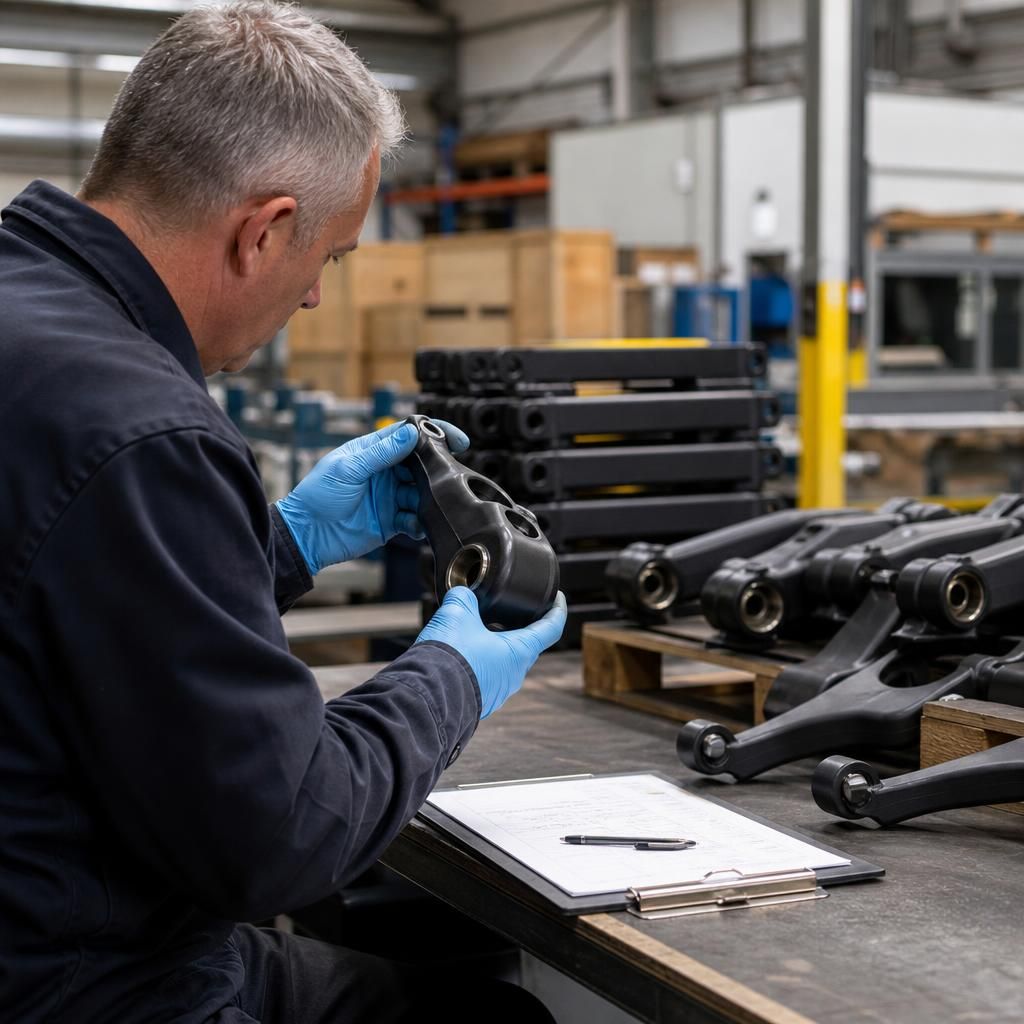
Rilsan Nylon 11 coating can help reduce maintenance costs by providing a consistent baseline for condition monitoring. When the coating specification, coverage requirements and accepted finish are recorded at completion, future inspections can distinguish normal service marks from defects that require action.
This avoids unnecessary remedial work based on uncertain assessments. Maintenance teams can compare the component with its original condition, record where changes have occurred and focus resources on areas showing genuine deterioration. For batch-manufactured parts, consistent inspection records can also help identify recurring handling or installation issues before they lead to wider coating damage.
The approach is most effective when coating records are considered alongside the component’s operating conditions. Information such as the intended exposure, areas subject to repeated contact and any limits on cleaning or chemical exposure gives future maintenance decisions a clearer technical basis. This supports targeted intervention rather than routine work carried out without evidence of need.