

How does polyester powder coating contribute to both the aesthetic and functional longevity of metal components?
Polyester powder coating supports the long-term appearance of metal components by helping retain colour and gloss, while its durable, weather-resistant finish helps protect the substrate from corrosion, abrasion and outdoor exposure. Together, these properties reduce surface deterioration and help components remain serviceable and presentable for longer.
Polyester powder coating contributes to the longevity of metal components by combining a stable decorative finish with a tough, well-bonded protective film. Its value is not limited to making a part look finished: when the coating system is correctly specified, prepared and cured, it helps the component retain its intended appearance while supporting continued use in demanding industrial environments.
Aesthetic longevity depends on more than the initial colour choice. Polyester powders are available in a broad range of colours, gloss levels and surface textures, allowing the finish to suit equipment, architectural metalwork, fabricated assemblies or branded components. A consistent powder layer can give separate parts a visually uniform appearance, which is particularly important where items are produced in batches or assembled alongside existing metalwork.
The finish also helps preserve the visual definition of the component. A sound coating can reduce the impact of minor handling marks, surface contamination and general soiling compared with an uncoated metal surface. Texture selection can be useful where a completely smooth finish would make small imperfections more noticeable, although the choice should reflect the component’s design, cleaning requirements and intended environment.
Functional longevity comes from the coating acting as a continuous barrier between the metal and its surroundings. This reduces direct contact with moisture, salts, pollutants and other contaminants that can contribute to deterioration. The coating can also help the surface withstand routine handling, contact and friction, provided the selected system is appropriate for the level and type of mechanical exposure.
These benefits depend heavily on the condition of the metal before coating. Oil, grease, rust, mill scale, dust and existing surface contamination can interfere with adhesion and leave weak points in the finished film. Suitable preparation removes contaminants and provides a surface to which the powder can bond. The geometry of the component matters as well: recesses, joints, welds, sharp edges and enclosed sections may need particular attention because they can affect cleaning, powder deposition and coverage.
The application process influences both appearance and service life. Powder must be deposited evenly enough to avoid thin areas, excessive build, runs, trapped contamination or visible variation between parts. Consistent grounding, suitable spray technique and controlled handling help produce a more uniform finish. Parts should then be cured according to the requirements of the powder system so that the resin develops the intended film properties. Under-cured powder may have reduced performance, while excessive heat or unsuitable curing conditions can affect the finish or the substrate.
Design and use conditions should be considered before selecting the coating specification. A component exposed externally, handled frequently, installed near industrial contaminants or subjected to cleaning chemicals may need a different polyester formulation, texture or preparation standard from a component used indoors. The expected service environment, substrate, colour, film build, component size and method of installation all affect the appropriate specification.
- Substrate and preparation: the metal type and its pre-treatment must be compatible with the powder system.
- Exposure: external conditions, moisture, pollutants, heat and cleaning agents should be assessed before coating.
- Mechanical demands: impact, abrasion, assembly and repeated handling can influence the required finish.
- Appearance: colour, gloss and texture should be selected with viewing distance, batch consistency and maintenance in mind.
- Component design: edges, recesses, fixings and contact areas should be reviewed for coverage and later damage.
Maintenance also affects the useful life of the finish. Removing dirt and deposits with appropriate cleaning methods helps prevent contamination from remaining on the surface. Abrasive tools and aggressive chemicals can damage the coating, so cleaning procedures should match the specified finish. Any chips or scratches should be assessed and dealt with appropriately, particularly where the underlying metal could otherwise become exposed.
For manufacturers and fabricators, polyester powder coating is therefore part of a complete durability strategy rather than an isolated finishing step. Correct specification, preparation, application, curing, handling and maintenance work together to preserve both the appearance and the functional condition of metal components. Powder-coating specialists serving Midlands businesses can assess component requirements and coating suitability, with collection and delivery options available for suitable projects.
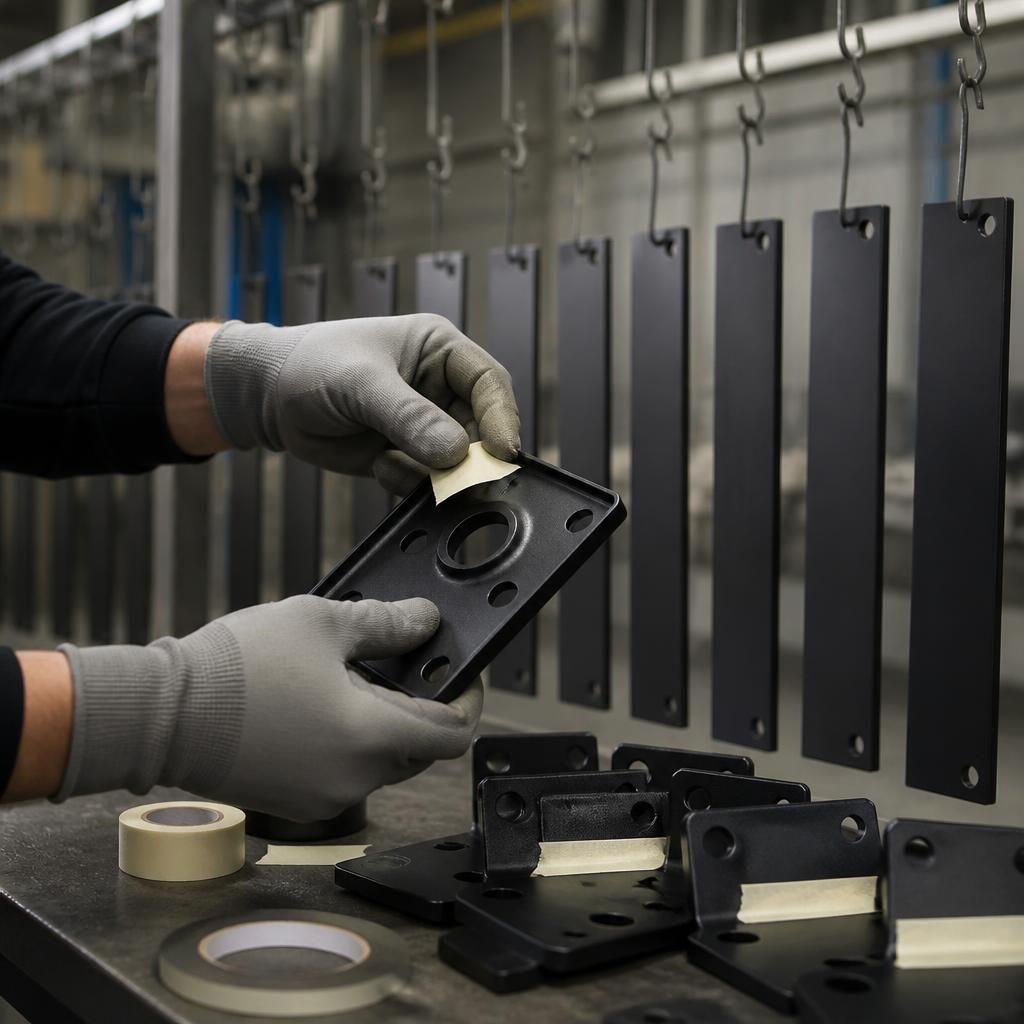
Functional longevity also depends on controlling where the coating is applied. Threads, bearing seats, electrical contact points, mating faces and close-fitting interfaces may need masking before powder application. Preventing unwanted film build in these areas helps preserve accurate assembly, movement and conductivity, reducing the risk that fitting or operating the component damages the coating or affects its function.
This is particularly important for fabricated parts that form part of a larger assembly. The coating specification should account for tolerances, fasteners and areas that must remain accessible after finishing. Treating these interfaces as part of the coating design allows the polyester finish to protect exposed surfaces without compromising the component’s intended fit or operation.