

How does the choice of a textured matte or semi-gloss powder coat finish affect the long-term maintenance requirements of metal components in industrial settings?
A textured matte powder coat can make minor scuffs and surface marks less noticeable, but its uneven profile may hold dirt and require more careful cleaning; a semi-gloss finish is generally easier to wipe clean and inspect, although scratches and handling marks can be more visible. In both cases, long-term maintenance depends on the coating system, surface preparation, service environment and use of suitable, non-abrasive cleaning methods.
Over the service life of an industrial metal component, a textured matte finish usually demands more deliberate cleaning and inspection, while a semi-gloss finish makes routine washing and condition checks simpler. The difference is mainly caused by how each surface retains contamination and reveals wear; it does not, by itself, determine the coating’s overall durability.
For textured matte surfaces, the raised profile can trap dust, oily residues, process deposits and moisture in areas that a cloth or sponge may not reach easily. If these deposits remain, they can discolour the finish, obscure early coating damage and create localised conditions that encourage corrosion where the coating has been breached. Maintenance should therefore include rinsing away loose particles before wiping, using a soft brush where the profile requires it, and checking recesses, edges, joints and fixing points rather than concentrating only on exposed faces.
Semi-gloss coatings generally present a more continuous surface for routine washing. Dirt and grease are easier to identify, and a clean, smooth cloth is less likely to leave residue behind. This can reduce the effort involved in scheduled cleaning, particularly on guards, enclosures, frames and other components with broad accessible surfaces. However, the reflective surface may make fine scratches, polishing marks, scuffs and uneven touch-up areas more apparent, so visual standards may need to be defined before maintenance work begins.
A suitable maintenance procedure for either finish should normally include:
- Removing loose grit and dust with clean water or a gentle rinse before applying any detergent.
- Using a pH-neutral or otherwise coating-compatible cleaning solution, following the product guidance rather than relying on strong chemicals.
- Applying the solution with a soft cloth, sponge or appropriate non-abrasive brush.
- Rinsing thoroughly so that detergent and loosened contaminants do not dry on the coating.
- Drying or allowing the component to drain properly, particularly around overlaps, fasteners, folds and horizontal ledges.
- Recording any change in colour, gloss level, texture, adhesion or corrosion so that deterioration can be compared during later inspections.
Abrasive pads, wire brushes, aggressive solvents, concentrated alkaline cleaners and unapproved pressure-washing practices can alter the appearance of either finish or damage a weakened area. On textured matte coatings, abrasion may flatten the profile and create a noticeably smoother patch. On semi-gloss coatings, it may leave a visible dull area or directional marking. Chemical compatibility is especially important where components are exposed to oils, cutting fluids, road contamination, cleaning agents, acids or alkalis. The operating environment should be considered when establishing the cleaning interval and selecting the cleaning agent.
Inspection should be based on the component’s exposure and function rather than on appearance alone. Areas subject to repeated contact, impact, vibration, abrasion or movement deserve particular attention. Check around handling points, mounting interfaces, sharp edges, weld zones, drainage paths and locations where dissimilar materials meet. A small chip or scratch may require prompt assessment if it exposes the underlying metal or is positioned where water and contaminants can collect. Cosmetic marking on a semi-gloss face may not indicate a loss of protection, whereas apparently minor damage in a concealed or damp location may be more significant.
Where the coating is used outdoors or in a demanding industrial atmosphere, inspections should also look for fading, chalking, loss of adhesion, blistering, rust staining and deposits that do not wash off normally. Ultraviolet exposure, humidity, airborne pollutants and chemical contact can change the appearance of the coating over time. A textured surface can make colour variation or residue less uniform across the component, while a semi-gloss surface can make changes in reflectivity easier to compare. In both cases, cleaning the area before assessment helps distinguish surface contamination from actual coating degradation.
Repairs should be controlled rather than carried out as an informal paint touch-up. The repair method needs to be compatible with the original coating, the substrate and the component’s service conditions. A local repair may differ in texture, sheen or colour even where the protective function is restored, with the contrast often more noticeable on a semi-gloss finish. On a textured matte part, reproducing the original profile can also be difficult. For visible or safety-critical components, the acceptable appearance and repair boundary should be agreed as part of the maintenance specification.
Long-term maintenance is therefore best managed through a written schedule that identifies the cleaning method, prohibited products, inspection points, damage-reporting process and conditions requiring specialist assessment. Components used in clean, low-contact settings may need little more than planned washing and visual checks. Parts exposed to abrasive dust, oils, salts, chemicals or frequent handling need a more controlled regime, regardless of whether the selected finish is matte or semi-gloss.
When specifying the finish for a production component, maintenance should be assessed alongside appearance, exposure, access for cleaning and the consequences of visible marking. The finish selection should also be considered with the complete coating specification, including the intended protective performance and the preparation requirements for the metal substrate. A properly specified and maintained system will generally remain more serviceable than one chosen on sheen or texture alone.
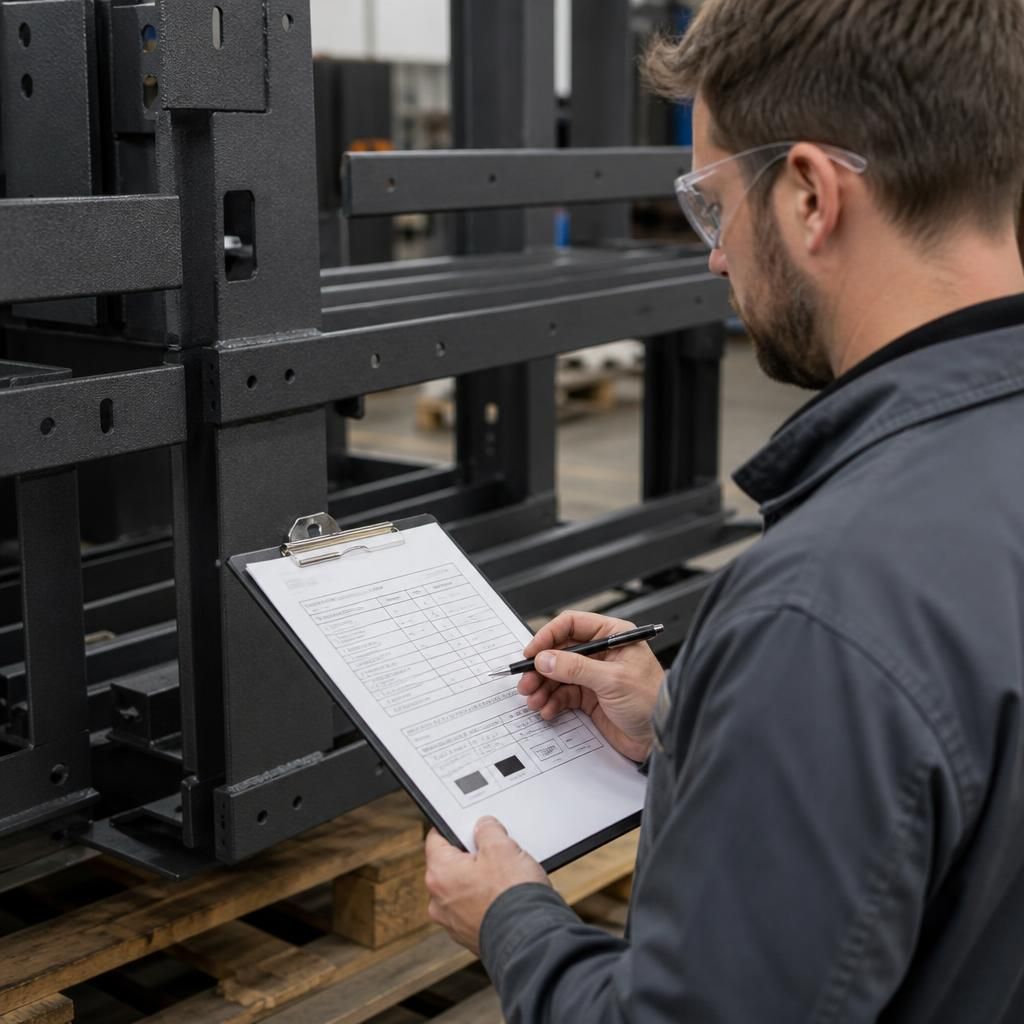
Long-term maintenance is easier to control when the finish is recorded precisely in the component specification. “Matte black” or “semi-gloss” alone may not identify the texture, coating system, substrate preparation or acceptable appearance, which can make later repairs and replacement parts difficult to assess consistently. Keep the original finish description, an approved reference sample or image, and the permitted cleaning methods with the component records.
This information is particularly useful when parts are refurbished or replaced. A nominally similar finish may differ in texture or sheen, so the replacement should be checked against the approved reference before installation rather than judged by colour alone. Accurate records help maintenance teams distinguish a genuine coating change from an expected variation between production batches or repair materials.