

What specific benefits can a matte grey powder coat offer for my metal components in terms of aesthetics and performance?
Matte grey powder coating gives metal components a modern, understated finish with reduced glare and a consistent appearance that suits industrial, architectural and equipment applications. The cured powder layer also provides durable protection against everyday wear and helps maintain the component’s finish during regular use.
A matte grey powder coat combines a low-reflectivity visual finish with the protective properties of a properly specified, cured powder coating system. Its main benefits are controlled appearance, reduced visual distraction and a hard-wearing surface for metal components, provided that the substrate preparation, powder type and curing process are suitable for the intended environment.
From an aesthetic standpoint, matte grey is a versatile choice for equipment, fabricated parts, enclosures, frames and architectural metalwork. Grey sits between black and lighter neutral shades, so it can provide visual definition without making a component appear overly stark. The non-gloss surface reflects light diffusely rather than creating sharp highlights, which is useful where glare could affect the appearance of machinery, fittings or installed metalwork.
A matte finish can also give components a more uniform visual character across a production batch. This is particularly useful where parts are made from several metal sections or where the finished item will be viewed alongside other painted or powder-coated elements. The exact result still depends on the selected powder, application settings, curing conditions and the condition of the metal beneath it. For this reason, a colour reference and finish requirement should be agreed before production rather than relying on a general description such as “grey”.
In performance terms, powder coating forms a cured polymer layer that separates the metal from routine contact and exposure. Depending on the coating system and preparation, this can help the component resist:
- scratching and abrasion caused by normal handling or service contact;
- marking from repeated use, assembly or maintenance;
- moisture reaching the substrate, where the coating remains intact and the metal has been correctly pre-treated;
- surface contamination that could otherwise directly affect uncoated metal; and
- general wear associated with industrial, construction or equipment applications.
Matte grey does not automatically mean that a coating is suitable for every service condition. The required performance should be assessed against the component’s exposure to moisture, chemicals, sunlight, heat, impact and cleaning agents. An outdoor component, for example, may require a powder formulation with appropriate resistance to ultraviolet exposure, while a part used near oils, solvents or aggressive chemicals may need a system selected specifically for that contact.
Surface preparation is equally important. Oil, grease, mill scale, rust and other contaminants can prevent proper adhesion, while sharp edges, weld spatter and poorly finished joints may remain visible through the coating. Cleaning, preparation and any required pre-treatment should therefore be matched to the base metal and the end use. The coating must also be applied and cured within the powder manufacturer’s specified parameters; insufficient or excessive curing can affect the finished film’s properties and appearance.
There are practical points to consider when choosing a matte finish. Its lower sheen can make light surface marks or handling damage less visually prominent than they might be on a high-gloss surface, but textured contamination can be more difficult to remove if the finish is heavily matt or structured. Cleaning methods should be compatible with the coating, avoiding abrasive tools or aggressive chemicals unless their suitability has been established. Areas that experience frequent impact, sliding contact or concentrated abrasion may require a different coating specification regardless of the chosen colour and sheen.
For a reliable specification, define the following before coating:
- the required grey shade and acceptable colour tolerance;
- the desired sheen or texture, rather than specifying colour alone;
- the metal substrate and the condition of its surface;
- indoor or outdoor exposure and any contact with moisture, chemicals or heat;
- areas that will be handled, fastened, masked or left uncoated; and
- the cleaning, inspection and service conditions expected after installation.
Matte grey powder coating is therefore most effective when its appearance and protective requirements are specified together. It can provide a controlled, low-glare finish that suits professional metalwork while giving the component a cured surface designed for its particular operating conditions. For larger, batch or specialist work, discussing the substrate, service environment and required finish before processing helps establish whether matte grey is the appropriate coating choice and how it should be applied.
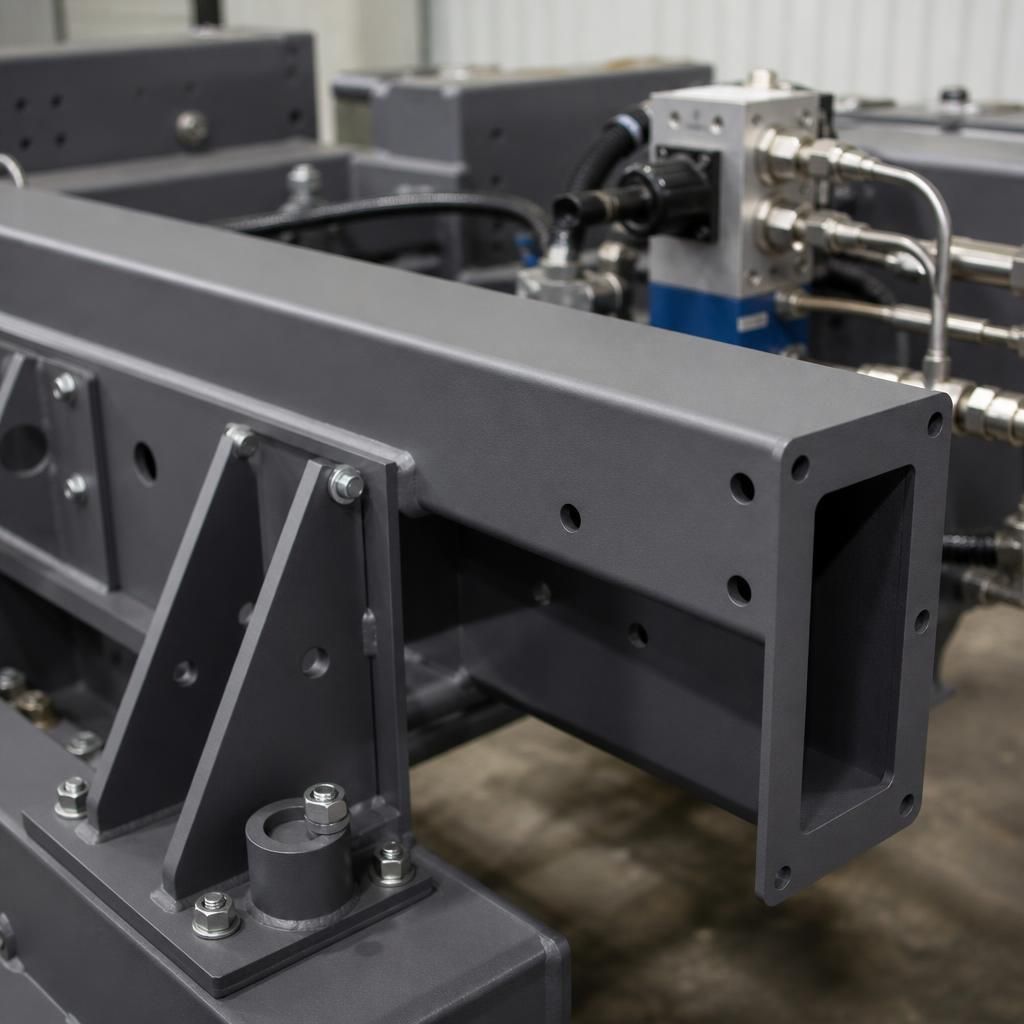
Matte grey can also provide a practical visual balance on assembled equipment. It is sufficiently neutral to sit alongside brighter finishes, stainless steel, black components or painted surroundings without competing with them, helping separate the main structure from controls, fittings and other functional parts. This makes it useful where metalwork needs to look coordinated across an installation while retaining a clear, industrial appearance.
Discuss the Right Matte Grey Powder Coat for Your Components
Discuss your component’s substrate, service environment and required matte grey finish with our powder-coating specialists to establish a suitable specification. We can advise on the coating requirements for individual, batch or specialist metal components.