

What is the most effective way to ensure high gloss and specialty coatings maintain their vibrancy and resilience over time?
The most effective approach is to combine correct substrate preparation, suitable high-gloss or specialty powder selection, controlled application and curing, with routine cleaning and inspection. Using the coating within its intended environment and addressing contamination or damage promptly helps preserve colour vibrancy, gloss and protective performance over time.
The most effective way to preserve the vibrancy, gloss and resilience of a specialist powder coating is to manage the coated component throughout its service life, not simply to clean it after installation. This means matching the coating system to the exposure conditions, controlling handling and storage, using compatible cleaning methods, and checking for early changes in colour, gloss or film condition before they develop into wider deterioration.
Control exposure to the causes of degradation. Ultraviolet radiation can gradually alter the coating binder, producing fading, chalking or loss of gloss. Moisture, airborne pollutants, industrial chemicals, road salt and deposits from nearby processes can also attack or stain the surface. The risk is influenced by the component’s location, orientation, temperature and contact with other materials. A coating specification should therefore record the expected exposure, including outdoor weathering, humidity, chemical contact, abrasion and temperature changes, so that service conditions remain within the coating’s intended performance range.
High-gloss surfaces require particular care because small scratches, dull patches, residue marks and uneven cleaning are more visible than on textured or low-sheen finishes. Components should be protected from unnecessary rubbing, dragging and impact during transport, assembly and installation. Temporary coverings and packaging should not trap moisture or leave adhesive residue against the coating. Where coated parts are stacked, separators can reduce contact damage and prevent metal edges or fixings from marking adjacent surfaces.
Use a coating-specific care procedure. The maintenance method should be based on the coating supplier’s technical guidance rather than on a general metal-cleaning routine. A suitable procedure normally defines:
- the approved cleaning solution and its dilution;
- the type of cloth, sponge or soft brush permitted;
- the maximum contact time for the cleaning solution;
- the method for rinsing and drying without leaving deposits;
- substances that must be excluded, such as abrasive powders, aggressive solvents and strongly alkaline or acidic cleaners; and
- the action to take if staining, loss of gloss or coating damage is found.
Cleaning products should first be assessed on an inconspicuous area where there is any doubt about compatibility. Solvent wiping, abrasive polishing and pressure that can scratch the film may create a permanently dull area even when the original contamination is removed. Specialty finishes, including coatings with unusual texture, protective chemistry or enhanced functional properties, may have more specific restrictions than standard smooth powder coats.
Inspect against an agreed baseline. A newly completed component, retained sample or approved reference panel provides a useful comparison for future checks. Inspection should consider uniformity of colour, gloss, texture, edge coverage, visible contamination, corrosion at damaged areas and signs of chalking or blistering. For projects where appearance is critical, gloss readings and colour measurements can supplement visual assessment. Measurements are most useful when taken using the same method, viewing conditions and equipment over time; otherwise, apparent variation may reflect the inspection process rather than genuine coating change.
Records should identify the component, location, inspection date, observed condition and any cleaning or repair carried out. This creates a service history and helps distinguish gradual weathering from isolated damage caused by impact, chemical spillage or installation work. It also allows recurring sources of contamination to be corrected instead of repeatedly treating the symptom.
Deal with defects according to their cause. A superficial mark may require only an approved cleaning process, whereas exposed metal, corrosion, blistering or loss of adhesion needs technical assessment. Localised repair is not automatically invisible on a high-gloss or strongly coloured surface, because differences in colour, sheen, texture and ageing can remain apparent. The repair specification should therefore identify the original coating type, colour, finish level and preparation requirements before any remedial material is applied. If the damage is extensive or the coating has deteriorated throughout the component, recoating may be more appropriate than repeated spot treatment.
Long-term colour and gloss retention is also improved by controlling the surrounding process. Prevent contact with incompatible sealants, oils, process chemicals and construction residues, and remove accidental contamination using the approved method. Where coated parts are exposed to frequent washing, abrasion or chemical handling, the maintenance plan should be reviewed against the actual operating conditions rather than copied from a less demanding application.
For manufacturers and fabricators, the practical approach is to document the coating requirements before production, retain identification of the applied system, protect finished parts through handling and delivery, and provide the end user with clear care instructions. This links appearance control with traceability and makes it easier to identify whether a change results from environmental exposure, cleaning, handling or a defect in the coating system.
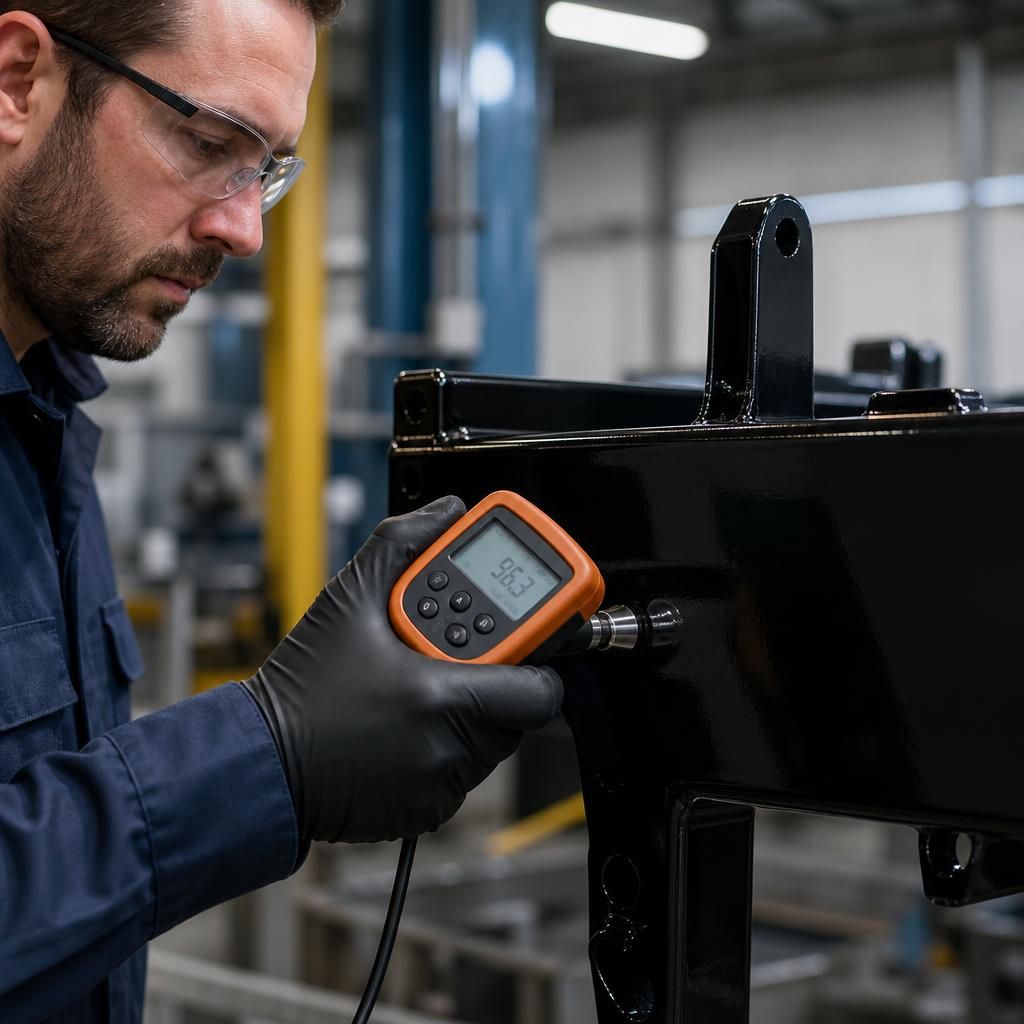
Long-term vibrancy and resilience depend on a correctly applied and fully cured powder coating film. The curing schedule must suit the powder chemistry and be verified against the metal component’s actual temperature, rather than relying only on the oven air temperature. Under-curing can leave the film with reduced hardness, adhesion or chemical resistance, while excessive heat may affect colour or finish.
Consistent film thickness is also important. Thin areas may provide insufficient protection, while excessive build can affect appearance, edge coverage and curing behaviour. For high-gloss and specialty finishes, application records, cure verification and an approved reference panel help confirm that each batch meets the specified colour, gloss and coating requirements before parts enter service.