

What specific preparation steps are necessary to ensure maximum adhesion of the zinc primer powder coat to metal surfaces?
Maximum adhesion of a zinc primer powder coat requires metal surfaces to be free from oil, grease, dirt, rust, mill scale and moisture. Clean and degrease the component, abrasive blast or otherwise prepare the surface to the required profile, remove all residual dust, ensure it is completely dry, and inspect it immediately before coating.
Maximum adhesion depends on controlling the condition of the substrate, the surface profile and the interval between preparation and application. Before work begins, confirm that the metal is suitable for the selected zinc primer powder coat and that the coating specification matches the component’s service environment.
Assess the component before preparation
- Identify the substrate, such as mild steel, carbon steel or a previously coated component. Zinc primer systems are not automatically suitable for every alloy or existing finish, so compatibility should be confirmed from the coating manufacturer’s technical data.
- Check for laminations, deep pitting, embedded scale, sharp edges, weld spatter and fabrication marks. These defects can interrupt the coating film or create weak points that surface cleaning alone will not correct.
- Review the fabrication drawings for areas that must remain uncoated, including threads, bearing faces, electrical contact points, close-fitting joints and drainage holes. Use suitable masking before coating preparation where required.
- Ensure that welds are continuous and properly finished where the design requires it. Porous welds, flux residues and trapped fabrication contaminants can later release beneath the powder film and cause blistering or loss of adhesion.
Correct fabrication-related contamination
Pre-treatment should address more than visible dirt. Remove weld silicates, grinding residues, marking products, adhesive residues and corrosion-treatment chemicals that may interfere with bonding. Where components have been handled with anti-corrosion oils or storage compounds, the cleaning process may need to be repeated or adjusted. Abrasive media, cleaning agents and cloths must themselves be clean; otherwise preparation can transfer contamination back onto the metal.
Edges and corners also require attention. Excessively sharp edges can produce a thinner coating film, while rough burrs may detach and leave unprotected points. Lightly dress unsuitable edges and remove loose burrs without polishing the surface smooth. Internal corners, holes and folded sections should be checked for residues and for areas that the preparation method may not have reached evenly.
Establish a suitable mechanical profile
For steelwork, abrasive blasting is commonly used to create a consistent anchor profile for the primer. The abrasive type, cleanliness, pressure, nozzle distance and operator technique should be selected to produce the profile specified for the powder system. A surface that is too smooth may provide insufficient mechanical key; an excessively coarse or uneven profile can leave peaks with inadequate film coverage and increase powder consumption.
Where blasting is unsuitable, another preparation method may be appropriate, provided it achieves the cleanliness and surface key required by the coating specification. Grinding should not leave polished areas, smeared metal or embedded abrasive. Chemical pre-treatment may be used for some substrates, but its chemistry, rinsing and drying requirements must be compatible with the zinc primer powder coat.
Control the condition between preparation and coating
Prepared metal should be protected from handling and storage conditions that allow condensation or renewed corrosion to form. Avoid touching critical surfaces with bare hands, and use clean gloves or suitable handling equipment. Components should be supported so that prepared areas do not contact dirty racks, floors or other untreated materials.
Temperature and humidity matter because a cold component can fall below the surrounding air’s dew point, allowing a barely visible moisture film to form. The metal should therefore be assessed in the actual application area, not only by looking for visible wetness. If the component develops flash rust, condensation or any new contamination, it should be re-evaluated and re-prepared rather than coated over.
Inspect and document the prepared surface
Inspection should verify more than general appearance. Check the uniformity of the preparation, the condition of welds and edges, the effectiveness of masking, and the absence of residues in recesses. Where the project specification requires it, use appropriate surface-profile and cleanliness checks rather than relying solely on visual assessment.
For repeat production, agree a preparation standard and record the approved process for each component type. A trial part or representative test panel can help confirm that the chosen pre-treatment, profile and zinc primer powder coat are compatible before a full batch is processed. If adhesion is later tested, the method and acceptance criteria should be defined in advance, because test results depend on the coating system, substrate and specification.
Once these controls are in place, the zinc primer powder coat can form a properly keyed base layer for the intended protective system. The final preparation method should always follow the powder manufacturer’s technical data, the project specification and the characteristics of the particular metal component.
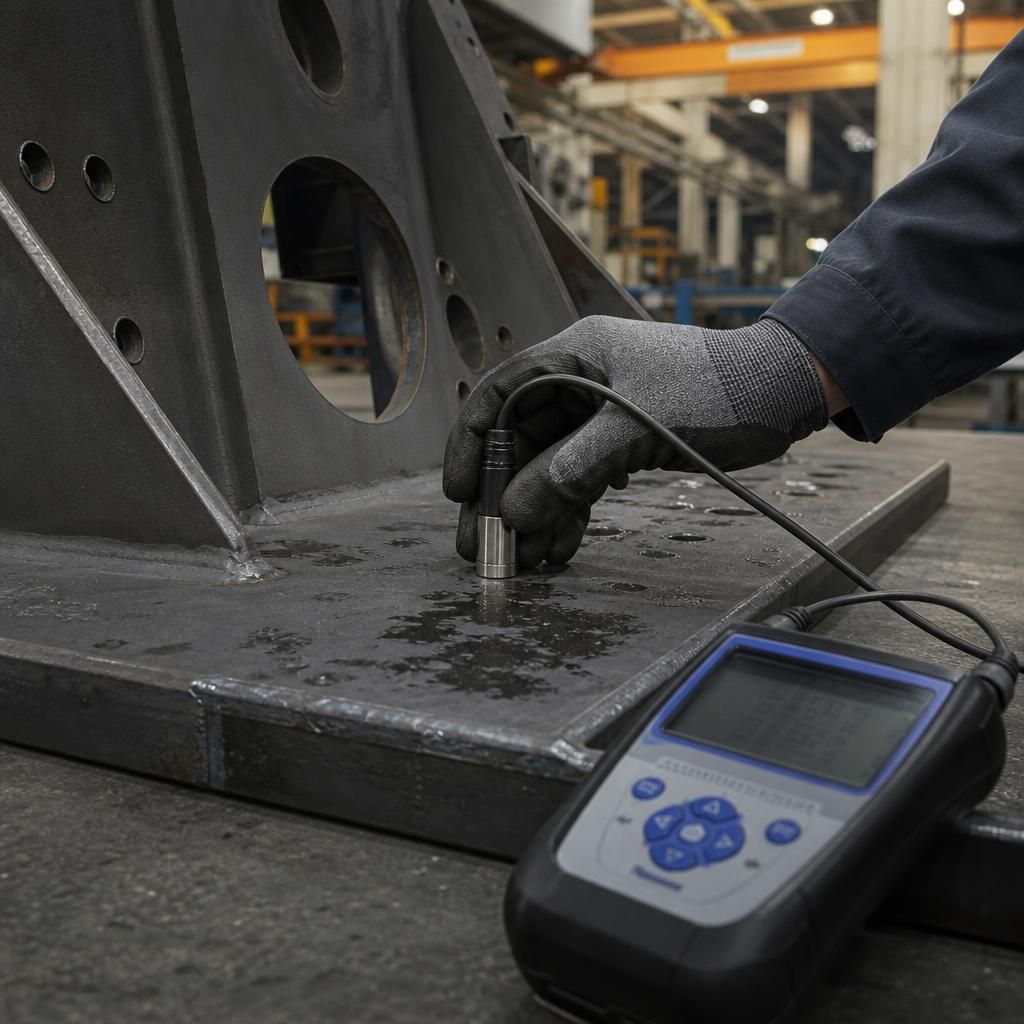
Invisible contamination can undermine adhesion even when the metal appears clean. Before applying the zinc primer powder coat, check for soluble salts left by handling, storage, fabrication or previous exposure. These residues can attract moisture beneath the coating and contribute to blistering or premature loss of adhesion.
Use a suitable site or workshop test where the coating specification requires salt verification, and investigate any failed result before coating. The final blow-down should also use clean, dry compressed air: oil or water from the airline can re-contaminate the prepared surface. Keep the component protected after this final check and avoid unnecessary handling until powder application.
Discuss Your Zinc Primer Surface Preparation Requirements
Discuss your zinc primer surface preparation requirements with our team, including the component material, existing condition and coating specification. We can help identify the preparation considerations that should be addressed before processing.