

What factors should be considered when choosing a nylon coating finish for different environmental conditions?
Choosing a nylon coating finish requires matching the coating’s temperature resistance, chemical compatibility, moisture resistance, abrasion performance and required flexibility to the conditions the metal component will face. The finish, colour and surface texture should also suit the component’s appearance, cleaning requirements, dimensional tolerances and expected service life.
The right nylon coating finish is selected by defining how the component will be exposed, identifying the most likely failure mechanism and confirming that the proposed coating system is compatible with the part, its use and any adjoining materials. Environmental assessment should cover the full service cycle rather than a single condition, because repeated changes between wet, dry, hot, cold, clean and contaminated states can be more demanding than steady exposure.
Begin by separating the environment into exposure zones. A component may have different requirements on its upper surface, underside, joints, recesses and contact points. Consider whether each area will experience direct contact, splash, condensation, trapped moisture, immersion, airborne contaminants or only occasional handling. Drainage and ventilation matter as well: a finish that performs well on an exposed face may be challenged where water, cleaning fluid or process residue remains in a crevice.
The likely failure mode should guide the choice of finish. For some parts, the main concern is coating delamination at an edge or joint. For others, damage from impact, repeated movement, friction at a contact point or the accumulation of dirt in a surface profile may be more important. A finish should therefore be assessed against the way the component is loaded and handled, not just against a general description of the surrounding environment.
- Part geometry: Holes, sharp transitions, internal corners, welds and folded sections can affect how consistently the coating is deposited and how the finished part behaves in service.
- Substrate condition: Mill scale, weld residues, previous coatings, corrosion products and embedded contaminants can prevent reliable adhesion, so the condition of the metal must be established before the finish is specified.
- Joining and assembly: Bolted faces, press fits, threads, bearings, seals and moving interfaces may need masking, clearance or a different treatment to prevent interference.
- Contact with other materials: Rubber, plastics, sealants and dissimilar metals can transfer chemicals, retain moisture or create local pressure on the coating. Their compatibility should be checked as part of the specification.
- Cleaning regime: Identify the detergents, solvents, disinfectants, brushes, pressure washing or abrasive methods used during maintenance. The finish must tolerate the actual cleaning process, including repeated contact with residues.
Environmental exposure should also be considered alongside the component’s maintenance and replacement strategy. A finish on a permanently installed structural item may be assessed differently from one on a removable machine guard or a frequently handled fabricated part. If inspection, touch-up or recoating will be difficult after installation, the specification should place greater emphasis on preparation quality, coverage of vulnerable areas and early verification before the item enters service.
Colour and appearance can have a functional role beyond visual preference. A finish may need to make contamination, damage or corrosion easier to identify during inspection, or it may need to remain consistent across batches and replacement parts. Where visual uniformity is important, define the acceptable appearance under the lighting conditions in which the component will be viewed, rather than relying solely on a colour name.
For demanding applications, selection should be supported by evidence rather than a generic coating description. Useful checks can include sample panels, adhesion assessment, visual inspection of edges and recesses, exposure testing using the relevant fluids, and examination after simulated handling or cleaning. The test method should reproduce the real failure risks as closely as possible; a laboratory result that does not reflect the part’s geometry, assembly or exposure cycle may give limited guidance.
Finally, record the specification in practical terms. It should identify the metal substrate, preparation standard, coating type and colour or appearance requirement, areas requiring masking, critical contact surfaces, expected exposure, cleaning materials and acceptance criteria. Providing drawings, photographs and details of the operating environment helps the coater judge whether the selected nylon finish is suitable and whether any design changes are needed before production.
For manufacturers, fabricators, construction firms and automotive businesses, these details can be reviewed before a batch is processed. Powder-coatings.co.uk provides nylon and other specialist powder coating services for metal components, with collection and delivery options for businesses across the Midlands and surrounding areas.
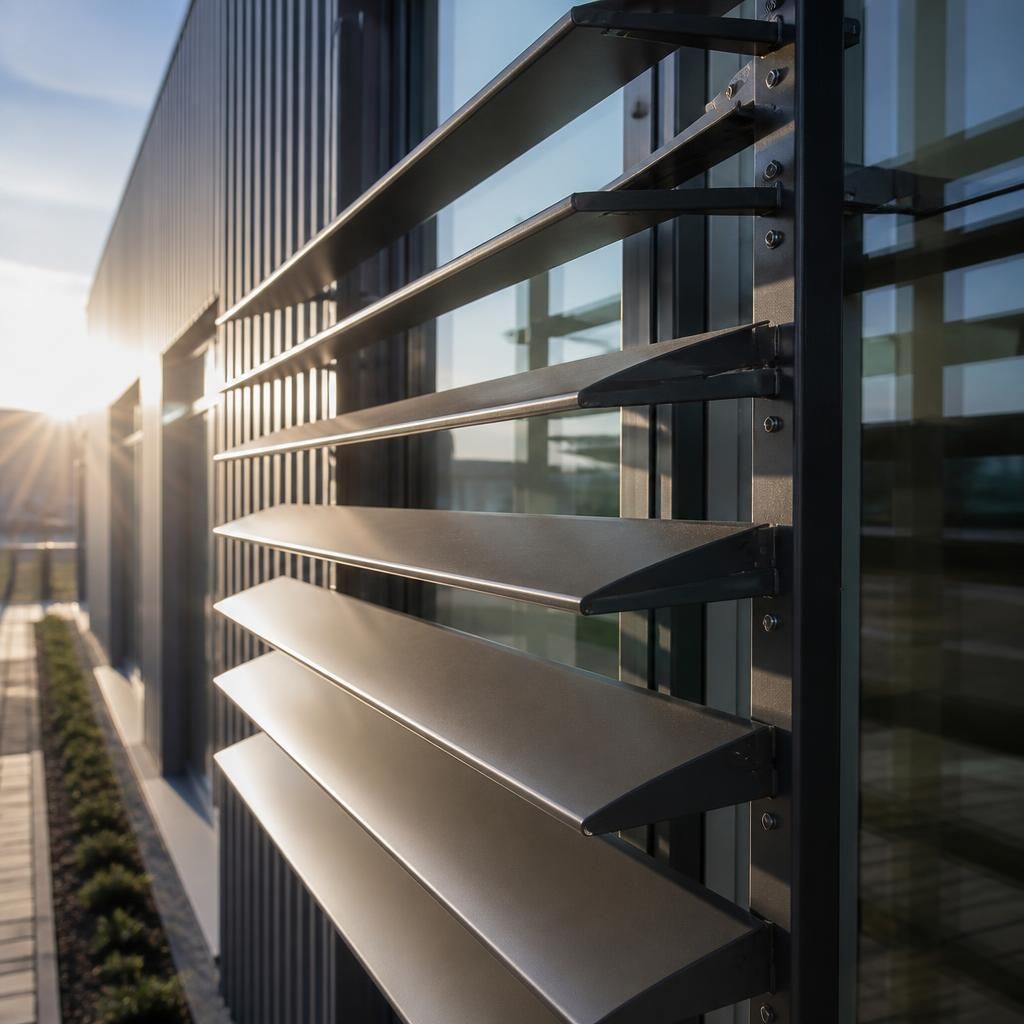
Ultraviolet exposure should be considered separately from moisture and general outdoor use when selecting a nylon coating finish. Direct sunlight can affect the coating’s colour and surface appearance over time, particularly on components installed outdoors or near windows, skylights and other sources of strong daylight. A sheltered part may therefore require a different appearance specification from an exposed part, even when both face similar levels of physical wear.
Specify whether colour stability, gloss retention or a consistent visual finish is important throughout the component’s service life. Where the part will be exposed to sustained sunlight, request evidence that the proposed nylon coating system is suitable for the expected exposure and assess a representative sample under relevant conditions. This helps distinguish a finish chosen for its initial appearance from one selected to retain an acceptable appearance in its intended environment.
Discuss Your Nylon Coating Finish Requirements
Discuss your nylon coating finish requirements with Powder-coatings.co.uk, providing the component’s intended environment, substrate and critical performance needs for review. This helps establish whether the proposed finish is suitable before processing.