

What are the key benefits of using a zinc powder coat primer over mill scale for my industrial application?
A zinc powder coat primer over mill scale can improve corrosion protection by providing a zinc-rich barrier beneath the finishing coat, while helping establish a suitable base for the coating system. Its value depends on effective removal or preparation of unstable mill scale and correct application, as sound adhesion cannot be achieved by the primer alone.
The principal benefit of a zinc powder coat primer over mill scale is that it can provide sacrificial, or cathodic, protection as part of a correctly designed coating system. Zinc is more chemically active than steel, so it can preferentially corrode when the coating is locally damaged, helping to protect exposed steel beneath the surrounding finish. This is different from relying solely on an inert barrier coating.
For industrial components, the main benefits include:
- Additional protection at coating damage: Minor scratches, chips or exposed edges may be less likely to develop into rapidly spreading corrosion when sufficient zinc is electrically connected to the steel. The primer does not make the surface immune to rust, but it can slow the consequences of local coating failure.
- Reduced underfilm corrosion: A suitable zinc-rich layer can help limit the movement of corrosion beneath the surrounding coating. This is particularly relevant where components may experience handling damage, abrasion or intermittent exposure to moisture.
- Improved performance of a duplex system: Used beneath a compatible powder topcoat, the zinc primer and finishing layer perform different functions. The primer contributes sacrificial protection, while the topcoat supplies the main barrier against moisture, chemicals, weathering and physical wear. The combined system is generally more robust than treating the decorative or protective topcoat as the only line of defence.
- Better retention of the finished coating after local damage: A sound zinc layer can help preserve protection around a damaged area, provided the damage has not removed the primer over a large section and the zinc remains properly bonded to the steel.
- Adaptability to demanding metalwork: Zinc primer systems can be considered for fabricated components, structural parts, plant equipment and other steelwork where the consequences of corrosion are more significant than appearance alone. The correct product still depends on the expected exposure, operating temperature, chemical contact and required finish.
- Potentially simpler future repair strategy: If local damage occurs, the zinc primer gives the maintenance team a protective layer to work around rather than leaving bare steel immediately beneath the topcoat. Any repair must still involve cleaning, removal of loose material and use of a compatible repair coating.
Mill scale makes the decision more complex than coating clean, prepared steel. It is a hard oxide layer formed during hot manufacture, but it may contain cracks, loosely attached areas, oil, moisture or contamination. A zinc primer cannot turn unstable scale into a reliable substrate. If the scale separates from the steel, the primer and topcoat can detach with it, regardless of the zinc content.
For that reason, the benefit of zinc powder primer is greatest when the surface condition has been assessed before coating. Firmly adherent scale may be treated differently from cracked or flaking scale, but the preparation method must produce a consistent, suitably keyed surface. Abrasive preparation is commonly selected where the specification requires removal of loose scale and contaminants, although the required degree of preparation should be agreed against the exposure class and coating system.
Correct film formation is also important. Zinc-rich powders contain a high proportion of zinc, so their application, curing and overcoating characteristics can differ from those of standard powder primers. The specified film thickness, cure schedule, recoat interval and topcoat compatibility should be followed. Excessive thickness, incomplete curing or unsuitable overcoating can create defects such as poor intercoat adhesion, pinholing or surface irregularity.
There are also practical limitations. Zinc powder primer is not a substitute for removing loose mill scale, correcting weld contamination or designing adequate drainage. It may not be appropriate where the zinc could react adversely with the service environment or where the required finish is incompatible with the primer. Edges, recesses, welds, drilled holes and areas difficult to coat need particular attention because uneven coverage can weaken the overall system.
In summary, a zinc powder coat primer can add sacrificial protection, limit the development of corrosion from local damage and support a more durable duplex coating arrangement over suitable steelwork. Its benefits depend on the condition of the mill scale, the preparation standard, electrical continuity with the steel, correct curing and compatibility with the finishing coat. The coating specification should therefore be based on the component’s exposure and service requirements rather than on the presence of mill scale alone.
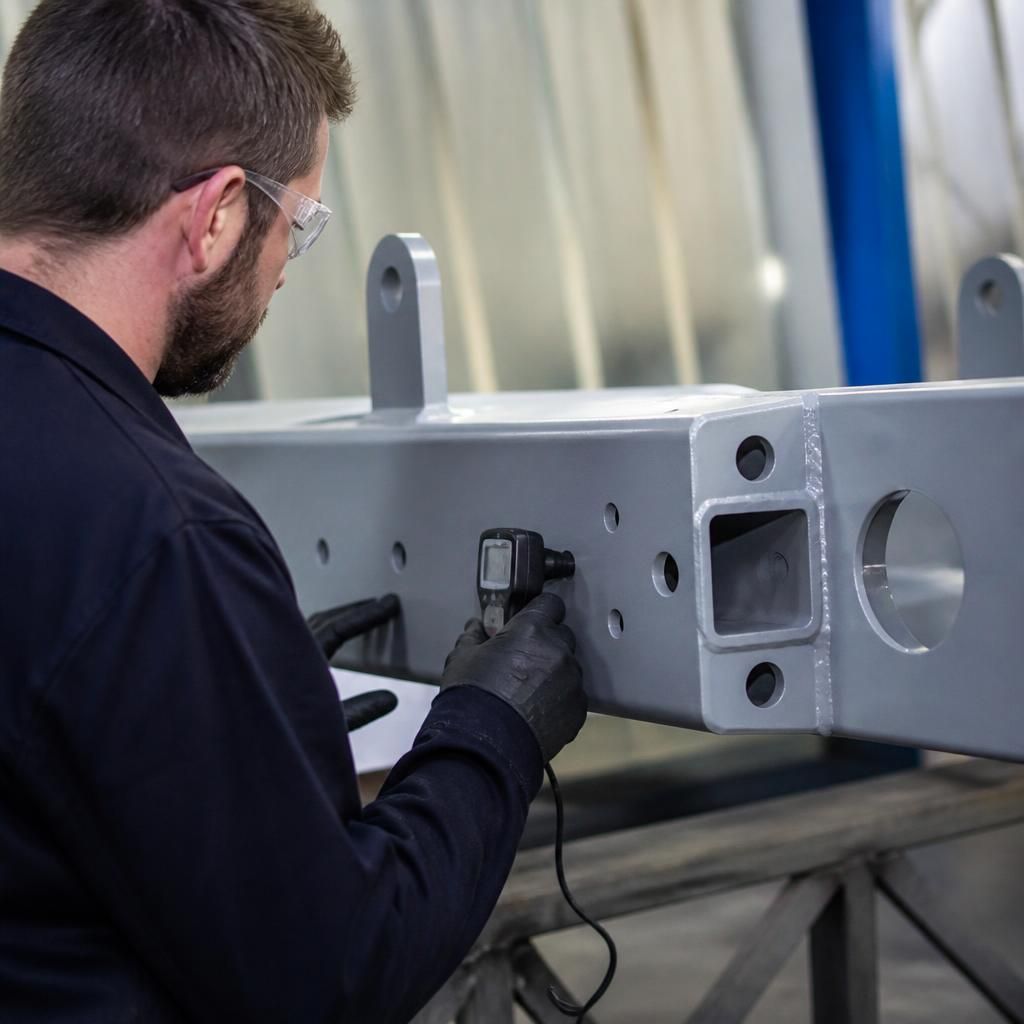
A zinc powder coat primer can provide a defined intermediate layer that allows the coating system to be checked before the finishing coat is applied. This gives greater control over coverage, film formation and visible defects than applying a single finish directly over a variable mill-scale surface.
That staged approach can be useful for industrial components with complex geometry or specification requirements. The primer stage provides an opportunity to identify incomplete coverage, surface irregularities or coating defects before they are concealed by the topcoat. Any shortcomings can then be addressed in accordance with the agreed coating procedure, rather than being discovered only after the complete system has been applied.
This quality-control benefit does not remove the need to assess the mill scale or follow the product specification. It is most valuable when the primer and topcoat are treated as one controlled system, with inspection points defined for the prepared steel, the zinc layer and the completed finish.
Assess Your Zinc Primer and Mill Scale Coating Requirements
Discuss your component’s mill scale condition, service environment and required coating system with the powder-coating.co.uk team to establish whether a zinc powder coat primer is suitable. Providing details of the part geometry and intended use will help inform the preparation and specification requirements.